
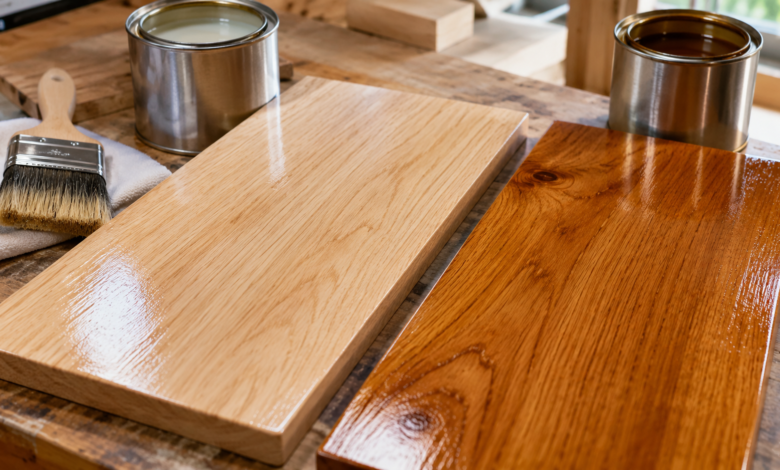
Polyurethane vs Polycrylic: Key Differences and Best Uses
Choosing a protective finish can make a significant difference to the appearance and lifespan of wooden furniture, cabinets and other household surfaces. When comparing polyurethane vs polycrylic, the main considerations are durability, colour, drying time, moisture resistance and the type of surface being protected. Both finishes can help guard wood against everyday wear, but they are not interchangeable in every situation.
Polyurethane is generally the stronger starting point for surfaces that need substantial wear resistance, while polycrylic is particularly useful for interior projects where a clear, low-odour finish is desirable. However, the performance of a specific product depends on its formulation and intended use. Water-based polyurethane, for example, offers a different balance of appearance, drying time and durability from traditional oil-based polyurethane.
This guide explains their differences, where each finish works best, and how to choose a suitable product for your home.
Polyurethane vs Polycrylic: What Is the Difference?
Polyurethane is a protective coating available in water-based and oil-based formulations. It forms a durable film over wood, helping protect the surface from scratches, spills and routine wear. Depending on the product, it can be suitable for furniture, cabinets, doors, worktops or wooden floors.
Polycrylic is a water-based protective finish commonly associated with clear coatings for interior woodwork and furniture. Minwax Polycrylic, for example, is designed for interior surfaces and is valued for its clear appearance, quick drying and straightforward water-based clean-up.
Sherwin-Williams+1
The important distinction in polyurethane vs polycrylic is that polyurethane describes a broader family of coatings, whereas polycrylic usually refers to a particular type of water-based protective finish.
| Feature | Polyurethane | Polycrylic |
|---|---|---|
| Formulation | Water-based or oil-based | Typically water-based |
| Appearance | Clear or amber, depending on formula | Usually clear |
| Drying time | Varies; oil-based is generally slower | Often fast-drying |
| Durability | Many formulations suit demanding surfaces | Commonly suited to lighter-duty interior applications |
| Odour | Usually stronger with solvent-based products | Generally lower odour |
| Clean-up | Water or appropriate solvent, depending on formula | Usually soap and water |
| Typical uses | Furniture, floors, doors and woodwork | Interior furniture, cabinets and decorative woodwork |
These are general comparisons, not guarantees for every product. Always check the manufacturer’s technical data sheet before buying.
Which Finish Is More Durable?
When deciding between polyurethane vs polycrylic, durability matters most if the finished surface will experience frequent handling, abrasion or spills.
Polyurethane is often the preferred choice for surfaces exposed to regular wear. Appropriate floor-grade polyurethane products can protect wooden flooring, while suitable furniture finishes can provide resistance to everyday scuffs and moisture. Oil-based formulations are often selected for their robust protective properties, although water-based polyurethane can also offer excellent durability.
Polycrylic can provide useful protection against scratches, scuffs and minor spills on interior furniture and woodwork. However, a general-purpose polycrylic product should not automatically be considered suitable for floors, outdoor furniture or surfaces exposed to prolonged moisture.
Which Finish Works Best for Wooden Floors?
For wooden floors, choose a coating specifically labelled for flooring. Floor finishes must withstand repeated foot traffic, abrasion, cleaning and movement in the wood.
A suitable water-based or oil-based polyurethane floor coating may be more appropriate than a general-purpose polycrylic finish. Check the permitted substrate, preparation requirements, number of coats and curing time before starting the project.
For cabinets, bookcases and decorative furniture, polycrylic may be entirely adequate if the manufacturer approves it for the intended use.
For more insights, read our previous article:
[Roof Mold Cleaning Cost: What Homeowners Should Expect in 2026]
Appearance: Clear Finish vs Amber Colour
The colour of the finished wood is another important difference in polyurethane vs polycrylic.
Polycrylic is generally a good choice when you want to preserve a light or painted surface without adding much colour. A clear water-based product can be particularly suitable for white-painted cabinets, pale timber, ash, maple and birch.
Oil-based polyurethane commonly adds a warm amber tone that may deepen as the coating ages. This can complement darker timber or traditional furniture, but it may alter the appearance of white paint and pale wood.
Water-based polyurethane is generally clearer than traditional oil-based polyurethane, although the exact result depends on the formulation.
Can You Use Either Finish Over Paint?
Both types may be suitable over certain painted surfaces, provided the product label explicitly permits the application and the paint has cured sufficiently.
For a white-painted bookcase or decorative cabinet, a clear polycrylic finish can help maintain the original colour. On a frequently used painted tabletop, a suitable water-based polyurethane may be preferable if its technical specifications offer the required resistance.
Always test the coating on a small, inconspicuous area first. Some finishes can change the sheen, highlight brush marks or interact poorly with an underlying coating.
Drying Time and Ease of Application
Drying time can influence how quickly you complete a home improvement project.
Polycrylic products often dry quickly and permit recoating after a relatively short interval. Minwax, for example, lists a two-hour recoat interval for its Polycrylic Protective Finish under the product’s specified conditions. Actual performance depends on the product instructions and environmental conditions.
Sherwin-Williams+1
Oil-based polyurethane typically takes longer to dry between coats. Water-based polyurethane often dries faster, making it a useful alternative when you need a durable finish without the longer waiting periods associated with some solvent-based products.
When applying either finish:
-
Prepare the surface according to the product instructions.
-
Remove dust, grease and other contaminants.
-
Apply thin, even coats rather than trying to achieve full protection in one thick layer.
-
Observe the specified recoat intervals.
-
Allow the coating to cure fully before placing heavy objects on it or exposing it to regular use.
Fast drying does not mean immediate readiness for use. A coating may feel dry to the touch while still needing additional time to develop its full performance.
Water Resistance and Moisture Protection
Neither finish should be treated as completely waterproof in every circumstance.
Polyurethane coatings can provide useful resistance to everyday moisture, but performance varies with the formulation, film thickness, surface preparation and condition of the coating. Polycrylic also helps protect suitable interior surfaces against routine spills, but it is not automatically appropriate for prolonged water exposure.
For bathroom furniture, kitchen cabinets and other moisture-prone areas, check whether the specific finish is recommended for that environment. Pay attention to joints, edges and end grain, where water can penetrate if the coating is incomplete or damaged.
For exterior timber, select a finish explicitly designed for outdoor exposure. Sunlight, rain, temperature changes and repeated wetting can cause unsuitable interior coatings to deteriorate.
Cost, Clean-Up and Safety
The price difference between polyurethane and polycrylic depends on the brand, container size, formulation and intended application. Compare the total project cost rather than the tin price alone, including coverage, the number of coats required and the tools needed.
Polycrylic generally offers convenient clean-up with soap and water while the coating is still wet. Water-based polyurethane usually has similar clean-up advantages. Oil-based polyurethane typically requires the cleaning method specified by its manufacturer, often an appropriate solvent.
Which Finish Has the Lower Odour?
Water-based polyurethane and polycrylic generally have less noticeable odour than traditional oil-based polyurethane. However, low odour does not mean a product is harmless or that ventilation is unnecessary.
For safe application:
-
Follow the product label and safety data sheet.
-
Maintain suitable ventilation during application and drying.
-
Wear the recommended protective equipment.
-
Keep coatings away from ignition sources where required.
-
Store products securely and dispose of residues according to local guidance.
Do not assume every water-based coating is non-toxic or suitable for use in an occupied room. Check the specific product’s safety information.
How to Choose the Right Finish for Your Project
The best choice depends on the surface, the desired appearance and the level of protection required.
| Project | Suitable starting point | Main consideration |
|---|---|---|
| White-painted cabinet | Clear polycrylic | Preserving the paint colour |
| Decorative bookcase | Polycrylic or water-based polyurethane | Appearance and everyday wear |
| Frequently used wooden table | Suitable polyurethane | Abrasion and spill resistance |
| Wooden floor | Floor-grade polyurethane or another approved floor finish | Foot traffic and durability |
| Outdoor wooden furniture | Exterior-rated protective finish | Rain, sunlight and weather exposure |
| Pale timber furniture | Clear water-based finish | Minimising colour change |
When comparing polyurethane vs polycrylic for a specific project, read the product label rather than relying on the finish name alone. Formulations differ, and a product designed for interior trim may not be suitable for floors, food-contact surfaces or exterior timber.
Can You Apply Polycrylic Over Polyurethane?
Sometimes, but compatibility cannot be assumed. The existing finish must be fully cured, clean and in suitable condition. The new coating must also be approved for the underlying surface.
Follow the manufacturer’s preparation instructions, including any required light sanding or adhesion testing. If the old coating is peeling, contaminated or poorly bonded, applying another finish over it may not solve the underlying problem.
Avoid applying a water-based finish over an unknown coating without checking compatibility. A small test patch can reveal problems with adhesion or appearance before you commit to the entire surface.
Frequently Asked Questions
Is polyurethane better than polycrylic?
Polyurethane is often better for demanding applications where durability is a priority. Polycrylic can be a practical choice for interior decorative woodwork and furniture when a clear finish and convenient clean-up matter more. The best option depends on the specific product and surface.
Does polycrylic turn yellow over time?
Polycrylic is designed to maintain a clear appearance, making it useful over light wood and white paint. However, the final appearance can depend on the product, substrate and ageing conditions. Test the finish before coating a large surface.
Can polycrylic be used on a dining table?
It can be suitable for some interior tables if the manufacturer approves that application. For a heavily used dining table, compare its spill, abrasion and cleaning resistance with those of suitable polyurethane products.
How many coats of polyurethane or polycrylic are needed?
The required number of coats varies by product and application. Follow the manufacturer’s instructions for the recommended coat count, drying intervals and any sanding between coats. Do not assume that extra coats always improve the result.
Can polyurethane and polycrylic be mixed together?
Do not mix them unless the manufacturer explicitly confirms that the products are compatible for this purpose. Combining different coating formulations can cause application problems, poor curing or an unreliable finish.
Which finish is best for white-painted furniture?
Polycrylic is often a sensible option because it is designed to dry clear and can help preserve a white or light-coloured appearance. A clear water-based polyurethane may also work. Confirm that the product is compatible with the paint and test it before applying the finish to the entire piece.
Final Verdict
The choice between polyurethane vs polycrylic comes down to the protection your project needs and the appearance you want to preserve.
Choose a suitable polyurethane product when durability is a priority, particularly for demanding surfaces or wooden floors. Consider polycrylic for interior furniture, cabinets and decorative woodwork where a clear appearance, quick drying and easy clean-up are desirable.
Before purchasing either finish, check its intended uses, application instructions, safety information and compatibility with the existing surface. Choosing a product designed for the job is more important than relying on the finish name alone.



One Comment