
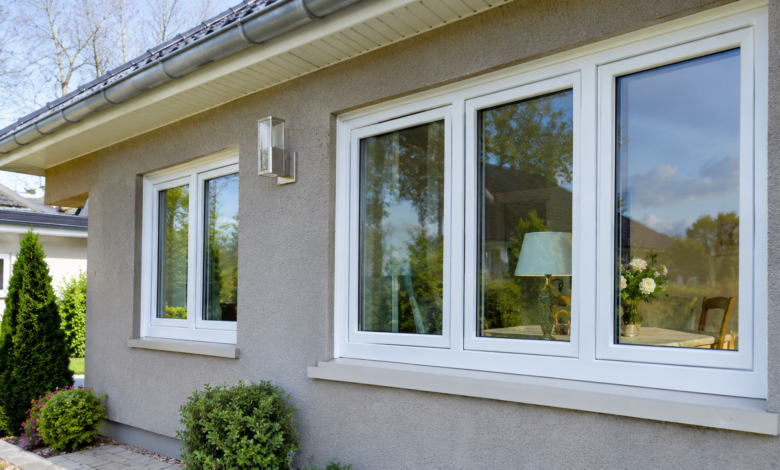
Best Vinyl Window: How to Choose the Right Windows for Your Home
Choosing the best vinyl window involves more than comparing prices or selecting an attractive frame colour. The right window should reduce unwanted heat loss, limit draughts, provide dependable security and suit the design of your property. In Europe, these windows are commonly described as uPVC or PVC-U windows, although terminology varies between markets.
A good choice depends on the complete window system, including the frame, glass, seals, locking hardware and installation quality. A premium frame will not deliver its expected performance if the glazing is poorly specified or the installer leaves gaps around the opening.
This guide explains what to look for when comparing vinyl windows, how double and triple glazing differ, which features offer practical benefits, and what homeowners should consider before replacing existing windows.
What Is a Vinyl Window?
A vinyl window uses a frame made from polyvinyl chloride (PVC), usually unplasticised PVC, known as uPVC or PVC-U in the UK and many European markets. The material resists moisture, does not require routine painting and is available in various colours, finishes and opening styles.
For many households, the best vinyl window combines a durable frame with suitable glazing, effective weather seals and hardware designed for regular use.
Common window styles include:
-
Casement windows: Hinged at the side and opened outwards or inwards, depending on the design.
-
Tilt-and-turn windows: Common in continental Europe, allowing tilting for ventilation or wider opening for access.
-
Sliding windows: Move horizontally and can work well where an outward-opening sash would obstruct a path or patio.
-
Fixed windows: Do not open and are primarily used for daylight, views and thermal performance.
Each style has different ventilation, cleaning, security and accessibility considerations. The most suitable option depends on the room, available space and local building requirements.
How to Choose the Best Vinyl Window
There is no single window that is best for every property. A suitable choice balances energy performance, durability, appearance, maintenance and cost.
1. Check the Complete Window’s Energy Performance
The frame material alone does not determine energy efficiency. The glass, frame design, edge spacers, seals and installation all influence how much heat escapes.
When comparing the best vinyl window options, ask for the thermal performance of the complete window rather than relying solely on a frame specification.
Look at the following features:
-
Low-emissivity glass: A thin coating helps reduce heat transfer while allowing daylight to enter.
-
Insulating glass units: Double glazing contains two panes, while triple glazing uses three.
-
Warm-edge spacers: These separate the panes and can reduce heat transfer around the edges.
-
Multi-chamber frames: Internal chambers can improve insulation, depending on the frame design.
-
Effective weather seals: Properly designed seals help limit draughts and water penetration.
A lower U-value generally indicates less heat transfer through the window. However, U-values should be compared on a like-for-like basis, using the same measurement conventions.
In the UK, the British Fenestration Rating Council (BFRC) also provides whole-window energy ratings that consider heat loss, air leakage and solar gain.
2. Decide Between Double and Triple Glazing
Double glazing is a common choice for replacement windows, while triple glazing may be useful in colder climates, exposed locations or highly insulated homes.
The best vinyl window for your property depends on the building’s existing insulation, local weather, orientation and budget.
| Feature | Double glazing | Triple glazing |
|---|---|---|
| Glass panes | Two | Three |
| Insulation | Often a substantial improvement over single glazing | Can provide better thermal insulation |
| Weight | Generally lighter | Generally heavier |
| Cost | Usually lower | Usually higher |
| Best suited to | Many standard replacement projects | Homes where additional thermal performance is valuable |
Triple glazing is not automatically the most cost-effective option. Its benefits depend on the entire building and the specifications of the window. In some homes, improving draught-proofing, roof insulation or wall insulation may offer better value than upgrading every window to triple glazing.
3. Compare Frame Construction and Hardware
Frame quality affects how a window operates over time. Look for a sturdy profile, well-finished joints, reliable hinges and handles, and locking hardware suited to the window’s size and opening style.
When assessing the best vinyl window, ask the supplier about the frame system, reinforcement where required, warranty coverage and availability of replacement parts.
Pay attention to how the window opens and closes. The sash should move smoothly, align properly with the frame and engage the locking points without excessive force. Poor alignment can cause draughts, difficult operation and premature wear.
Avoid choosing solely by the number of chambers in a frame or the number of locking points. These specifications need to be considered alongside the complete product’s tested performance.
For more insights, read our previous article:
[Stucco Siding Cost: What Homeowners Should Budget in 2026]
Important Features to Look For
Weather Resistance and Airtightness
Rain, wind and temperature changes can expose weaknesses in window seals and installation joints. Choose a product with suitable weather-performance documentation for your local conditions.
A well-installed best vinyl window should fit the opening correctly, with appropriate sealing around the frame and suitable drainage arrangements within the window system.
Check whether the supplier provides documented air-permeability, watertightness and wind-resistance results. These details are especially relevant for exposed coastal locations, high-rise properties and buildings facing prevailing winds.
Security and Safety
Window security depends on the locking system, frame construction, glazing and installation. Look for suitable locks, robust hinges and glazing specifications appropriate to the property’s location.
Ground-floor windows and accessible upper-floor openings may need additional security measures. Where a window is installed near floor level or in another critical location, safety glazing may be required under the applicable building rules.
Do not assume that every vinyl window offers the same level of protection. Ask for evidence of relevant security testing and check whether the complete installed configuration matches the tested product.
Noise Reduction
For homes near busy roads, railway lines or other sources of noise, glazing and frame design can make a difference. Acoustic performance depends on factors such as glass thickness, pane spacing, laminated glass and airtight installation.
If noise reduction is a priority, request a documented acoustic rating rather than relying on claims that a particular window is simply “soundproof”.
Benefits and Drawbacks of Vinyl Windows
The best vinyl window can offer several practical advantages, but uPVC is not the right solution for every building.
Main Benefits
-
Low routine maintenance: Frames generally do not need regular painting.
-
Moisture resistance: Suitable-quality uPVC does not rot like untreated timber.
-
Design flexibility: Available in different colours, finishes and opening configurations.
-
Potential energy improvements: Modern insulated glazing and well-sealed frames can reduce heat loss compared with inefficient existing windows.
-
Competitive initial cost: Vinyl windows are often less expensive than some timber alternatives.
Possible Disadvantages
Vinyl frames can be visually bulky compared with some aluminium designs. Colour, finish and product quality vary, and damaged components may not always be easy to repair.
Environmental considerations also matter. PVC-U can be recycled, but actual recycling depends on collection systems, product composition and local facilities. Replacing serviceable original windows is not always the most sustainable choice.
For listed buildings and conservation areas, changing traditional timber windows may affect the property’s appearance or require consent. Historic England recommends considering repair and appropriate upgrades before replacing historic windows.
Installation, Maintenance and Long-Term Value
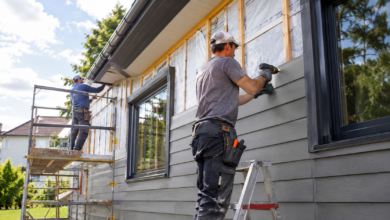
Even a well-designed window can perform poorly when fitted incorrectly. Installation quality is therefore a major part of choosing the best vinyl window.
Get Installation Details in Writing
Before agreeing to a purchase, ask the installer to explain:
-
How the existing frame will be removed and the opening prepared.
-
How the new frame will be fixed, insulated and sealed.
-
How drainage and weatherproofing will be maintained.
-
Whether background ventilation is required.
-
What guarantees cover the product, glazing, hardware and installation.
In England, replacement glazing is subject to building regulations covering matters including thermal performance, safety and ventilation. Requirements differ across European countries, so check the relevant national and local rules before work begins.
Keep the Windows in Good Condition
Vinyl windows usually need relatively little maintenance, but they are not maintenance-free.
Clean the frames with mild soapy water and a soft cloth. Avoid abrasive pads and aggressive solvents unless the manufacturer specifically approves them. Clear drainage openings, inspect the seals and follow the manufacturer’s instructions for lubricating moving hardware.
If a window becomes difficult to close, develops condensation between the glass panes or allows water inside, investigate the cause rather than assuming the entire unit needs replacement. A qualified window professional may be able to repair the hardware, replace failed seals or change the insulated glass unit.
Understand the Total Cost
The purchase price of the best vinyl window depends on dimensions, opening style, glazing specification, colour, hardware, installation complexity and the number of windows ordered.
Compare at least three detailed quotations where practical. Check that each quotation covers the same window dimensions, glazing performance, installation work, finishing and disposal arrangements. A cheaper quotation may exclude important work or specify a lower-performance product.
Rather than judging value by the initial price alone, consider expected maintenance, repairability, energy performance and warranty conditions.
(FAQs)
What is the best vinyl window for energy efficiency?
The best option is a complete window with strong verified thermal performance, suitable insulated glazing, effective seals and correct installation. Compare whole-window U-values and relevant energy ratings instead of selecting by frame material alone.
Are vinyl windows better than aluminium windows?
Neither material is universally better. Vinyl often offers competitive pricing and good insulation, while aluminium can provide slimmer frames and a different architectural appearance. Compare thermal performance, durability, maintenance and cost for the specific products.
Is triple glazing worth the extra cost?
Triple glazing can be worthwhile in colder climates and well-insulated homes where additional thermal performance matters. The benefit depends on the existing building, window orientation, local climate and price difference. It is not automatically the most economical upgrade.
How long do vinyl windows last?
Service life varies with product quality, exposure, installation and maintenance. There is no single lifespan that applies to every window. Check the manufacturer’s expected service life, warranty terms and the availability of replacement hardware and glazing units.
Do vinyl windows require much maintenance?
They generally require less maintenance than painted timber frames. Regular cleaning, checking seals, clearing drainage openings and maintaining moving hardware help keep them operating properly. Follow the manufacturer’s care instructions.
Can vinyl windows be installed in older European homes?
They can be suitable for some older properties, but appearance, ventilation, planning restrictions and the condition of existing frames need consideration. Listed buildings and conservation areas may have additional requirements. Repairing or upgrading original windows can sometimes be preferable to replacing them.
Final Thoughts
The best vinyl window is the one that matches your property’s insulation needs, local climate, architectural style and budget without compromising security or ventilation. Focus on documented whole-window performance, sound construction, reliable hardware and professional installation rather than marketing claims or price alone.
Before committing, compare equivalent quotations, check local building requirements and confirm what the warranty covers. A carefully selected and properly installed window can improve comfort and help reduce unwanted heat loss for years to come.



One Comment