
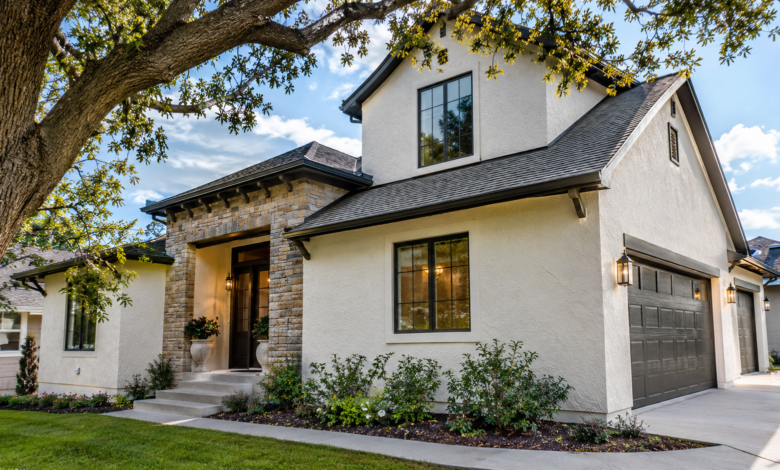
Stucco Siding Cost: What Homeowners Should Budget in 2026
The stucco siding cost depends on the exterior wall area, the rendering system, surface preparation, labour rates and the condition of the existing building. Although stucco is commonly associated with homes in North America, European homeowners can find similar finishes through traditional plastering and modern exterior rendering systems. The terminology and construction methods are not always identical, so comparing prices requires some care.
In the UK, indicative professional rendering prices in 2026 range from approximately £30 to £80 per square metre for many conventional projects, although specialist systems and complicated renovations can cost considerably more.
These figures provide a useful starting point rather than a universal European price. This guide explains the main cost factors, differences between materials, maintenance requirements and questions to ask before hiring a contractor.
What Is the Average Stucco Siding Cost in 2026?
Stucco siding cost varies according to the system being installed and the country where the work takes place. For European homeowners, exterior rendering prices are often the most relevant comparison because cement-based, lime-based and modern thin-coat renders can produce a similar continuous exterior finish.
As a UK budgeting guide, conventional rendering may cost around £30–£80 per m² for many projects. Premium finishes, extensive repairs, difficult access and removal of existing render can increase the total.
These prices refer to UK exterior rendering, not a directly equivalent quotation for every North American stucco system. A contractor must assess the actual wall construction before confirming the price.
Example costs for different wall areas
The following examples use an illustrative rate of £60 per m², including the assumed labour and materials. They are arithmetic examples, not quotations or guaranteed market rates.
| Rendered wall area | Illustrative cost |
|---|---|
| 30 m² | £1,800 |
| 60 m² | £3,600 |
| 90 m² | £5,400 |
| 120 m² | £7,200 |
The figures exclude any additional work not covered by the assumed rate, such as major substrate repairs or specialist access equipment.
The area being rendered is not necessarily the property’s internal floor area. A two-storey house with a complex layout may have considerably more exterior wall surface than a compact bungalow with the same floor area.
What Factors Affect Stucco Siding Cost?
Several factors influence the final quotation. Understanding them helps you compare contractors on the basis of the work being delivered rather than the headline price alone.
1. Type of rendering material
Traditional sand-and-cement render is often among the less expensive options initially. However, it may require a compatible exterior paint and future repainting.
Monocouche render is generally applied as a single main coat and can provide a through-coloured finish. Silicone-based render systems offer different combinations of water repellence, flexibility and vapour permeability, depending on the complete system.
Lime render is frequently considered for older buildings because its moisture-handling characteristics can suit traditional masonry. It requires appropriate specification and skilled application.
The material chosen affects both the installation budget and subsequent maintenance. The cheapest initial option is not automatically the least expensive over the life of the building.
2. Existing wall condition
A sound, clean masonry wall usually needs less preparation than a surface with loose render, extensive cracking, damaged mortar or persistent damp.
If the contractor must remove an existing finish, repair the underlying masonry or install additional components, the stucco siding cost can increase substantially.
Before approving the work, ask whether the quotation includes removing old material, disposing of waste, treating defective areas and preparing the substrate. A low quote that excludes essential repairs may prove misleading.
3. Labour and access
Rendering requires consistent preparation, suitable application conditions and careful finishing. Labour costs vary by region, contractor experience and the complexity of the job.
Scaffolding may be necessary for upper storeys or awkward elevations. Bay windows, decorative mouldings, narrow access routes and numerous external openings can also increase installation time.
In the UK, some 2026 cost guides quote approximately £30–£80 per m² for house rendering, but the precise scope of each estimate matters.
4. Insulation and additional work
Adding external wall insulation is a separate consideration from applying a decorative render. An insulated façade involves a coordinated system of insulation boards or other specified materials, fixings, reinforcement, finishing layers and detailing around windows and doors.
If improving energy efficiency is part of your project, request a quotation that separates insulation from the decorative finish. This makes it easier to understand the extra investment and compare alternatives.
For more insights, read our previous article:
[Polyurethane vs Polycrylic: Key Differences and Best Uses]
Which Stucco or Render System Is Best for Your Home?
The right exterior finish depends on the building’s age, exposure to rain, construction materials, appearance and maintenance requirements.
A familiar option for suitable masonry buildings. It can provide a durable finish when correctly specified and applied, but cracking, trapped moisture and future painting need consideration.
A through-coloured finish that can reduce the need for repainting. Colour selection, substrate compatibility and application quality influence the result.
Often selected for modern façades because of its water-repellent properties and range of finishes. The complete system must still allow appropriate moisture management.
A potential choice for older stone or solid-wall buildings. It can support moisture movement through compatible traditional construction, but the existing wall must be assessed before specification.
For many European properties, the distinction between stucco and render matters. North American stucco commonly refers to cementitious exterior plaster systems, sometimes applied over metal lath or framed construction. European rendering encompasses several systems designed for different substrates and climates.
Choose a compatible system rather than selecting a product based on appearance alone.
How to Calculate Your Exterior Rendering Budget
A more reliable estimate starts with measuring the actual wall area and identifying the work required.
Step 1: Measure the walls. Multiply the width by the height of each elevation. Add the areas together and deduct large windows and doors where appropriate.
Step 2: Choose a suitable system. Ask a qualified renderer to recommend a finish compatible with the existing masonry, exposure and moisture conditions.
Step 3: Include preparation. Establish whether loose render must be removed, cracks repaired, masonry repointed or surfaces primed.
Step 4: Account for additional charges. Check scaffolding, waste disposal, window-sill alterations, downpipes, decorative details and access restrictions.
Step 5: Compare written quotations. Request itemised prices covering the same wall area, materials, preparation, finish and installation requirements.
This process gives you a more realistic picture of the total stucco siding cost than multiplying the wall area by an advertised starting price.
Is Stucco Siding Worth the Investment?
A professionally installed rendered exterior can refresh a property’s appearance, provide a continuous protective finish and cover minor surface irregularities. Its value depends on the suitability of the system and the quality of the installation.
However, render does not automatically solve damp problems or improve energy efficiency significantly. Those outcomes depend on the underlying cause, wall construction and whether insulation is included.
Advantages
-
Appearance: A wide choice of colours and textures can suit traditional and contemporary properties.
-
Surface protection: A correctly specified system helps protect suitable substrates from weather exposure.
-
Design flexibility: Render can create a relatively uniform finish across repaired masonry.
-
Insulation compatibility: Some systems can be incorporated into properly designed external wall insulation projects.
Disadvantages
-
Installation expense: Skilled labour and access equipment can make a full exterior renovation costly.
-
Cracking risk: Movement, poor preparation or unsuitable materials can lead to defects.
-
Maintenance: Painted finishes may need repainting, while other finishes still require inspection and occasional repair.
-
Moisture risks: An incompatible coating or poorly detailed façade can interfere with drying and allow moisture damage.
For older buildings, avoid covering historic masonry with an unsuitable impermeable finish. Seek advice from a professional familiar with traditional construction before committing to major exterior alterations.
Maintenance and Repairs: What Should You Budget For?
Rendered walls need periodic inspection, particularly after severe weather. Look for new cracks, loose or hollow-sounding areas, damaged sealant joints, staining and deteriorating details around windows, roof edges and downpipes.
Small surface defects do not always indicate serious damage, but cracks that widen, recur or coincide with damp patches deserve professional investigation.
Keep gutters and downpipes working correctly so rainwater does not repeatedly run down the façade. Repair defective joints and investigate leaks before applying paint or a waterproof coating. An inappropriate coating can restrict drying and worsen concealed moisture problems.
International Masonry Institute+1
The long-term stucco siding cost therefore includes more than the original installation. Budget for compatible repairs, cleaning where appropriate and repainting if your chosen system requires it.
Do not use aggressive pressure washing or apply a generic sealant without checking the manufacturer’s maintenance instructions. For extensive cracking, loose render, suspected structural movement or persistent damp, consult a suitably qualified building professional.
Is DIY Stucco Installation a Good Way to Save Money?
DIY work can reduce labour expenditure, but full exterior rendering is not a straightforward beginner project. Consistent thickness, sound preparation, reinforcement where specified, correct curing and weather protection all affect performance.
Mistakes can lead to debonding, visible patchiness, cracking or moisture penetration. Correcting a failed finish may cost more than having the original work completed professionally.
For a small cosmetic repair, a competent homeowner may be able to undertake work using a compatible repair product and following the manufacturer’s instructions. Extensive re-rendering, work at height, insulation installation and repairs involving structural damage should be assessed by qualified professionals.
European homeowners should also check local planning requirements before changing a façade, particularly for listed buildings, protected streetscapes and properties in conservation areas. Building regulations may apply when insulation or other substantial alterations are included.
Frequently Asked Questions
How much does stucco siding cost per square metre in the UK?
Indicative UK exterior rendering prices in 2026 are around £30–£80 per m² for many projects. Specialist finishes, extensive preparation and difficult access may increase the rate. Obtain an itemised quotation for your property.
Is stucco cheaper than brick siding?
The comparison depends on the local market and the wall construction. Rendering an existing suitable masonry wall may be less expensive than replacing its exterior with a new cladding system. New-build comparisons must include the complete wall assembly, not just the visible finish.
What is the cheapest type of exterior render?
Traditional sand-and-cement render is often a lower-cost starting point for suitable walls. However, preparation, painting, repairs and maintenance can affect its lifetime cost. The cheapest option is not appropriate for every building.
Does stucco siding increase property value?
A well-maintained exterior can improve kerb appeal, but the effect on sale price varies by property, location and buyer demand. There is no guaranteed increase in property value from installing render alone.
How long does stucco siding last?
Service life depends on the system, workmanship, climate, substrate and maintenance. A correctly installed finish can remain serviceable for many years, but no single lifespan applies to every stucco or rendering system.
Can stucco be installed over existing brick?
Yes, some rendering systems can be applied to suitable brickwork after the wall has been assessed and prepared. Loose mortar, movement, damp and incompatible previous coatings must be addressed first. The contractor should specify a system designed for the particular substrate.
Final Thoughts on Stucco Siding Cost
The most useful way to assess stucco siding cost is to consider the entire exterior project rather than focusing on a single per-square-metre figure. Material selection, wall condition, labour, access and future maintenance all influence the investment.
For European homes, compare suitable rendering systems rather than assuming that every product marketed as stucco is equivalent. Obtain at least three itemised quotations where practical, investigate existing damp or structural defects, and confirm that the proposed finish is compatible with your building. A properly specified system offers a more dependable basis for long-term value than simply choosing the lowest initial price.


2 Comments