
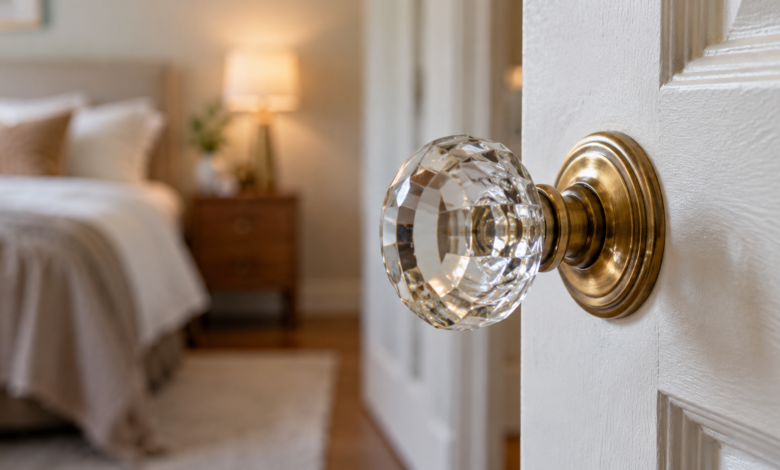
Glass Door Knobs: How to Choose, Style and Maintain Them
Glass door knobs offer a distinctive way to improve interior doors without making major changes to a room. Their transparent surfaces, decorative shapes and reflective qualities can complement traditional homes, modern apartments and carefully renovated period properties. However, choosing the right design involves more than appearance. You also need to consider the door material, fixing method, durability, comfort and intended use.
The best glass door knobs combine attractive styling with reliable construction and suitable fittings. Some designs are made for traditional wooden doors, while others are specifically engineered for glass shower doors or interior partitions. These products are not automatically interchangeable. Understanding the differences helps you select suitable hardware, avoid installation problems and maintain its appearance over time. This guide explains the main styles, materials, practical considerations and maintenance tips to help you make an informed decision.
What Are Glass Door Knobs?
Glass door knobs are door fittings made entirely or partly from glass or crystal, usually attached to a metal fixing or mounting mechanism. Depending on their design, they can operate a door latch or provide a simple grip for opening and closing a door.
Traditional versions are commonly associated with Victorian and Edwardian interiors, while contemporary designs feature cleaner shapes and understated finishes. Some have clear, faceted surfaces; others incorporate coloured glass, frosted details or decorative patterns.
It is important to distinguish decorative glass knobs from hardware designed for glass doors. A knob intended for a wooden door may require a spindle and latch, whereas a glass shower-door knob often uses a through-fixing system with protective washers. Always check the manufacturer’s specifications before purchasing.
Popular Types of Glass Door Knobs
Different styles suit different interiors, so consider the overall character of your home before choosing a particular design.
1. Clear Glass Door Knobs

Clear glass door knobs are versatile because their transparent appearance works with many door colours and interior styles. Faceted designs catch the light, creating subtle reflections that add interest without introducing a strong colour.
They are particularly suitable for white wooden doors, neutral hallways, bedrooms and traditional living spaces. Brass or bronze fittings can make them appear more traditional, while polished chrome creates a cleaner, more contemporary finish.
2. Vintage and Antique-Style Knobs

Vintage-style designs often feature rounded glass, starburst patterns, decorative rosettes and aged metal fittings. They work well in period homes, restored cottages and interiors featuring original timber floors or traditional mouldings.
When selecting antique hardware, inspect the condition of the glass and metal shank. Chips, cracks, worn threads or missing fixing components can make installation difficult. An authentic antique may also have different dimensions from modern replacement hardware, so measurements matter.
3. Coloured and Decorative Glass Knobs
Coloured options introduce a more distinctive accent. Amber, blue, green and smoky glass can complement selected furniture finishes or provide contrast against pale doors.
These designs work best when their colours relate to other elements in the room, such as cabinet hardware, lighting or decorative accessories. Too many competing finishes can make a small space feel visually busy.
4. Modern Glass Knobs
Modern designs usually favour smooth globes, simple geometric shapes and minimal decorative detailing. They can suit contemporary flats, home offices and renovated properties where the aim is to combine traditional materials with a cleaner appearance.
Some modern products combine glass with stainless steel, chrome, black metal or brass-coloured fittings. Check the finish specifications carefully, particularly in bathrooms where frequent moisture exposure may affect unsuitable hardware.
Where Should You Use Glass Door Knobs?
The intended location should guide your purchase because not every knob is appropriate for every door.
Bedrooms and living rooms: Decorative glass knobs can provide an elegant finish to wooden interior doors. Choose a functioning knob-and-latch set if the door needs to close securely.
Hallways and period properties: Vintage designs can complement traditional joinery, decorative architraves and original timber features. Check compatibility before replacing existing hardware.
Bathrooms and shower enclosures: Glass door knobs designed for wet environments can provide a compact grip. Select products specifically rated for the door type, glass thickness and installation arrangement.
Kitchen cupboards and furniture: Smaller glass knobs can refresh cupboard doors and drawers. These are cabinet fittings rather than full-sized door hardware, so they should not be confused with products designed for room doors.
Sliding glass partitions: A projecting knob may obstruct movement or interfere with nearby surfaces. A suitable flush pull or purpose-designed fitting may be more practical.
For frequently used entrances, consider whether a knob offers enough grip for everyone using the door. A lever handle may be easier to operate for people with limited hand strength.
How to Choose the Right Glass Door Knobs
Before buying, assess the following factors rather than selecting hardware on appearance alone.
Door Material and Thickness
First, identify whether the door is wooden, composite or glass. Then measure its thickness and check the existing hole, spindle and latch dimensions where applicable.
Glass doors require particular care. A knob designed for a glass panel must match its specified thickness and fixing arrangement. Never assume that a fitting will work simply because its diameter looks suitable.
If a glass door needs a new hole, contact a qualified glass installer. Tempered safety glass cannot be drilled or cut after tempering using ordinary installation methods; attempting to do so can cause the panel to shatter.
Materials and Metal Finishes
The visible knob may be glass, but the mounting hardware influences its durability and appearance.
-
Brass: Suits traditional and decorative interiors.
-
Stainless steel: Offers a clean appearance and can be suitable for many modern settings.
-
Chrome: Provides a bright, reflective finish.
-
Black metal: Creates contrast against pale doors and neutral walls.
-
Bronze finishes: Complement warmer colour schemes and traditional furniture.
Check whether the metal is solid, plated or coated. The care requirements and resistance to corrosion or finish deterioration can differ significantly.
Comfort, Security and Functionality
Glass door knobs should feel comfortable in the hand and remain securely attached during normal use. Smooth edges, suitable dimensions and reliable fixings matter more than decorative details alone.
For bedrooms or bathrooms requiring privacy, choose a compatible privacy latch and locking mechanism. A decorative fixed knob does not automatically provide a lock.
For external doors, security-rated hardware and compatible locking systems deserve greater priority than appearance. Do not assume that a decorative glass knob provides the protection needed for an entrance door.
How to Install Glass Door Knobs Safely
Installation depends on the door and the hardware supplied. A replacement knob on a compatible wooden door may be a straightforward DIY task, but glass-door fittings require closer attention.
For a conventional wooden interior door:
-
Check the components. Confirm that the knobs, spindle, screws, latch and any required plates are present.
-
Measure the door. Verify the door thickness and the dimensions of the existing latch and spindle.
-
Follow the manufacturer’s instructions. Position the components according to the supplied installation guide.
-
Secure the fittings. Tighten the appropriate screws without applying excessive force.
-
Test the operation. Open and close the door several times, checking that the latch moves freely and the knob remains stable.
These steps are general guidance, not a substitute for the instructions supplied with a particular product.
Glass panels need additional precautions. Use only compatible fittings, including any specified gaskets or protective washers. Do not overtighten hardware against the glass, and stop if the panel has a crack, chip or damaged hole. Seek help from a qualified installer when the fixing method is uncertain.
How to Clean and Maintain Glass Door Knobs
Regular cleaning helps preserve the glass surface and metal finish. Fingerprints, dust and oils can make frequently touched hardware appear dull, particularly in bright hallways and bathrooms.
Use a soft, lint-free cloth for routine dusting. For more thorough cleaning, wipe the glass with a lightly dampened cloth and a small amount of mild soap solution where the manufacturer permits it. Dry the surface afterwards to reduce water marks.
Avoid abrasive pads, scouring powders and aggressive chemicals. Acidic cleaners, chlorine bleach and unsuitable metal polishes can damage certain plated or protective finishes.
When cleaning decorative knobs, pay attention to the junction between the glass and metal fitting. Avoid soaking the assembly or allowing liquid to enter a lock cylinder or internal mechanism.
Periodically inspect the fixing screws and mounting hardware. If a knob becomes loose, identify the correct fixing method before tightening it. Do not use excessive force, especially on older fittings where the glass-to-metal connection may be fragile.
If the glass is cracked or the knob is separating from its mounting, stop using it until it can be safely repaired or replaced.
Are Glass Door Knobs Worth Buying?
Glass door knobs can be a worthwhile choice when decorative detail is an important part of your interior design. They offer a distinctive appearance, work with a wide range of door colours and can complement both vintage and modern settings.
Their limitations are equally worth considering. Glass can chip or break following an impact, intricate designs may require more careful cleaning, and replacement components for unusual antique fittings can be difficult to source.
The overall cost depends on the design, materials, finish, fixing mechanism and installation requirements. A straightforward replacement on a compatible wooden door may cost less than fitting specialist hardware to a glass partition. Obtain comparable quotations if professional work is required.
For renters, check the tenancy agreement and obtain the landlord’s permission before altering original door hardware. Homeowners restoring older properties should also measure existing fittings before removing them, particularly when preserving original features matters.
The most sensible purchase balances appearance, compatibility, ease of maintenance and the demands of the room. A well-chosen fitting should complement the door without compromising safe operation.
(FAQs)
Are glass door knobs durable?
They can be durable when manufactured well and installed correctly. However, glass can chip or break if struck hard, so careful handling and secure mounting are essential.
Can glass door knobs be fitted to wooden doors?
Yes. Many traditional designs are made for wooden interior doors. Check the spindle, latch, door thickness and mounting dimensions before purchasing a replacement.
Can you install glass door knobs on shower doors?
Yes, provided the product is specifically designed for shower-door use and matches the glass thickness and fixing requirements. Use compatible protective washers and avoid overtightening.
How do you clean glass door knobs without damaging them?
Use a soft cloth and, where permitted by the manufacturer, mild soapy water. Dry the surface afterwards and avoid abrasive cleaners or chemicals that could damage the metal finish.
Are glass door knobs suitable for modern homes?
Yes. Simple globes, clear glass and geometric designs can complement modern interiors. Pairing glass with black, chrome or brushed-metal fittings helps create a contemporary appearance.
Should I replace a loose or cracked glass door knob?
A loose knob should be inspected promptly, while a cracked one should be taken out of service. Replace damaged components with compatible hardware, and seek professional assistance if the mounting or glass panel is compromised.





One Comment