
Smart Home & Technology
What Is a Surge Protector? How It Works and What It Protects
A surge protector is a device designed to help protect electrical and electronic equipment from sudden increases in voltage. If you are wondering what a surge protector is, the simple answer is that it provides a path for excess electrical energy away from connected equipment when a voltage surge occurs.
Surge protection can protect televisions, computers, networking equipment, entertainment systems, and other sensitive electronics. However, a surge protector is not the same thing as a fuse, circuit breaker, or residual-current device (RCD), and it cannot prevent every type of electrical problem.
For homeowners and renters across Europe, understanding what is a surge protector can help when deciding how to protect valuable electronics from transient overvoltages.
What Is a Surge Protector?
In practical terms, what is a surge protector? It is a protective device that limits or diverts excessive transient voltage to reduce the stress placed on connected electrical equipment.
A power surge is a short-duration increase in voltage. It can originate from events such as switching operations on an electrical network, certain faults, or lightning-related electrical disturbances. The exact risk varies by building, electrical installation, location, and local distribution network.
Many plug-in surge protectors use components such as metal-oxide varistors (MOVs). Under normal voltage conditions, an MOV has high resistance. During a sufficiently high transient voltage, its electrical behavior changes so that it can conduct excess energy away from the protected circuit.
This is why a surge protector is better understood as a question of transient-voltage protection, rather than simply “a safer extension lead”.
How Does a Surge Protector Work?
A basic surge protector monitors the voltage supplied to connected equipment. When a transient exceeds the device’s designed protection level, its protective components respond and limit the voltage that reaches the equipment.
The process happens extremely quickly. A plug-in unit may contain one or more protective components, along with an enclosure, sockets, and sometimes additional features such as an indicator showing whether protection remains active.
The key point is that a surge protector does not continuously regulate household voltage. A typical surge protector is designed primarily for short-lived transient events.
For example, if a television is connected to a suitable surge-protection device and a transient occurs on the supply, the protector may reduce the transient voltage reaching the television. It does not guarantee that the television will survive every electrical event.
What Does a Surge Protector Protect?
A surge protector can be particularly useful for equipment containing sensitive electronic components.
Examples include:
- Desktop computers and monitors
- Televisions and streaming equipment
- Routers and networking equipment
- Games consoles
- Audio equipment
- Smart-home equipment
- Some office electronics
- Certain chargers and power supplies
The level of protection depends on the specific device and installation. An appropriate rating and configuration matter; simply choosing a product with many sockets does not necessarily provide better electrical protection.
Understanding what is a surge protector also means understanding its limitations. A protector can reduce the effect of certain transient overvoltages, but it cannot guarantee protection against every electrical fault, sustained overvoltage or direct lightning strike.
For more insights, read our previous article: Halloween Party Ideas for Adults
Surge Protector vs Extension Lead
An ordinary extension lead mainly provides additional cable length and electrical outlets. It may include overload protection, but an extension lead should not automatically be assumed to provide surge protection.
A surge-protection extension lead combines ordinary power distribution with components intended to limit transient overvoltage.
This distinction matters because people sometimes use the terms interchangeably. When deciding what counts as a surge protector, look for explicit information from the manufacturer about the device’s surge-protection function rather than relying on the number of sockets or a marketing description such as “heavy duty”.
Surge Protector vs Fuse, Circuit Breaker and RCD
These devices serve different purposes.
A fuse interrupts a circuit when excessive current causes the fuse element to operate.
A circuit breaker can disconnect a circuit when a specified electrical fault or overcurrent condition occurs.
An RCD disconnects a circuit when it detects an imbalance associated with current flowing through an unintended path, helping reduce the risk of electric shock in applicable situations.
A surge protector addresses a different problem: transient overvoltage.
Therefore, knowing what a surge protector is should not lead you to treat it as a replacement for the protective devices in a properly designed electrical installation.
Where Should You Use a Surge Protector?
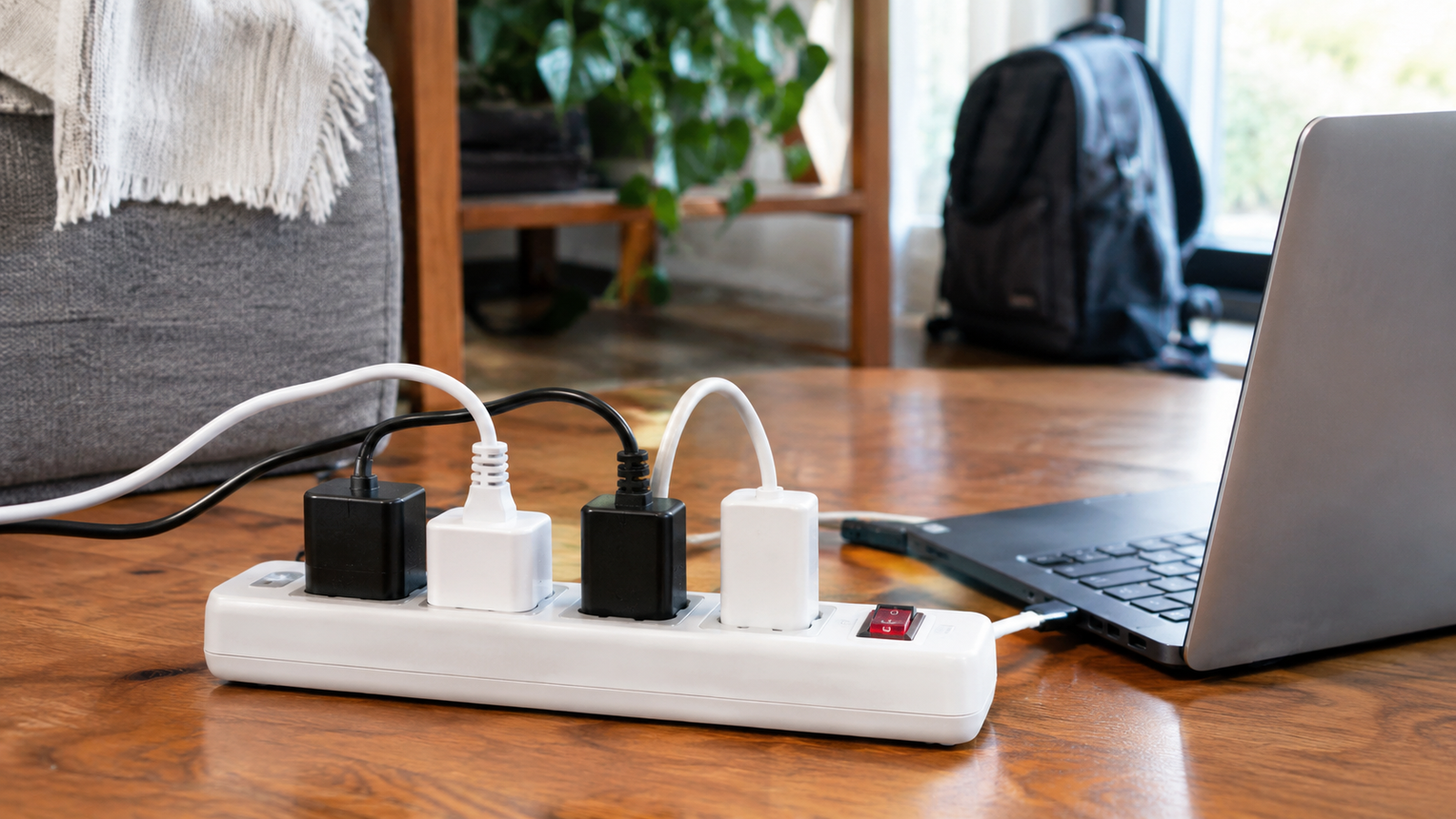
The most sensible applications are generally equipment that is valuable, sensitive to electrical disturbances, or difficult to replace.
A home office is one example. A computer, monitor, router, and other connected equipment can represent a significant investment. Entertainment systems can also benefit from suitable transient protection.
In a flat or apartment, plug-in protection may be convenient for individual equipment groups. In a larger house, however, a qualified electrician may be able to assess whether broader surge-protection measures suit the electrical installation.
If you are unsure which surge protector suits your equipment, check the manufacturer’s specifications and the installation’s electrical requirements rather than assuming every plug-in product provides the same protection.
Can a Surge Protector Protect Against Lightning?
A common misconception about surge protectors is that they provide complete protection from lightning.
It does not.
Lightning can involve extremely large amounts of electrical energy. A plug-in surge protector can protect against certain transient events, but it should not be regarded as a guarantee against direct or nearby lightning strikes.
Where lightning exposure or electrical-installation risk is a significant concern, surge protection can involve measures installed at the electrical distribution board and coordinated with the building’s earthing and electrical protection system. A suitably qualified professional should assess and carry out such work in accordance with applicable local requirements.
How Long Does a Surge Protector Last?
Surge-protection components can degrade after absorbing transient energy. Some devices therefore include an indicator showing whether their protective function remains available.
A protector may keep supplying electricity even after its surge-protection components become ineffective. This makes an indicator light or other status feature useful, but the exact behavior depends on the design.
If a surge protector has been involved in a major electrical event, shows physical damage, becomes unusually hot, smells burnt, or shows other signs of failure, stop using it and replace it. Do not open or attempt to repair a mains-powered surge protector yourself.
This is an important part of understanding what a surge protector is: protective equipment with a finite operating capability, not an indestructible electrical barrier.
How to Choose a Surge Protector
When comparing products, don’t focus only on the number of sockets.
Consider:
- The manufacturer’s stated surge-protection specifications
- Compatibility with the local electrical system and plug type
- Maximum electrical load
- Appropriate safety certifications or conformity information
- Protection-status indication where available
- Warranty and manufacturer documentation
- Physical build quality and suitability for the intended location
For European homes, electrical systems and plug arrangements vary between countries, so make sure the product is intended for the electrical system where it will be used.
A reputable manufacturer should provide meaningful technical information rather than simply describing a product as “surge protected”.
Are Surge Protectors Safe?
A properly designed, correctly rated surge protector used according to its instructions can be a useful part of an electrical safety strategy.
However, never overload it. Do not connect multiple extension leads or power strips simply to create additional outlets. Keep the total load within the manufacturer’s specified limits.
Never use a damaged unit, and keep electrical equipment away from water and excessive moisture.
If you notice repeated electrical faults, burning smells, discoloration, sparking, unusual heat, or unexplained circuit trips, disconnect equipment where it is safe to do so and seek qualified electrical assistance.
If you are still asking what a surge protector is because of repeated voltage problems in your home, you should investigate the underlying electrical issue rather than simply adding more plug-in protectors.
Do You Need Whole-Home Surge Protection?
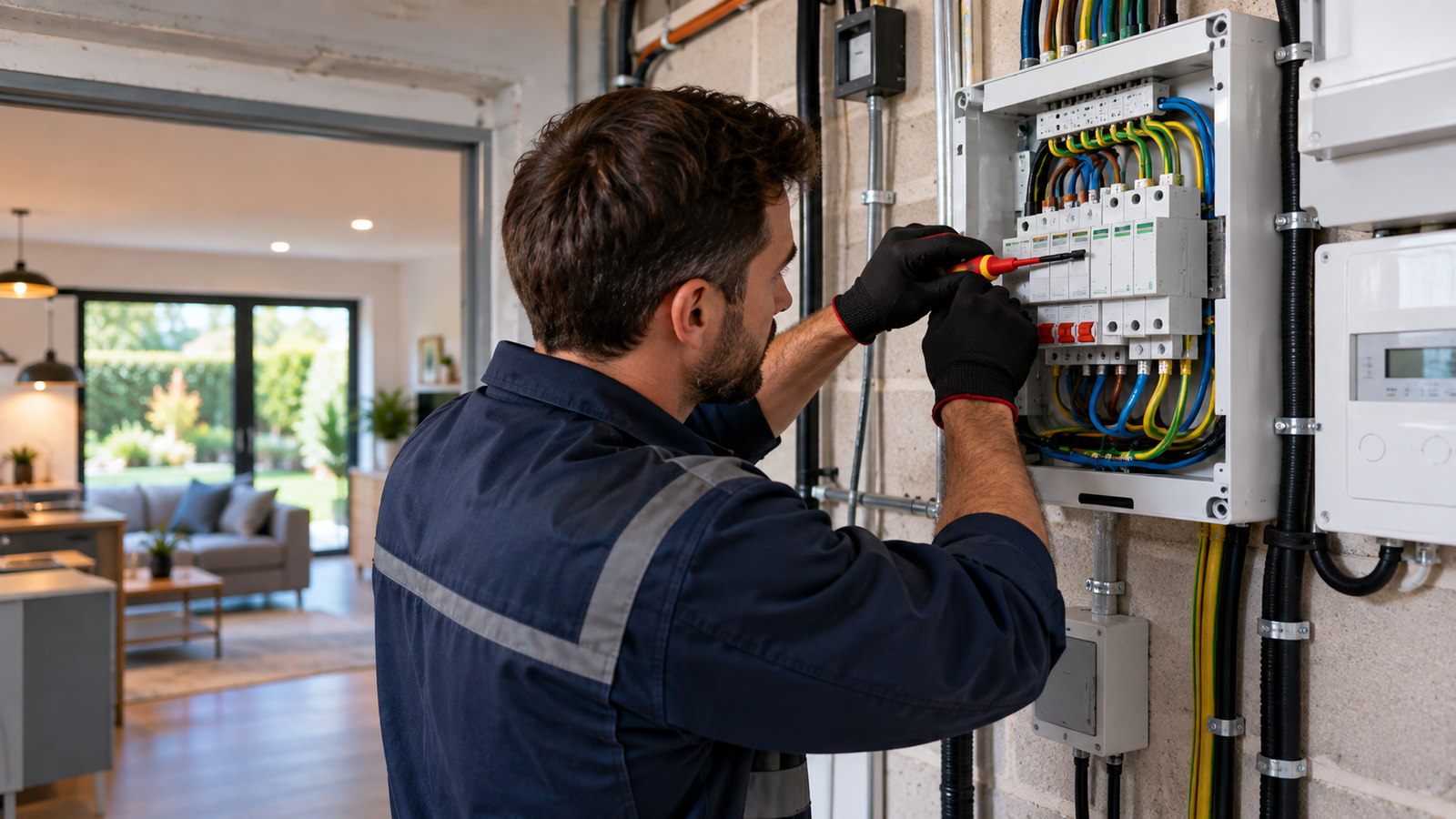
Whole-home surge protection is different from plugging one appliance into a surge-protection device.
A whole-installation approach can involve surge protective devices (SPDs) installed within the electrical distribution system. The appropriate arrangement depends on the electrical installation, building characteristics, earthing arrangement, local standards and risk factors.
This is not normally a DIY project. A qualified electrician can determine whether this protection is appropriate and how to coordinate it with the existing installation.
For some households, protecting individual sensitive appliances may be enough. For others, particularly where there are specific electrical or lightning-related risks, a professional assessment may be more appropriate.
What a Surge Protector Cannot Do
Knowing what is a surge protector is only half the picture. Knowing what it cannot do is equally important.
A typical plug-in protector does not:
- Replace a circuit breaker.
- Replace an RCD
- Correct poor household wiring
- Fix repeated voltage problems.
- Guarantee protection from lightning
- Protect against every possible electrical fault.
- Make an overloaded socket safe.
If your electrical installation has an underlying problem, adding a surge protector won’t remove it.
Frequently Asked Questions
What is a surge protector used for?
A surge protector reduces voltage from certain short-duration electrical transients before they reach connected equipment. It can be useful for sensitive electronics such as computers, televisions, routers, and entertainment systems, but it does not protect against every electrical hazard.
Is a surge protector the same as an extension lead?
No. An ordinary extension lead primarily provides additional reach and sockets. A surge protector includes components specifically intended to limit transient overvoltage. Always check the manufacturer’s specifications because not every extension lead provides surge protection.
Do I need a surge protector for my TV?
A suitable surge-protection device may be appropriate for a television, especially if the equipment is valuable or sensitive to electrical disturbances. It should be correctly rated, compatible with the local electrical system, and used according to the manufacturer’s instructions.
Can a surge protector prevent damage from lightning?
A surge protector may reduce the effects of some lightning-related transients, but it cannot guarantee protection from a direct lightning strike or every associated electrical event. Higher levels of protection may require surge protective devices incorporated into the building’s electrical installation.
When should I replace a surge protector?
Replace one if it is damaged, shows signs of overheating or burning, or indicates that its protective function has been exhausted. Some products have protection-status indicators. Follow the manufacturer’s replacement guidance, particularly after a significant electrical event.
Can I install whole-house surge protection myself?
Whole-installation surge protection involves the mains electrical system and should generally be assessed and installed by an appropriately qualified electrician. The correct arrangement depends on the building’s electrical installation, earthing system and applicable local requirements.


2 Comments