Slab Leak Repair: Signs, Causes, Costs and the Best Repair Solutions
A hidden water leak beneath a concrete foundation can damage flooring, waste water and create problems that become more expensive if left unresolved. Slab leak repair involves locating and fixing a damaged water supply or drainage pipe beneath or within a concrete foundation. The correct approach depends on the pipe’s location, the extent of the damage and the condition of the surrounding structure.
Although the term is particularly common in the United States, similar problems can occur in European properties with concrete ground-bearing floors and buried plumbing. The construction methods and repair requirements vary between countries and buildings.
Recognising the warning signs early can help property owners arrange an inspection before moisture spreads. This guide explains how to identify a possible leak, understand professional detection methods, compare repair options and manage the costs without risking unnecessary damage to the property.
What Is a Slab Leak?
A slab leak is a leak from a water supply pipe or drainage pipe running beneath or through a concrete foundation slab. Instead of escaping into a visible sink, bathroom or utility area, water may seep into the ground, accumulate beneath flooring or travel through surrounding building materials.
Slab leak repair addresses the damaged pipe and any related problems caused by escaping water. Repairing the pipe alone may not be sufficient if moisture has already affected flooring, insulation or structural materials.
Concrete floors are common in many modern buildings, but not every property has plumbing beneath its foundation. Some homes have suspended timber floors, basements or different foundation systems. A qualified plumber must establish the building’s construction and pipe layout before recommending a solution.
Common Signs You May Need Slab Leak Repair
A pipe beneath a concrete floor is difficult to inspect directly. However, several warning signs can indicate a concealed plumbing problem.
1. Unexplained Increases in Water Bills
A sudden rise in water consumption without a change in household habits may indicate a leaking supply pipe. The problem becomes more suspicious when toilets, taps, appliances and other water-using fixtures have been checked.
If the property has an accessible water meter, a plumber may recommend monitoring it while all water-using appliances are switched off. Meter behaviour can provide useful evidence, although it cannot establish the exact location of a leak.
2. Warm or Damp Patches on the Floor
An unexplained warm area on a tiled or concrete floor can indicate a leak from a hot-water pipe. Damp patches, discoloured flooring, lifted tiles or persistent moisture may also suggest escaping water.
These symptoms have other possible causes, including condensation, external water penetration and leaks from nearby appliances. Professional investigation helps distinguish between them.
3. Persistent Water Sounds
Hissing, trickling or running-water sounds when taps and appliances are switched off can indicate a pressurised pipe leak.
The sound may travel through walls and floors, so its apparent location is not always accurate. Avoid breaking into the concrete based on sound alone.
4. Cracks, Musty Smells or Damaged Flooring
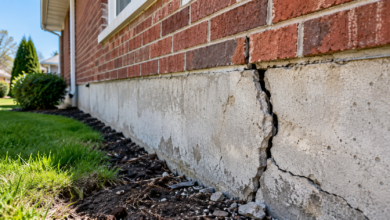
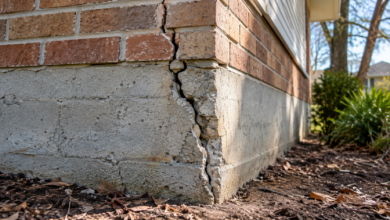
Water escaping beneath a floor can contribute to dampness, unpleasant odours and deterioration of certain floor finishes. Existing cracks may become more noticeable, but a crack by itself does not prove a plumbing leak.
Arrange an inspection if several symptoms occur together, particularly when unexplained moisture continues to return.
What Causes a Leak Beneath a Concrete Foundation?
Understanding the cause helps determine which repair is likely to last.
-
Pipe corrosion: Older metal pipes can deteriorate over time, depending on their material, water chemistry and surrounding conditions.
-
Poor installation: Incorrect joints, unsuitable materials or inadequate pipe support can contribute to premature failure.
-
Movement of the ground: Settlement or soil movement may place stress on buried pipes and their connections.
-
Thermal expansion: Repeated heating and cooling can cause pipes to expand and contract, potentially increasing stress at vulnerable contact points or joints.
-
Physical damage: Abrasion, damaged fittings or construction work can compromise a pipe.
-
Age-related deterioration: Older plumbing systems may develop multiple weak points rather than a single isolated fault.
A professional diagnosis should identify the actual cause instead of assuming that every leak results from a cracked foundation. The concrete itself may be sound even when a pipe beneath it has failed.
How Professionals Detect a Slab Leak
Accurate detection is an important first step in slab leak repair because unnecessary excavation can increase disruption and restoration costs.
Acoustic Leak Detection
Specialist listening equipment can detect sounds produced by escaping water. Technicians use these signals, together with knowledge of the pipe layout, to narrow down the likely leak location.
Background noise, pipe materials and the size of the leak can affect accuracy.
Thermal Imaging
Thermal cameras identify surface temperature differences. They may help locate suspected hot-water leaks, but temperature patterns alone do not confirm a leak. The results must be interpreted alongside other evidence.
Pressure Testing
A plumber may conduct controlled pressure tests to assess whether a water supply line can maintain pressure. The test must be appropriate for the pipe material and system design.
Drain Camera Inspection
If a damaged waste pipe or drain is suspected, a specialist camera may help inspect accessible sections of the drainage system. This is different from detecting a pressurised water supply leak.
Combining suitable detection methods allows the plumber to recommend a targeted repair rather than opening a large section of flooring without sufficient evidence.
Slab Leak Repair Methods: Which Solution Is Best?
The best solution depends on the location of the fault, the pipe’s condition, accessibility and the likely reliability of the repair.
Direct Access and Pipe Repair
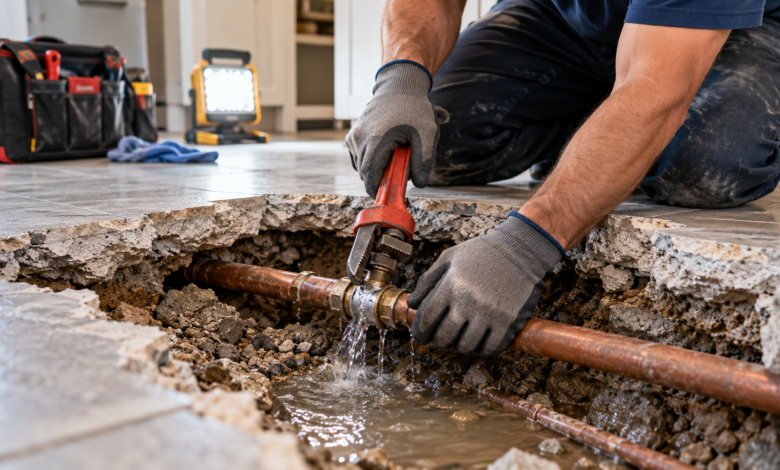
In a direct-access repair, a specialist opens a limited section of concrete or flooring above the confirmed leak. The damaged pipe section is repaired or replaced, and the system is tested before the opening is reinstated.
This approach can be suitable when there is one accessible leak and the surrounding pipework remains in good condition. The main drawback is the disruption caused by cutting concrete and restoring the floor.
Pipe Rerouting
Rerouting involves installing a replacement pipe along a different route rather than repairing the damaged section beneath the slab.
Depending on the building, the new pipe may pass through accessible service spaces, walls or other suitable routes. The abandoned section must be dealt with appropriately, and the replacement installation must comply with applicable local requirements.
Rerouting may reduce the need to disturb finished flooring, although it can require additional work to conceal pipework and restore walls or ceilings.
Pipe Relining
Some drainage systems and certain pipe configurations may be suitable for specialist internal lining. This method creates a new lining inside an existing pipe without replacing the entire section.
However, relining is not appropriate for every leak. Its suitability depends on pipe condition, diameter, access and the type of damage. A lining method should not be recommended simply because it avoids excavation.
Which Method Should You Choose?
Ask the contractor to explain why the proposed method is appropriate for the damaged pipe. Compare the expected durability, disruption, access requirements and restoration work rather than choosing solely on the initial quotation.
How Much Does Slab Leak Repair Cost?
The cost of slab leak repair varies considerably because locating a leak and fixing it are separate tasks. The total may include specialist detection, access through the floor, replacement pipework, labour, testing and restoration.
The following factors influence the final quotation:
-
Location and accessibility: A leak beneath finished tiles or fitted kitchen units may require more work to access.
-
Repair method: Direct pipe replacement, rerouting and suitable lining methods involve different materials and labour.
-
Extent of damage: Multiple leaks or deteriorated pipework can require more extensive work.
-
Floor restoration: Replacing tiles, flooring, screed or other finishes may add to the total.
-
Additional damage: Moisture removal and repairs to affected building materials may be necessary.
-
Local requirements: Labour rates, permits and applicable plumbing standards vary by location.
For context, a 2026 US cost guide from This Old House reports a typical slab leak repair range of approximately $630–$4,400, with more extensive projects potentially costing more. These figures are US estimates, not reliable prices for the UK or other European countries.
For a meaningful estimate, request an itemised quotation that separates detection, plumbing work, concrete access, testing and reinstatement. Confirm whether taxes and any necessary permits are included.
What to Do If You Suspect a Slab Leak
If you suspect a leak beneath the floor, take these steps before arranging slab leak repair.
-
Check for immediate danger. If water is near electrical outlets, appliances or wiring, keep away from the affected area and seek appropriate emergency assistance.
-
Limit water use. If a supply leak is suspected and it is safe to do so, turn off the relevant isolation valve or the property’s main water supply.
-
Record the symptoms. Photograph damp patches, damaged flooring and visible water. Note unusual sounds and changes in water consumption.
-
Contact a qualified plumber. Request professional leak detection before authorising disruptive work.
-
Inform the relevant parties. Tenants should notify their landlord or property manager promptly. Owners should check their insurance terms and any applicable building responsibilities.
-
Address moisture damage. Once the leak has been controlled, arrange appropriate drying and assessment of affected materials.
Do not drill into the slab, use a jackhammer or attempt to excavate beneath the foundation without professional assessment. Uncontrolled excavation can damage buried services and compromise the building’s support.
How to Prevent Future Plumbing Leaks
Not every hidden pipe failure can be prevented, but sensible maintenance can reduce the likelihood of problems going unnoticed.
Monitor unusual changes in water use, investigate recurring damp patches and arrange inspections when plumbing develops persistent pressure or temperature problems. During renovations, retain available plumbing plans and use qualified contractors who understand the property’s construction.
Where older pipes have deteriorated, ask whether replacing an isolated section or upgrading a larger part of the system is more appropriate. The decision should be based on the pipe condition and expected service life, not age alone.
For properties with recurring leaks, a plumbing assessment may reveal a common cause, such as unsuitable pipe materials, corrosion or repeated mechanical stress. Correcting that underlying issue can be more effective than repeatedly repairing individual failures.
Conclusion
Effective slab leak repair begins with accurate detection, a clear understanding of the damaged pipe and a repair method suited to the building. Direct access, rerouting and specialist lining can all be appropriate in different circumstances, but none is the right solution for every property.
Acting promptly can limit water waste and reduce the chance of further damage. Obtain a written diagnosis, compare itemised quotations and ensure the plumbing work and any structural repairs meet the relevant local requirements.
(FAQs)
Can a slab leak repair be completed without breaking the concrete?
Yes, in some cases. Rerouting the affected pipe or using a suitable specialist lining system may avoid opening the slab. The appropriate option depends on the type of pipe, the location of the leak and the condition of the existing plumbing.
How long does slab leak repair take?
The time required depends on detection, accessibility, the repair method and any additional damage. A straightforward repair may take less time than rerouting pipework or restoring extensive flooring. Ask the contractor for separate estimates for the plumbing work and reinstatement.
Can a slab leak damage a house foundation?
A persistent leak can wash away or soften surrounding soil in some conditions and contribute to moisture-related deterioration. The actual structural risk depends on the soil, foundation design, leak volume and duration. A structural specialist may be needed if there are significant cracks or signs of movement.
Is slab leak repair covered by home insurance?
Coverage depends on the policy, the cause of the leak, the resulting damage and the country in which the property is insured. Some policies distinguish between repairing the failed pipe and repairing damage caused by escaping water. Contact the insurer before authorising non-emergency work where possible.
Can a tenant arrange slab leak repair?
Tenants should report suspected leaks to their landlord or property manager promptly and follow the tenancy agreement and local rules. Responsibility for arranging and paying for repairs varies by jurisdiction, ownership arrangements and the cause of the problem.
When should I call a professional for a suspected slab leak?
Contact a qualified plumber when water bills rise unexpectedly, unexplained dampness persists, floors develop unusual warm patches or running-water sounds continue with fixtures switched off. Seek urgent assistance if there is substantial flooding, sewage leakage or a possible electrical hazard.