
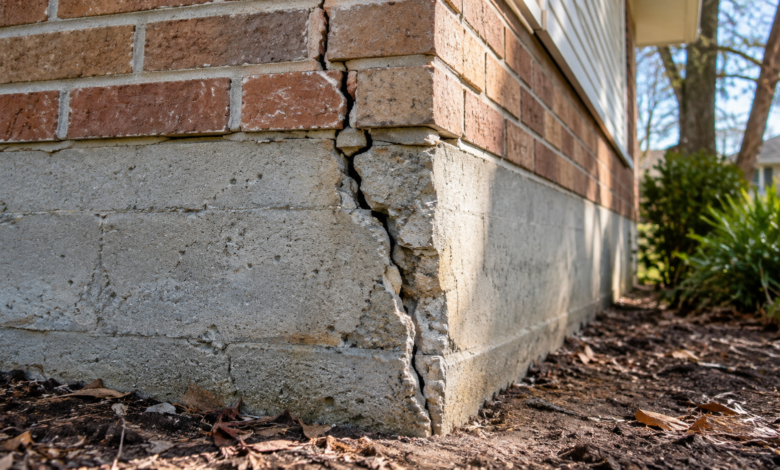
Cracked Foundation: Signs, Causes, Repairs and Prevention
A cracked foundation can be worrying because the foundation supports the weight of your home and transfers it safely to the ground. However, not every crack means a building has a serious structural problem. Some cracks develop through normal material shrinkage or minor settlement, while others indicate soil movement, water damage or failing foundations.
The key is to recognise the pattern, location and progression of the damage. A cracked foundation that is widening, accompanied by sloping floors or associated with doors that suddenly stick deserves more attention than a small, stable hairline crack. Homes across Europe vary in construction, soil conditions and age, so the correct solution depends on the property and the underlying cause. This guide explains the warning signs, common causes, safe next steps, repair options and preventative measures that homeowners, landlords and property buyers should understand.
What Is a Cracked Foundation?
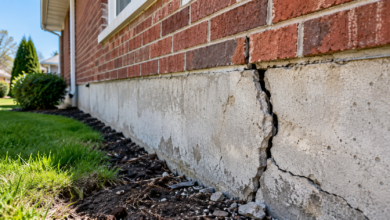
A cracked foundation is a split or fracture in the concrete, masonry or other material supporting a building. Foundations may include concrete strips, reinforced concrete slabs, concrete blocks, stone masonry or other systems selected for the ground conditions and building design.
Small surface cracks can sometimes result from concrete curing, shrinkage or changes in temperature and moisture. More concerning cracks may develop when the ground beneath a building moves unevenly or the foundation experiences excessive stress.
The width of a crack alone cannot establish whether a foundation is safe. Its direction, depth, location, rate of change and associated symptoms all matter. A structural engineer or suitably qualified building professional can assess these factors and recommend appropriate action.
Common Causes of Foundation Cracks
Understanding the cause of a cracked foundation is essential because filling the visible gap will not resolve an underlying structural problem.
1. Soil Movement and Subsidence
Subsidence occurs when the ground beneath a building moves downwards, reducing support to the foundations. It can affect homes built on shrinkable clay, particularly when prolonged dry weather or nearby vegetation changes the soil’s moisture content.
Ground conditions vary considerably across Europe. Clay soils may shrink when they dry and swell when they become wetter, while loose or poorly compacted ground can settle under a building’s weight.
According to the Royal Institution of Chartered Surveyors (RICS), signs associated with possible subsidence include expanding cracks, sticking doors and windows, and new changes in floor levels. These symptoms require investigation rather than an automatic assumption that subsidence is present. Read the RICS subsidence guide.
2. Poor Drainage and Water Leaks
Water can contribute to foundation problems in several ways. Leaking drains or water pipes may soften certain soils or wash fine particles away, while inadequate surface drainage can allow water to collect beside a building.
Repeated wetting and drying may also affect the volume and strength of some soils. If a crack appears alongside persistent dampness, leaking pipework or water pooling near the house, investigate the source before arranging cosmetic repairs.
3. Concrete Shrinkage and Early Settlement
Concrete changes slightly as it cures, and newly constructed buildings can experience some initial settlement as loads transfer to the ground.
These processes may cause fine cracks without indicating serious structural damage. However, a new cracked foundation should not automatically be dismissed as normal settlement, particularly if the crack is deep, widening or accompanied by other movement.
4. Construction Defects and Excessive Loads
Foundations can develop problems when their design does not adequately account for ground conditions, building loads, reinforcement or drainage.
Later alterations can also change how forces move through a structure. Extensions, removed supporting walls and additional heavy loads may require professional assessment, especially when new cracks appear after the work.
5. Nearby Trees and Vegetation
Tree roots can influence soil moisture, particularly in shrinkable clay. Large trees close to a house may contribute to seasonal ground movement, although the effect depends on the species, soil, foundation depth and local conditions.
Do not remove a mature tree simply because cracks have appeared. Removing trees can sometimes cause clay soil to rehydrate and swell, creating a different movement problem. Seek professional advice before making significant changes to established vegetation.
Warning Signs That Need Attention
A cracked foundation becomes more concerning when it changes over time or appears alongside other evidence of movement.
Look for the following signs:
-
Widening cracks: A crack that continues to grow may indicate ongoing movement.
-
Diagonal or stepped cracks: Fractures following mortar joints in brickwork may be associated with differential movement.
-
Horizontal cracks: Depending on their location and construction, these can indicate pressure or structural stress and deserve prompt assessment.
-
Uneven floors: Newly sloping or dipping floors may indicate movement below the building.
-
Sticking doors and windows: Frames can become distorted when parts of a structure move.
-
Gaps around openings: New gaps between walls, ceilings, floors or window frames may signal movement.
-
Water penetration: Dampness or water entering through a foundation crack may indicate a drainage or waterproofing problem.
A hairline crack is not necessarily dangerous, and a wider crack does not reveal the cause by itself. The UK’s RICS guidance highlights suddenly appearing cracks wider than approximately 3 mm as a reason for particular concern, but this is not a universal safety threshold. Narrow cracks can also require investigation when accompanied by other warning signs.
How to Check a Cracked Foundation Safely
You can document visible changes without attempting structural repairs yourself.
Step 1: Record the Crack
Take clear photographs from the same position and include a ruler or scale for reference. Record the date, location and whether the crack is indoors, outdoors or in exposed foundation masonry.
Step 2: Look for Related Symptoms
Check whether nearby brickwork, internal plaster, floors, doors or windows show changes. Note any leaking drains, recent construction, unusual ground movement or prolonged dry weather.
Do not dig around the foundation, remove structural material or enter an unsupported excavation to investigate the problem.
Step 3: Monitor Changes When Appropriate
For a crack already assessed as low risk, a professional may recommend periodic measurements to establish whether it is stable or moving. Photographing the crack at regular intervals can help document changes.
Monitoring must not delay professional assessment when a crack is rapidly widening or other structural warning signs are present.
Step 4: Arrange a Professional Inspection
Contact a structural engineer or suitably qualified building surveyor if the cause is unclear, the damage is progressing or several symptoms occur together. Depending on the findings, further checks may involve drainage surveys, ground investigations or examination of the foundation itself.
How Is a Cracked Foundation Repaired?
The correct repair depends on the underlying cause, the foundation type and the severity of the damage. A cracked foundation should not be repaired purely for appearance until a suitable professional has established whether the movement is ongoing.
Repairing Minor, Stable Cracks
If an assessment confirms that a crack is non-structural and stable, an appropriate repair may involve filling the gap with a compatible repair material and restoring the surface finish.
The product must suit the material, crack characteristics and exposure to moisture. Simply applying mortar, sealant or filler over a moving crack may conceal the damage without solving it.
Repairing Drainage Problems
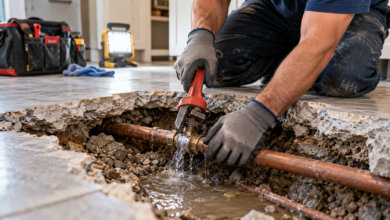
If leaking pipes or defective drainage are contributing to movement, repairing the leak may address the underlying cause. A drainage specialist may need to inspect underground pipework and confirm that water is no longer escaping.
Improving surface drainage may also help where water is collecting beside the building. Changes should be designed carefully to avoid redirecting water towards neighbouring properties or undermining existing foundations.
Underpinning and Specialist Structural Repairs
Underpinning strengthens or extends support beneath existing foundations. It may be considered when investigations show that the foundation cannot adequately support the building in its current condition.
Other engineered solutions may include local foundation reconstruction, ground improvement or specialist reinforcement. The appropriate method depends on the cause and the results of the investigation.
Underpinning can be expensive, disruptive and technically complex. It is not automatically necessary whenever a cracked foundation appears, and the decision should follow a proper assessment rather than a contractor’s visual estimate alone. RICS advises that less intrusive measures may resolve some subsidence problems, depending on their cause.
What Should You Avoid Doing?
When structural movement is possible, avoid repairs that hide symptoms without addressing their cause.
-
Do not cover a widening crack with filler and assume the problem is resolved.
-
Do not excavate beneath the foundation yourself.
-
Do not cut, drill or remove structural concrete or masonry without professional guidance.
-
Do not remove large trees or substantially alter drainage without considering their effect on the ground.
-
Do not ignore sudden movement, falling masonry or a visibly unstable wall.
If there are large or rapidly developing cracks, sagging structural elements, loose masonry or signs that part of the building could collapse, keep people away from the affected area and seek urgent professional assistance. If collapse appears imminent, leave the building and contact the relevant emergency service.
How to Prevent Future Foundation Problems
Not every foundation crack can be prevented, but regular maintenance can help reduce avoidable risks.
Maintain drainage systems. Repair leaking pipes, keep gutters and downpipes functioning, and make sure rainwater is discharged appropriately.
Manage vegetation carefully. Consider mature trees and large shrubs when assessing soil movement. Obtain specialist advice before removing established trees close to a property.
Inspect your property periodically. Check external brickwork, internal walls, floors and window frames for new or changing signs of movement, especially after significant weather changes or nearby building work.
Use qualified professionals. Extensions, structural alterations and major renovations should account for the existing foundation design and ground conditions.
Keep records. Photographs, inspection reports and repair documents can help future professionals understand the property’s history and determine whether a problem is recurring.
Older stone and brick properties may behave differently from modern concrete-framed or slab-founded buildings. For historic homes, seek advice from a professional familiar with traditional construction before undertaking invasive repairs.
How Much Does Foundation Repair Cost?
The cost of repairing a cracked foundation varies according to the cause, building type, location, accessibility and amount of work required.
A minor repair to a stable crack may cost considerably less than investigating ongoing subsidence or carrying out major foundation reconstruction. Professional fees, drainage repairs, ground investigations and temporary accommodation can also affect the total.
There is no reliable single price that applies across Europe. Labour costs, construction methods and local requirements differ between countries and regions.
Before approving expensive work, request a written assessment explaining the suspected cause, proposed repair method, necessary investigations and any follow-up monitoring. If you have buildings insurance, check whether it covers subsidence, investigation or structural repairs. Notify your insurer promptly when the damage may be covered, and follow its requirements before commissioning major work.
(FAQs)
Is a cracked foundation always serious?
No. Some cracks develop through shrinkage or minor settlement and remain stable. Others indicate structural movement, water-related damage or inadequate ground support. The crack’s pattern, location, progression and associated symptoms determine how urgently it needs professional assessment.
Can I repair a cracked foundation myself?
Minor, stable, non-structural cracks may sometimes be repaired after their cause has been established. Structural cracks, active movement, significant water penetration and uncertain damage should be assessed by a suitably qualified professional before any repair work begins.
When should I worry about foundation cracks?
Be particularly concerned about cracks that widen rapidly, appear suddenly, run horizontally through structural masonry or occur with sloping floors, sticking doors or falling material. Seek prompt professional advice rather than relying on width alone to judge safety.
Can heavy rain cause foundation cracks?
Heavy rain can contribute to problems when drainage is inadequate, water collects near foundations or leaking pipework affects the ground. The effect depends on the soil and foundation design. Rainfall alone does not prove that a crack is structural.
Does every cracked foundation need underpinning?
No. Underpinning is only one possible treatment. Some problems can be addressed by repairing leaks, correcting drainage or carrying out another suitable engineered repair. The solution should follow an investigation into the cause and extent of the movement.
Will home insurance cover a cracked foundation?
Coverage depends on your policy, the cause of the damage and the insurer’s terms. Some policies cover certain subsidence-related damage but exclude other causes or impose specific conditions. Review your policy and contact your insurer before arranging major repairs.




One Comment