Cracked Foundation: Causes, Warning Signs and How to Fix It
A cracked foundation can be worrying, particularly when cracks appear in exterior brickwork, basement walls or floors. However, not every crack means a house is structurally unsafe. Some develop as building materials shrink or respond to temperature changes, while others indicate movement in the ground beneath the property.
The key is to understand the location, shape, width and progression of the damage rather than judging it by appearance alone. A cracked foundation may be associated with leaking drains, changes in soil moisture, inadequate ground support or natural settlement. Identifying the underlying cause is essential because filling the visible gap will not necessarily prevent it from returning.
This guide explains the common warning signs, practical monitoring methods, repair options and professional support available to homeowners, landlords and property managers across Europe.
What Is a Cracked Foundation?
A foundation supports a building and transfers its weight into the ground. It may consist of concrete footings, reinforced concrete slabs, masonry or other systems appropriate to the building and soil conditions.
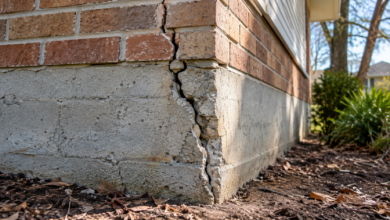
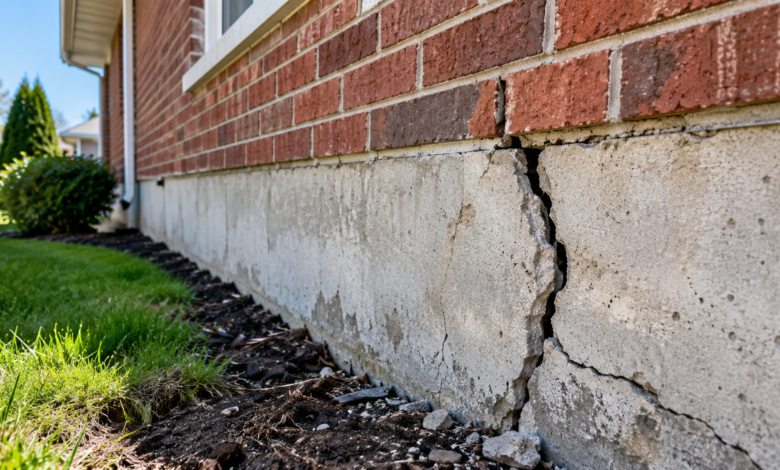
A cracked foundation is a fracture in one of these supporting elements. Its significance depends on the construction material, the crack’s pattern and whether the structure is still moving.
Small, stable cracks can sometimes result from concrete shrinkage or ordinary material movement. More concerning cracks may develop when one part of the building settles differently from another, placing stress on walls, floors and foundations.
Historic European properties require particular care because older buildings may have shallow foundations, traditional masonry or construction details that differ considerably from modern homes. Advice suitable for a modern concrete building may not be appropriate for a historic stone house.
Common Causes of Foundation Cracks
Understanding the cause is the first step towards choosing an effective repair.
1. Soil movement and subsidence
Soil can change volume as its moisture content changes. Clay-rich ground is particularly sensitive to drying and rehydration. During dry weather, some clay soils shrink, potentially reducing support beneath a foundation. Other ground conditions can cause settlement through compression or changes in groundwater.
Subsidence occurs when the ground beneath a building moves downwards and compromises its support. Uneven movement can place stress on walls and produce diagonal or stepped cracks.
2. Water leaks and poor drainage
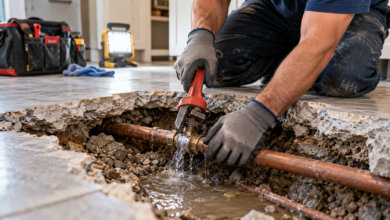
Leaking water mains, damaged underground drains and defective rainwater pipes can alter the ground beneath a property. In certain conditions, flowing water may also carry away fine soil particles.
Blocked gutters and poorly directed roof runoff can saturate the ground next to exterior walls. Check that rainwater drains correctly and that visible pipes are not leaking.
Historic England identifies leaking drains, nearby trees, clay soils and excavation work among the factors that can contribute to structural movement.
3. Construction defects and settlement
New buildings can experience some initial settlement as the ground and construction materials adjust to their loads. Poorly prepared ground, unsuitable foundation design or inadequate workmanship can create more significant problems.
Extensions can also move differently from existing buildings because they may have different foundations, loading conditions or soil support.
4. Nearby trees and vegetation
Trees absorb water through their roots. On susceptible clay soils, this can contribute to ground shrinkage near a building. However, a nearby tree does not automatically mean that it is causing damage.
Removing an established tree can also change soil moisture and lead to ground movement in some circumstances. Obtain professional advice before removing trees suspected of affecting the foundations.
Warning Signs of a Cracked Foundation

A cracked foundation may produce several visible changes around a property. No single sign confirms the cause, but a combination of symptoms deserves closer attention.
Look for the following:
-
Diagonal or stepped wall cracks: Fractures may follow mortar joints in brickwork or run diagonally from the corners of doors and windows.
-
Widening cracks: Changes in width over time can indicate continuing movement.
-
Sticking doors and windows: Frames may become distorted as parts of a building move.
-
Uneven or sloping floors: A noticeable change in floor level may accompany differential settlement.
-
Cracks on both sides of a wall: Matching damage inside and outside can warrant structural investigation.
-
Separating extensions: Gaps where an extension joins the original building may reflect differential movement.
A cracked foundation is more concerning when several of these signs appear together or when damage develops rapidly. Historic England advises seeking a structural engineer experienced with older buildings when ongoing movement is suspected.
Crack width alone is not a reliable diagnosis. A narrow crack can still deserve investigation if it is growing or accompanied by distortion, while a wider old crack may have remained stable for years.
How to Check Foundation Cracks Safely

If you notice a cracked foundation or a possible related wall crack, start by documenting the condition rather than attempting an immediate repair.
Step 1: Record the location
Note whether the crack appears in an exterior wall, basement, concrete slab or internal partition. Record its position relative to corners, windows, doors and visible drainage pipes.
Step 2: Photograph the damage
Take clear photographs from the same position and include a ruler or suitable measuring scale. Record the date and approximate width so future changes can be compared.
Step 3: Look for related symptoms
Check for new gaps around frames, sloping floors, water leaks, damp patches and cracks on adjoining walls. Do not excavate around the foundations or remove structural materials to investigate them yourself.
Step 4: Monitor changes when safe
If the crack is minor, stable in appearance and there are no other warning signs, periodic photographs and measurements may help establish whether it changes. Professional monitoring devices, sometimes called crack monitors or tell-tales, can provide more systematic measurements.
Do not delay professional assessment to complete a monitoring period if the crack is growing rapidly, the wall is bulging, the structure is visibly distorted or there are other signs of instability.
How to Repair a Cracked Foundation

The appropriate treatment depends on the cause, foundation type, severity and whether movement is ongoing. Repairing the visible damage without addressing its cause can lead to recurring cracks.
Minor, stable cracks
Where an assessment establishes that a crack is non-structural and stable, a suitable repair may involve filling the gap with a compatible repair material and restoring the surface finish.
The repair method must suit the substrate. Materials appropriate for modern concrete may be unsuitable for traditional lime-based masonry, particularly in older European properties.
Concrete crack injection
Specialist contractors may use resin or other injection systems to seal certain cracks in concrete. The choice depends on the crack’s purpose, moisture conditions and structural significance.
Injection is not a universal solution. It may seal a suitable crack, but it will not correct unstable ground or inadequate foundation support by itself.
Drainage and water management
If leaking pipes or defective drainage are contributing to the problem, repairing the leak and correcting water discharge may be part of the solution. The extent of any additional work depends on the condition of the soil and structure.
Underpinning and foundation stabilisation
Underpinning extends or modifies the support beneath existing foundations. Other engineered stabilisation methods may be suitable in particular ground conditions.
These are substantial construction works, not routine DIY repairs. Underpinning requires careful design, sequencing and safety measures because poorly executed work can damage a building or cause collapse. Building regulations apply to underpinning in Wales, and requirements differ across European jurisdictions.
Before approving expensive work, ask for a written explanation of the identified cause, proposed repair method, necessary approvals and any monitoring required afterwards.
How Much Does Foundation Repair Cost?
The cost of repairing a cracked foundation varies considerably between European countries and individual properties. Labour rates, access, foundation depth, soil conditions, materials and the extent of structural damage all affect the final price.
A small cosmetic repair may require limited work, while drainage replacement, specialist concrete repairs or underpinning can involve substantial investigation and construction costs.
For an informed estimate, request an assessment before accepting a quotation. Where major work is proposed, consider obtaining an independent structural engineer’s opinion and comparing detailed quotations on the same scope of work.
Insurance cover also varies. Check the policy wording and notify your insurer promptly if you suspect subsidence or significant structural movement. Do not assume that all foundation damage is covered.
How to Prevent Further Foundation Damage
Not every foundation problem can be prevented, but routine property maintenance can reduce certain risks.
-
Keep gutters and downpipes clear and repair leaks promptly.
-
Check accessible drainage for signs of blockage, leakage or discharge beside the building.
-
Direct rainwater away from foundations using a suitable drainage arrangement.
-
Avoid unauthorised excavation or changes to ground levels close to the house.
-
Seek advice before removing mature trees near buildings on shrinkable clay soils.
-
Inspect existing cracks periodically and keep dated photographs.
-
Arrange professional inspections if new structural symptoms develop.
For older houses, maintenance should respect the original building materials and construction methods. Excessively rigid repairs or inappropriate waterproofing can create additional problems in traditional masonry.
When Should You Call a Structural Engineer?
Arrange a professional assessment when a cracked foundation is widening, appears alongside distorted openings, affects several connected areas or follows flooding, nearby excavation or suspected drainage failure.
Seek urgent advice if cracks appear suddenly and rapidly increase, walls bulge or lean, floors change noticeably, or structural elements seem unstable. Keep people away from visibly dangerous areas and contact the appropriate local emergency or building-safety authority if collapse appears possible.
Renters should report significant cracking to their landlord or property manager in writing, include dated photographs and retain copies of communications. Owners of flats should also notify the building manager or relevant owners’ association if shared structural elements may be involved.
The right professional depends on the problem. A structural engineer can assess stability and recommend a repair strategy, while a building surveyor or drainage specialist may help investigate related defects.
Frequently Asked Questions
Is a cracked foundation always serious?
No. Some cracks result from material shrinkage or historic movement that has stopped. Growing cracks, structural distortion and several related symptoms are more concerning and should be assessed professionally.
What does a diagonal foundation crack mean?
A diagonal crack can indicate uneven movement, but it may also have other causes. Its direction, location, progression and relationship to nearby doors, windows and foundations all help determine its significance.
Can I repair a cracked foundation myself?
Only minor, confirmed non-structural surface damage should generally be considered for routine DIY repair. Do not fill or conceal a potentially structural crack before its cause has been assessed.
How can I tell whether foundation cracks are getting worse?
Take dated photographs and record measurements from consistent positions. Compare the results over time, but seek professional advice immediately if the damage is progressing rapidly or the building appears distorted.
Does home insurance cover a cracked foundation?
Coverage depends on the insurer, policy exclusions, the cause of the damage and local insurance terms. Contact your insurer if structural movement is suspected and ask what inspections or evidence are required.
Can a house remain safe with a cracked foundation?
Some properties with stable cracks remain safe to occupy, but safety cannot be established from crack appearance alone. A qualified professional should assess significant or progressive damage, especially when walls, floors or openings are also distorted.