Home Cleaning & Care
Mold Removal: 7 Proven Ways to Remove Mold and Prevent It from Coming Back
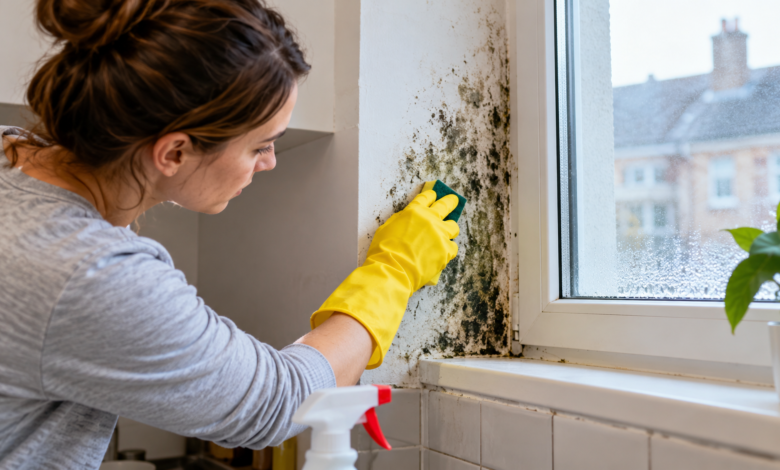
Mold on walls, ceilings, window frames, or bathroom grout is more than a cleaning problem. It usually indicates excess moisture, poor ventilation, condensation, or a leak that needs attention. Effective Mold Removal involves cleaning the affected surface and correcting the conditions that allow fungal growth to return.
You can often clean small patches on suitable, hard surfaces using an appropriate mold-removal product and the manufacturer’s instructions. However, widespread growth, recurring damp patches and mould hidden behind wallpaper or flooring may require professional investigation.
This guide explains seven practical ways to remove mould, identify its underlying cause and protect your home. This advice suits homeowners and renters across Europe, although building conditions, local requirements, and landlord responsibilities differ by country.
1. Identify the Cause Before Starting Mould Removal
Before cleaning, investigate why mould has developed. Removing visible growth without controlling moisture usually provides only temporary results.
Common causes include:
- Condensation: Warm, moisture-laden indoor air meets cold windows, walls or ceilings.
- Leaking pipes: Water escapes from plumbing, radiators or heating systems.
- Roof and gutter problems: Damaged tiles, blocked gutters or defective flashing allow rainwater inside.
- Poor ventilation: Moisture from cooking, showering and drying laundry remains indoors.
- Building defects: Damaged external walls, failed seals, or other defects can let water in.
Look for patterns. Black spots around windows during winter may indicate condensation, while a spreading stain beneath a bathroom or roof may suggest a leak. A persistent musty smell without visible growth can indicate hidden mould.
Photograph the affected area and check whether it becomes larger after rain, showering, or colder weather. If the source is unclear, arrange a suitable inspection before undertaking extensive repairs.
2. Clean Small Patches with a Suitable Mould Remover
For limited growth on hard, non-porous surfaces, a cleaning product specifically intended for mould and mildew is generally a practical choice. Suitable surfaces may include window frames, glazed tiles and some bathroom fittings.
For safer Mold Removal, follow these steps:
- Read the product label and check that the cleaner suits the surface.
- Ventilate the room by opening a window where possible, while avoiding airflow that spreads contamination into other rooms.
- Wear suitable protective gloves and eye protection. Follow the product instructions on respiratory protection.
- Apply the product as directed, and do not mix it with other cleaners.
- Remove the growth using the recommended cleaning method and allow the surface to dry completely.
Avoid vigorous dry brushing or ordinary vacuuming over visible mould because these actions can disperse spores. Keep children and pets away during cleaning, and follow the product’s instructions on room access.
Never mix bleach with vinegar, ammonia, toilet cleaner or other cleaning products. Dangerous gases can form. UK government guidance recommends using suitable mould and mildew products instead of bleach for health and safety reasons. Source: GOV.UK guidance on damp and mould.
3. Remove Mould from Walls, Ceilings and Grout Correctly
Different materials require different treatment. A cleaning method that works on glazed tiles may damage painted plaster, wallpaper or other absorbent finishes.
Painted walls and ceilings
Check the paint and surface condition before applying a cleaner. Clean only if the affected area is small, the surface is sound, and the product is suitable. Do not saturate plasterboard or repeatedly wet damaged plaster.
If the paint is bubbling, the plaster is crumbling or mould returns quickly, investigate the moisture source before repainting. Ordinary paint does not solve a damp problem.
Bathroom tiles and grout
Tiles are relatively easy to clean, but grout can retain moisture and organic residue. Use a suitable product, follow its contact-time instructions, and dry the area afterward.
Damaged or persistently moldy sealant may need replacing once you fix the underlying moisture issue. If water has penetrated behind the tiles, surface cleaning alone will not resolve it.
Carpets and other absorbent materials
Mould can penetrate carpets, upholstery, wallpaper and ceiling tiles. These materials may be difficult or impossible to clean thoroughly once contaminated. Professional assessment or disposal may be necessary, especially after flooding or prolonged dampness.
Successful Mold Removal depends on the material, the extent of growth, and whether moisture has reached concealed layers.
4. Improve Ventilation in Kitchens and Bathrooms
Ventilation helps remove the moisture produced by everyday household activities. Without adequate airflow, water vapor can settle on cold surfaces and create conditions for mould growth.
Use bathroom extractor fans during showers and for the recommended period afterward. In kitchens, operate an effective extractor hood when cooking, especially when boiling water or generating steam.
Other useful habits include:
- Open windows periodically when outdoor conditions allow.
- Keep trickle vents open and unobstructed where fitted.
- Clean extractor fan grilles and maintain ventilation systems according to their instructions.
- Close the bathroom door during showers to limit moisture spreading through the home.
- Cover pans when cooking to reduce unnecessary steam.
The UK government’s ventilation guidance explains that trapped indoor moisture can cause condensation and mould, especially when walls and windows are cold. Read the official ventilation guide.
Ventilation requirements differ between buildings. Older homes, flats and energy-efficient new builds may need different approaches, so avoid blocking vents or making changes that compromise an existing ventilation system.
5. Control Indoor Humidity and Condensation
Reducing condensation is one of the most useful long-term steps after Mold Removal. Indoor humidity rises through breathing, cooking, bathing, and drying clothes. When moist air meets a cold surface, it forms water droplets.
A digital hygrometer can help you monitor relative humidity. As a practical target, aim for about 40–60% relative humidity where achievable, but recognize that ideal levels depend on temperature, outdoor conditions, and the building.
To reduce excess moisture:
- Dry laundry outdoors when practical, or in a well-ventilated room.
- If drying indoors, provide ventilation and consider a dehumidifier.
- Wipe heavy condensation from windows and frames.
- Leave a small gap between furniture and cold external walls.
- Keep air moving around wardrobes and beds.
- Use heating consistently when practical, rather than letting rooms stay persistently cold.
A dehumidifier can help manage moisture but can’t fix a leaking roof, a defective pipe, or a structural damp problem. Similarly, condensation-control habits should complement—not replace—necessary building repairs.
6. Repair Leaks, Damp Areas and Building Defects
If mould returns despite cleaning, look beyond the visible patch. Long-lasting results require fixing the moisture source.
Check for dripping pipe joints, leaking radiators, damaged window seals, blocked gutters and roof defects. Water stains, peeling wallpaper, soft plaster and persistent damp patches may indicate a problem that needs professional attention.
Do not undertake roof repairs from an unsafe ladder or disturb potentially contaminated building materials. Hidden mould behind walls, flooring or fitted furniture may require a specialist to determine the extent of the damage.
For renters, report recurring mould and suspected leaks to the landlord or letting agent in writing. Include photographs, dates and details of any water damage. Request investigation of the underlying cause rather than simply another surface clean.
Landlord obligations differ across Europe. In England, official government guidance says housing providers should address the causes of damp and mould, including building defects and inadequate ventilation, rather than relying on surface cleaning alone.
Prompt repairs make Mold Removal more effective and help prevent further damage to plaster, timber, furnishings and other building materials.
7. Prevent Mould from Returning with Regular Maintenance
Once the affected area is clean and dry, establish a simple routine to identify new moisture problems early.
Weekly: Check bathroom corners, window frames and other surfaces that frequently collect condensation. Keep wet areas dry and ensure extractor fans are working.
Monthly: Inspect cupboards against external walls, look for musty smells and check visible plumbing for leaks. Clean ventilation grilles when required.
Seasonally: Inspect accessible gutters, window seals and visible roof areas from a safe position. Before winter, check that heating and ventilation systems operate correctly.
After cleaning, inspect the affected area over the following weeks. Recurring spots suggest moisture control or repairs are still incomplete.
For successful mold removal, remember that prevention isn’t just about cleaning more often. It means keeping building materials dry, maintaining adequate ventilation, and promptly correcting defects.
For more insights, read our previous article: How to remove wallpaper glue.
When Should You Call a Professional?
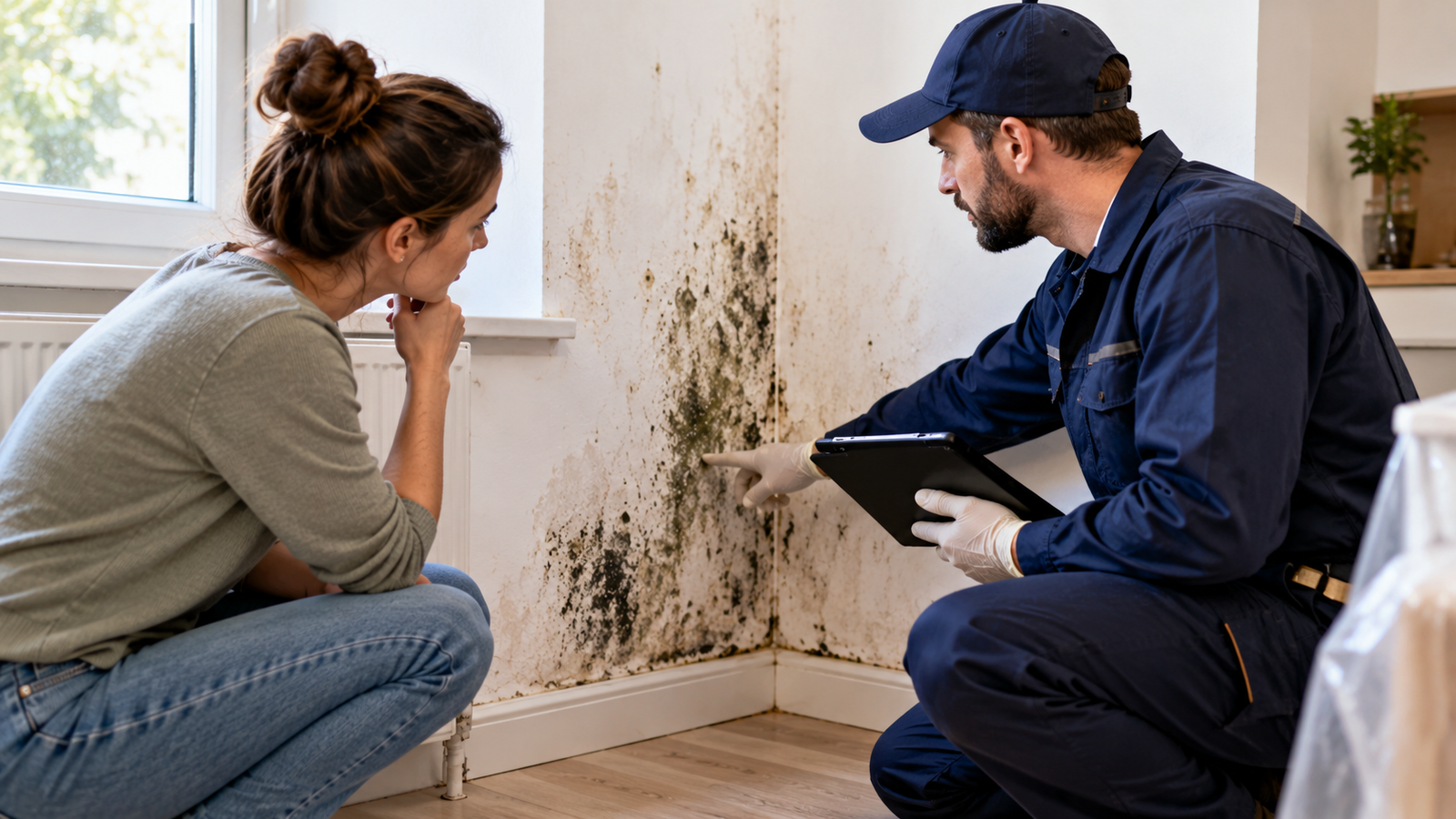
Seek professional advice when mould covers a large area, repeatedly returns, follows flooding or appears to extend behind walls, ceilings or flooring. Also seek help if the cause of damp is uncertain or the affected materials are deteriorating.
People with asthma, significant allergies, weakened immune systems and other relevant health conditions may face greater health risks from damp and mould exposure. Children and older adults can also be more vulnerable. Consider avoiding the affected area and seeking appropriate advice if exposure is a concern.
Do not delay investigating persistent musty odors, extensive water damage or suspected hidden growth. Surface cleaning is not a substitute for a proper assessment.
Frequently Asked Questions
What is the most effective way to remove mould from walls?
For a small patch on a suitable, sound surface, use an appropriate mold-removal product as directed on the label, then dry the area completely. Identify and correct the moisture source to prevent recurrence.
Does vinegar remove mould permanently?
Vinegar may affect some types of mould, but it isn’t a reliable, universal solution for every surface or infestation. Choose a product suitable for the material and address the underlying moisture problem.
Can I paint over mould?
No. Painting directly over mould can conceal visible growth without resolving the cause. Clean or remediate the affected area, allow it to dry, and fix any damp problems before considering suitable redecorating.
Why does mould keep coming back after cleaning?
Recurring mould usually means moisture remains uncontrolled. Common reasons include condensation, insufficient ventilation, leaks, cold surfaces, or hidden damp materials. Investigate the cause rather than repeatedly cleaning the same patch.
Is black mould dangerous in a home?
Color alone can’t tell you which mould species is present or how hazardous it is. However, damp and mould exposure can cause health problems, including respiratory symptoms and worsening asthma. Address visible growth promptly and seek professional help when appropriate.
How can I prevent mould in a rented flat?
Use available ventilation, manage indoor moisture, and report leaks or recurring damp promptly to your landlord or letting agent. Keep photographs and written records. If the problem persists, check the relevant housing guidance for your country.