Home Maintenance
Drain Tile: What It Is, How It Works and When Your Home May Need It
Example: intercept water before it pools around the foundation and creates persistent moisture problems. This system is not a substitute for every waterproofing measure. Foundation cracks, defective waterproofing, poor grading, and plumbing leaks may need different solutions.
Where Is Drain Tile Installed?
Exterior foundation drainage
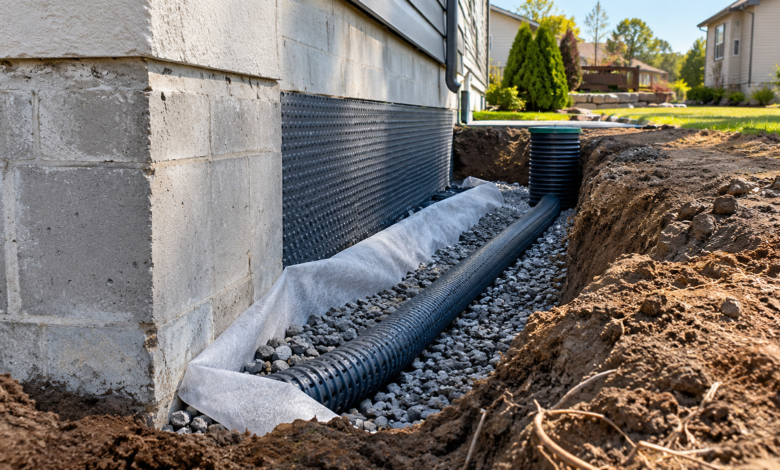
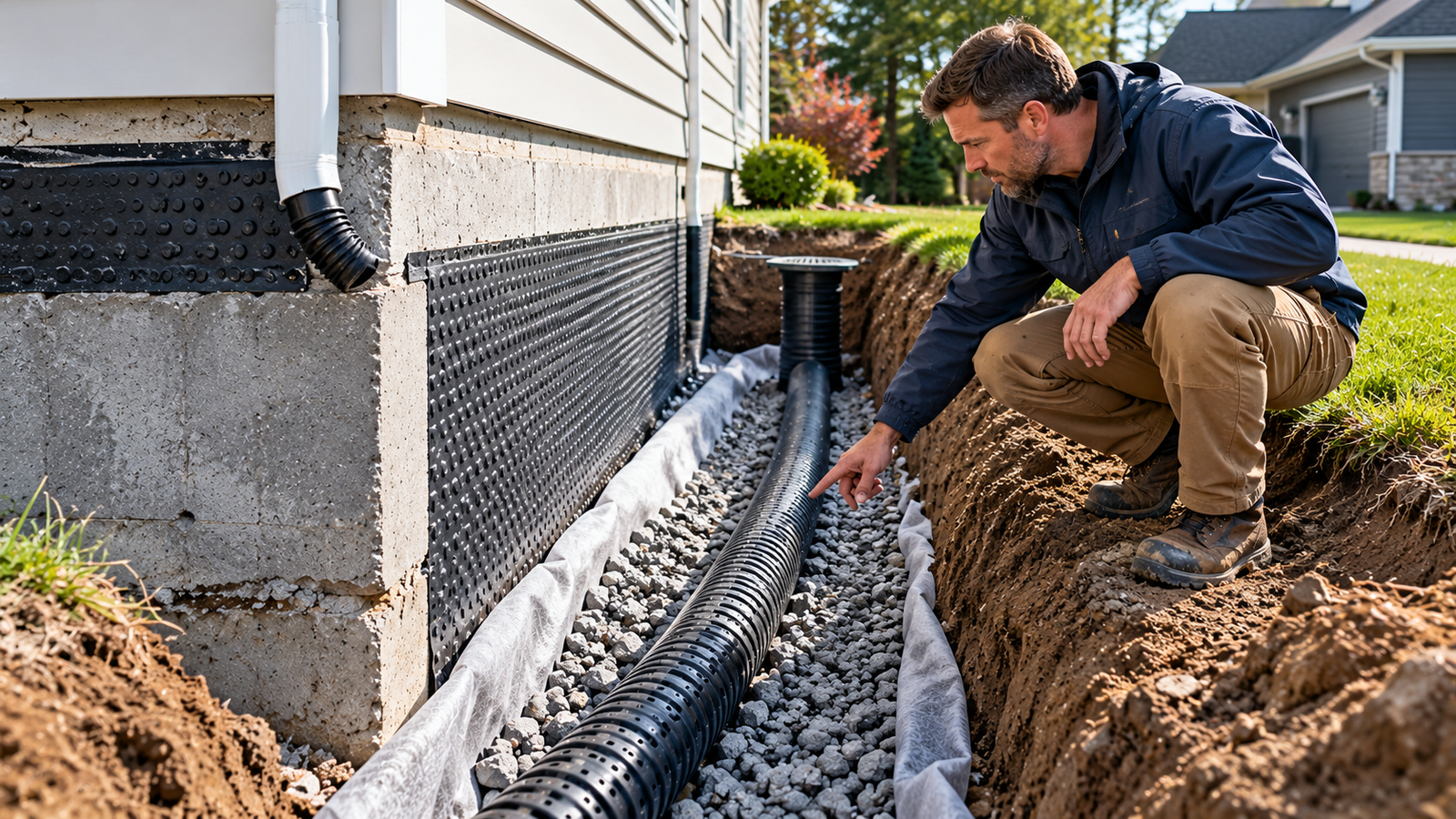
Exterior foundation drainage is normally installed alongside the foundation footing during construction or major excavation. Because it sits outside the foundation, it can intercept groundwater before that water reaches the foundation wall.
Exterior work can be disruptive because you may need to remove soil, paving, or planting. Excavation close to a foundation requires careful planning, so you should normally assess suspected drainage failure before digging begins.
Interior perimeter drainage
In suitable circumstances, you can install an interior system along the inside perimeter of a basement or below the floor. Collected water is commonly directed towards a sump pit. This approach can be useful when exterior excavation is impractical, but it isn’t the best choice for every building.
The right arrangement depends on the water source, foundation construction, access, drainage routes and local requirements.
Signs Your Foundation Drain May Have a Problem
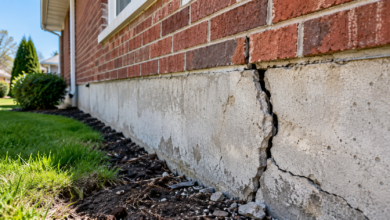
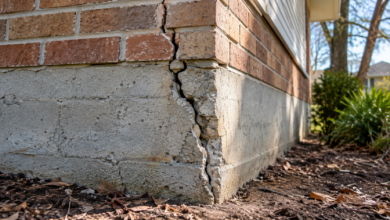
A drainage system can become less effective due to blockages, damaged pipework, poor discharge arrangements, settlement, or changes in the surrounding site. Warning signs can include:
- Repeated water appearing near basement walls or the floor perimeter.
- Persistent dampness or musty conditions after wet weather.
- White mineral deposits, known as efflorescence, on masonry or concrete.
- Standing water around the foundation after rain.
- A sump system that runs unusually often or cannot keep up with incoming water.
- Moisture problems that return even after you seal a crack or wall surface.
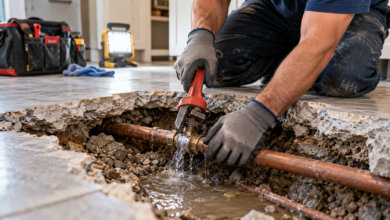
Blocked gutters, poorly directed downpipes, poor grading, or plumbing leaks can also introduce water near a foundation, so diagnose before replacing.
Drain Tile vs French Drain: Are They the Same?
The terms are often used loosely, but context matters. A foundation drain or drain tile is intended to manage water around the foundation. At the same time, a French drain can also refer to a shallower trench drainage system used to intercept surface or near-surface water in a garden, driveway, or other area.
Both systems may use perforated pipe, aggregate, and filter fabric so that they can look similar. The difference is mainly their location and drainage objective, not the basic idea of moving water through a permeable trench. A homeowner should therefore describe the actual problem and location rather than assume that any French drain is interchangeable with a foundation drainage system.
For more insights, read our previous article: how often to rotate tires
How to Maintain a Drain Tile System
Maintenance is mainly about protecting the wider water-management system around the house.
Keep gutters clear and make sure downpipes discharge appropriately away from the foundation. Check for areas where rainwater repeatedly collects. If your home has a sump pump, follow the manufacturer’s maintenance instructions and keep its discharge route functional.
Do not pour waste or aggressive chemicals into a drainage pipe because water appears to be moving slowly. If you suspect a blockage, inspection or professional cleaning may be safer than experimenting with chemicals or excavation.
For older properties, previous drainage records may show where pipework, a sump pit, or a discharge route was installed.
Can You Install Drain Tile Yourself?
A small drainage project in an open garden is not the same as excavating beside a foundation. Foundation excavation can involve deep digging, underground utilities, structural considerations, and local requirements. The drainage route also needs to end somewhere that can safely accept the collected water.
For those reasons, homeowners should be cautious about treating a foundation drain as a routine DIY trenching project. Before excavation, identify underground services and establish whether permits or inspections apply in your area. If water intrusion is severe, the foundation is damaged, excavation would be deep, or the drainage route is unclear, use a suitably qualified drainage, waterproofing or building professional.
In a European home, requirements can differ considerably between countries and municipalities. A solution suitable for a detached house in one location may not suit an apartment, historic building, or property with different drainage infrastructure.
When Does a Home Actually Need Drain Tile?
Not every damp basement requires a new drain tile system. Start by identifying the water source. Rainwater from a roof or paved area may be a surface-drainage problem. Condensation can be related to humidity and ventilation. A leaking pipe requires plumbing work. Groundwater entering around the foundation is a different problem.
A professional assessment is especially sensible when moisture is persistent, water enters during multiple rainfall events, the basement shows recurring seepage, or previous repairs have failed. The assessment should consider grading, gutters, downpipes, foundation walls, cracks, waterproofing, outlets, and any sump arrangement before recommending excavation.
The best drainage solution addresses the actual water pathway rather than simply installing more pipe.
Frequently Asked Questions
What is drain tile used for?
Drain tile collects subsurface water around a foundation and carries it to a suitable discharge point. It helps reduce water accumulation around the footing and can support a broader basement or foundation moisture-management system.
Is drain tile the same as a French drain?
Not always. The terms overlap because both can involve perforated pipe and aggregate. A foundation drain is specifically associated with managing water around a building foundation, while a French drain may be used for surface or shallow subsurface drainage elsewhere on a property.
Does drain tile need a sump pump?
Not necessarily. If the site allows reliable gravity drainage to a suitable outlet, you may not need a pump. If gravity discharge isn’t practical, you can route collected water to a sump pit and pump it out.
How do I know if drain tile is clogged?
Recurring basement seepage, standing water near the foundation, and persistent dampness can indicate a drainage problem, but they do not prove a blockage. Other causes include poor surface drainage, damaged waterproofing, and plumbing leaks. A professional inspection may be needed to identify the actual cause.
Can drain tile prevent basement flooding?
A properly designed and functioning system can help manage groundwater and reduce water pressure around a foundation, but it cannot guarantee a dry basement under every condition. Surface drainage, waterproofing, sump capacity, and the property’s water conditions also matter.
Is drain tile necessary in every house?
No. Whether a foundation drainage system is needed depends on the building design, soil and groundwater conditions, foundation type, site drainage, and local requirements. Consider a new system based on the property’s actual water-management needs rather than as a universal upgrade.