
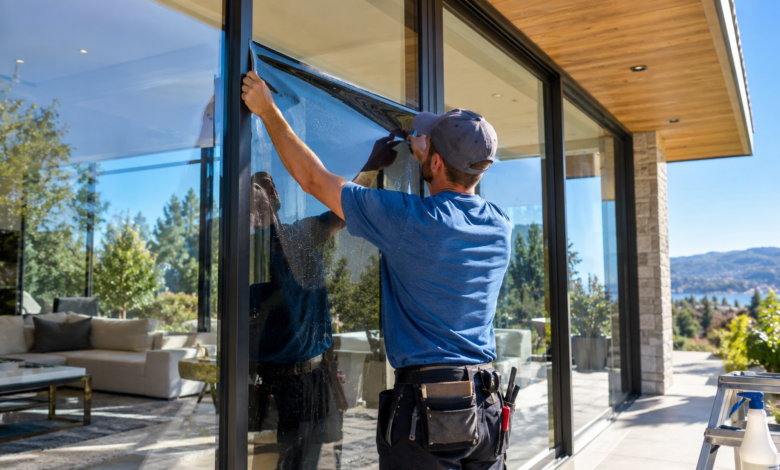
Window Tint Cost: What Homeowners Should Expect to Pay
Window tinting can make a home more comfortable by reducing glare, improving daytime privacy and limiting unwanted solar heat. However, the window tint cost depends on the type of film, the size and number of windows, the glazing specification and whether you install the film yourself or hire a professional.
In the UK, recent 2026 cost guides estimate professionally installed residential window film at around £60–£170 per square metre, while a typical window may cost £200–£400, depending on its size and the installation requirements. These are indicative UK prices, not fixed rates for every property.
For homeowners elsewhere in Europe, prices may differ because of local labour rates, taxes, product availability and installation practices. This guide explains the main price factors, compares different film types and helps you decide which solution suits your property.
How Much Does Window Tint Cost in 2026?
For UK homeowners, professionally fitted residential window film generally costs about £60–£170 per square metre, according to published 2026 cost estimates. A small job can have a higher effective price because the installer still needs to travel, prepare the glass and set up the equipment.
The following figures provide a starting point for budgeting.
| Window tinting option | Indicative UK cost |
|---|---|
| Professional installation per m² | £60–£170 |
| Average cost per window | £200–£400 |
| Medium conservatory project | £700–£1,500 |
| DIY film kit | Depends on product and coverage |
Sources: Checkatrade’s 2026 home window tinting cost guide and MyBuilder’s published pricing guide. Figures are estimates; check VAT, minimum charges and the precise work included in any quotation.
These prices are UK benchmarks rather than Europe-wide averages. A straightforward window in a ground-floor room may be less expensive to treat than a large conservatory, a high-level window or a difficult installation involving several different glass types.
Before comparing quotes, confirm whether the price includes the film, cleaning, surface preparation, fitting, finishing and any applicable VAT.
What Affects the Cost of Window Tinting?
Several factors determine the final quotation. Two homes with similar-looking windows can receive different prices because their glazing, access requirements and performance needs are not necessarily the same.
1. Window size and number
Larger panes require more material and may take longer to prepare and install. Bay windows, sliding glass doors and floor-to-ceiling glazing can also require more precise cutting.
Treating several windows in one visit may reduce the average cost per pane because travel and setup costs are shared. Ask whether the installer offers a whole-project price instead of charging separately for every window.
2. Type and quality of film
Basic decorative films and premium solar-control products serve different purposes. A film designed mainly for privacy may not provide the same heat-management performance as a specialist solar film.
Higher-specification products can cost more because of their construction, optical properties, durability or warranty conditions. The cheapest option is not automatically the best value if it fails to address the problem you want to solve.
3. Installation difficulty
Windows above ground level, awkward conservatory roofs and glass behind fixed furniture can require additional labour or access equipment. External films may also involve different installation conditions and maintenance requirements.
When evaluating window tint cost, ask the installer to explain any extra charges for difficult access, specialist preparation or removal of existing film.
4. Location and labour
Prices vary between UK regions and individual contractors. Similar differences occur across Europe, where labour costs, taxes and transport expenses vary by country.
For example, a quotation from a specialist in a major city may differ from one offered by a local installer in a smaller town. Obtain at least two or three comparable quotes before committing to a large project.
Comparing Different Types of Window Film
The right film depends on whether your priority is privacy, heat reduction, glare control or additional glass protection.

Solar-control film
Designed to reduce solar heat gain and glare. It can be useful for south- or west-facing rooms that become uncomfortable during sunny weather. Performance varies by product, glazing and installation position.

Privacy and frosted film
Often used in bathrooms, ground-floor rooms and windows overlooking neighbouring properties. Frosted film obscures the view in both directions while allowing light through, depending on its design.

Safety and security film
Designed to help hold glass fragments together if the glass breaks. It is not the same as burglar-proof glazing, and the level of protection depends on the complete system and its installation.

Decorative film
Available in patterned, frosted and translucent finishes. It can change the appearance of glazing without replacing the window, although more elaborate designs may require additional fitting time.
For a useful comparison, request quotations for the same film category and performance requirements. Otherwise, a cheaper quote may simply be offering a different product.
Is Professional Window Tinting Worth the Money?
Professional installation is often worthwhile when the windows are large, the glass specification is uncertain or the finish needs to look consistent across several panes.
A trained installer can check the glazing, recommend a compatible product and explain the manufacturer’s installation and warranty requirements. This is particularly useful for double-glazed windows, older properties and conservatories.
The benefits depend on the film selected:
-
Reduced glare: Useful for home offices, television rooms and bright living spaces.
-
Improved daytime privacy: Certain reflective films can make it harder to see inside during daylight, although privacy is not guaranteed at night.
-
Solar control: Appropriate products can reduce solar heat gain and improve comfort in sunny rooms.
-
Decorative changes: Frosted or patterned films can provide a different appearance without replacing the glazing.
However, window film is not a substitute for every other home improvement. It will not repair damaged seals, eliminate draughts or automatically provide the insulation performance of replacement glazing.
Before deciding whether the window tint cost represents good value, identify the main problem and check that the selected film addresses it.
Can You Install Window Tint Yourself?
DIY installation can be a reasonable option for small, accessible windows when using a product specifically intended for that application.
The material cost may be lower than professional fitting, but the finished result depends on careful preparation and accurate application. Dust, trapped air, creases and poorly cut edges can make the film look untidy.
For a basic project:
-
Measure the glass carefully and calculate the required film coverage.
-
Read the manufacturer’s instructions and confirm that the product suits your glass.
-
Prepare the surface using the cleaning method recommended by the manufacturer.
-
Apply the film as directed, working carefully to avoid trapped air and contamination.
-
Follow the stated drying and aftercare instructions before cleaning the window again.
Avoid attempting difficult installations at height or applying an unfamiliar solar-control film to double or triple glazing without compatibility advice.
Professional guidance is particularly important for large panes, coated glass, laminated glazing and windows with an unknown specification. Incorrect film selection can increase thermal stress and contribute to glass breakage.
Is Window Tint Safe for Double Glazing?
Window film can be suitable for double glazing, but not every film is compatible with every window.
Solar-control films may absorb or reflect additional solar energy, changing how heat builds up in the glass. Depending on the film and glazing construction, this can create thermal stress and increase the risk of cracking.
Before installation, provide the supplier with details about the glass, including whether it is double-glazed, triple-glazed, tinted, laminated or coated with a low-emissivity layer. Existing damage, pane dimensions, partial shading and nearby blinds can also affect suitability.
The Window Film Company provides a compatibility guide explaining why film selection must be matched to the glazing.
Do not cover visibly damaged glass. If the glazing specification is unknown, obtain advice from the film manufacturer or a qualified installer before purchasing the material.
How to Get an Accurate Window Tinting Quote
A reliable quotation should describe the work rather than simply provide a single price.
Give each installer the same information:
-
The number and approximate dimensions of the windows.
-
Whether the property has single, double or triple glazing.
-
The purpose of the film, such as privacy, glare reduction or solar control.
-
Whether the film will be installed internally or externally.
-
Any access difficulties or existing film that needs removing.
Ask for the product name, warranty details, installation costs and confirmation of whether VAT is included. You should also check whether the warranty requires professional fitting.
If you live in a rented flat, check your tenancy agreement and ask the landlord for permission where necessary. Leasehold properties, listed buildings and homes in conservation areas may also have restrictions on visible exterior alterations. Requirements depend on the country and property, so confirm local rules before proceeding.
Comparing like-for-like quotations is the most dependable way to assess the window tint cost for your home. A clear specification also reduces the risk of paying for a product that does not deliver the privacy or solar performance you expected.
(FAQs)
What is the average window tint cost per square metre in the UK?
Published 2026 UK estimates put professional residential window film installation at approximately £60–£170 per square metre. The final price depends on the product, glazing, labour and installation difficulty. Request a local quotation to establish the cost for your property.
Is window tint cheaper than replacing windows?
Applying film is generally a smaller project than replacing an entire window, but the two options solve different problems. Film may improve privacy or solar control, while replacement may be necessary for damaged glazing or failed sealed units. Compare the required outcomes rather than price alone.
Does window tint reduce heat inside a house?
Suitable solar-control film can reduce the amount of solar energy entering through glazing. The actual result depends on the product, window orientation, existing glass and local sunlight. Privacy film does not necessarily offer meaningful heat reduction.
Can I apply window film to double-glazed windows?
Yes, some films are designed for double glazing, but compatibility must be checked first. An unsuitable film can increase thermal stress and contribute to glass damage. Consult the manufacturer or a qualified installer before choosing a product.
Does window tint provide privacy at night?
Reflective window film does not guarantee nighttime privacy. When indoor lighting is brighter than outdoor lighting, people outside may be able to see into the room. Frosted film or suitable blinds provide a more dependable way to obscure views after dark.
How can I reduce window tinting costs?
Compare several itemised quotations, consider treating multiple windows in one visit and select a film that matches your actual needs. DIY fitting may reduce labour costs on small, suitable windows, but professional installation is worth considering for complex glazing or specialist solar-control products.


2 Comments