Water in Crawl Space: Causes, Solutions and Prevention
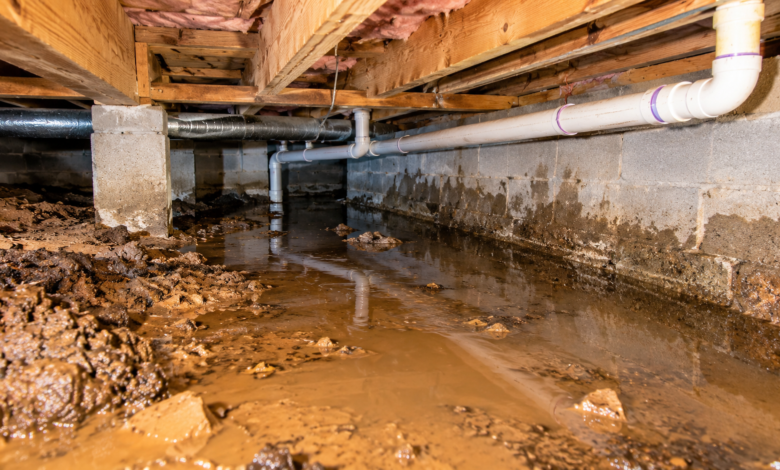
Water in crawl space areas can indicate anything from a blocked rainwater drain to a leaking pipe or rising groundwater. A crawl space is the low, accessible area beneath the ground floor of a building, commonly found in some houses with suspended timber floors. Although it is often hidden from view, moisture beneath a property can affect floor joists, insulation, indoor air quality and the durability of building materials.
The right solution depends on where the water comes from. A plumbing leak requires a different repair from rainwater entering through foundation walls or groundwater rising beneath the building. Removing visible water without addressing its source usually leads to recurring problems.
This guide explains how to identify the cause, what you can safely check, which drainage solutions may help and when professional assistance is necessary. The advice applies broadly to European properties, although construction methods, local drainage rules and building requirements differ between countries.
What Causes Water in Crawl Space Areas?
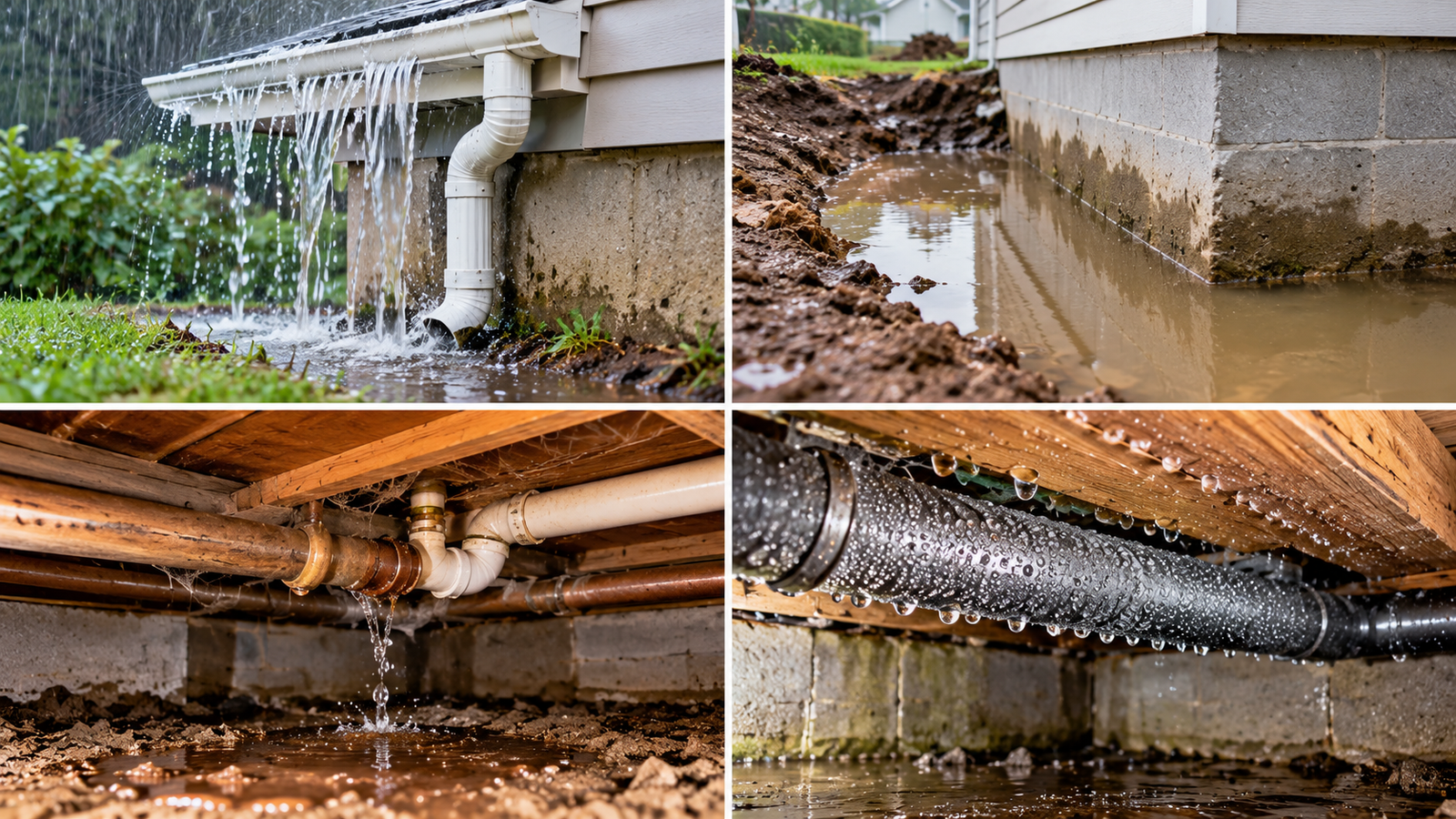
The most common causes are poor exterior drainage, leaking plumbing, heavy rainfall, groundwater seepage and condensation. Identifying the source before starting repairs prevents unnecessary spending and reduces the risk of damage returning.
1. Poor gutter and downpipe drainage
Blocked gutters and leaking downpipes can release large amounts of rainwater beside the foundations. If the ground slopes towards the house, water may collect against the foundation and eventually enter the crawl space.
Check whether gutters overflow during rainfall, downpipe joints leak or water gathers beside exterior walls. Downpipes should discharge into a suitable drainage system or another lawful, appropriate outlet rather than allowing water to pool near the building.
2. Groundwater and heavy rainfall
Some properties experience seasonal groundwater changes, particularly after prolonged rain or during periods of high water tables. Water can rise through the ground or enter through gaps, joints and permeable foundation materials.
If water appears after storms or during wet winter months, groundwater or surface runoff may be responsible. Water that persists even during dry weather may indicate a high water table, a concealed leak or an ongoing drainage problem.
3. Leaking pipes and drains
Water supply pipes, heating pipes and waste pipes can leak beneath a suspended floor. Even a small leak can keep soil, timber and insulation damp for an extended period.
Look for localised wet patches, dripping pipe joints, unusual water consumption or water that continues to appear without rainfall. A drainage specialist may need to inspect underground waste pipes if a damaged drain is suspected.
4. Condensation and excess humidity
Not every moisture problem involves liquid water entering the building. Warm, humid air can condense on cold pipes, masonry, soil or timber surfaces.
This is particularly relevant in older European properties and buildings with poorly designed ventilation. Condensation usually appears as damp surfaces or droplets rather than a clearly defined pool, although prolonged moisture can contribute to timber decay and mould growth.
How to Identify the Source of Water in Crawl Space Areas
Before choosing a repair, establish when the water appears, where it collects and whether it is spreading.
Start with observations that do not require entering the space.
-
After heavy rain: Inspect gutters, downpipes, ground levels and visible exterior drains.
-
During dry weather: Consider plumbing leaks, damaged underground pipes or groundwater.
-
Near one wall: Look for leaking rainwater pipes, cracks, poor drainage or water entering through masonry.
-
Around cold pipes: Condensation may be contributing to the moisture.
-
Across a wide area: Consider groundwater, widespread seepage or a drainage system that cannot cope with the water volume.
Take photographs from a safe access point and record whether the problem changes with rainfall. A moisture meter or professional inspection may help distinguish damp building materials from a continuing leak.
Do not crawl into a flooded, confined or poorly ventilated space to investigate. Standing water can conceal sharp objects, contaminated waste, unstable ground, damaged electrical equipment and other hazards.
How to Fix Water in Crawl Space Problems
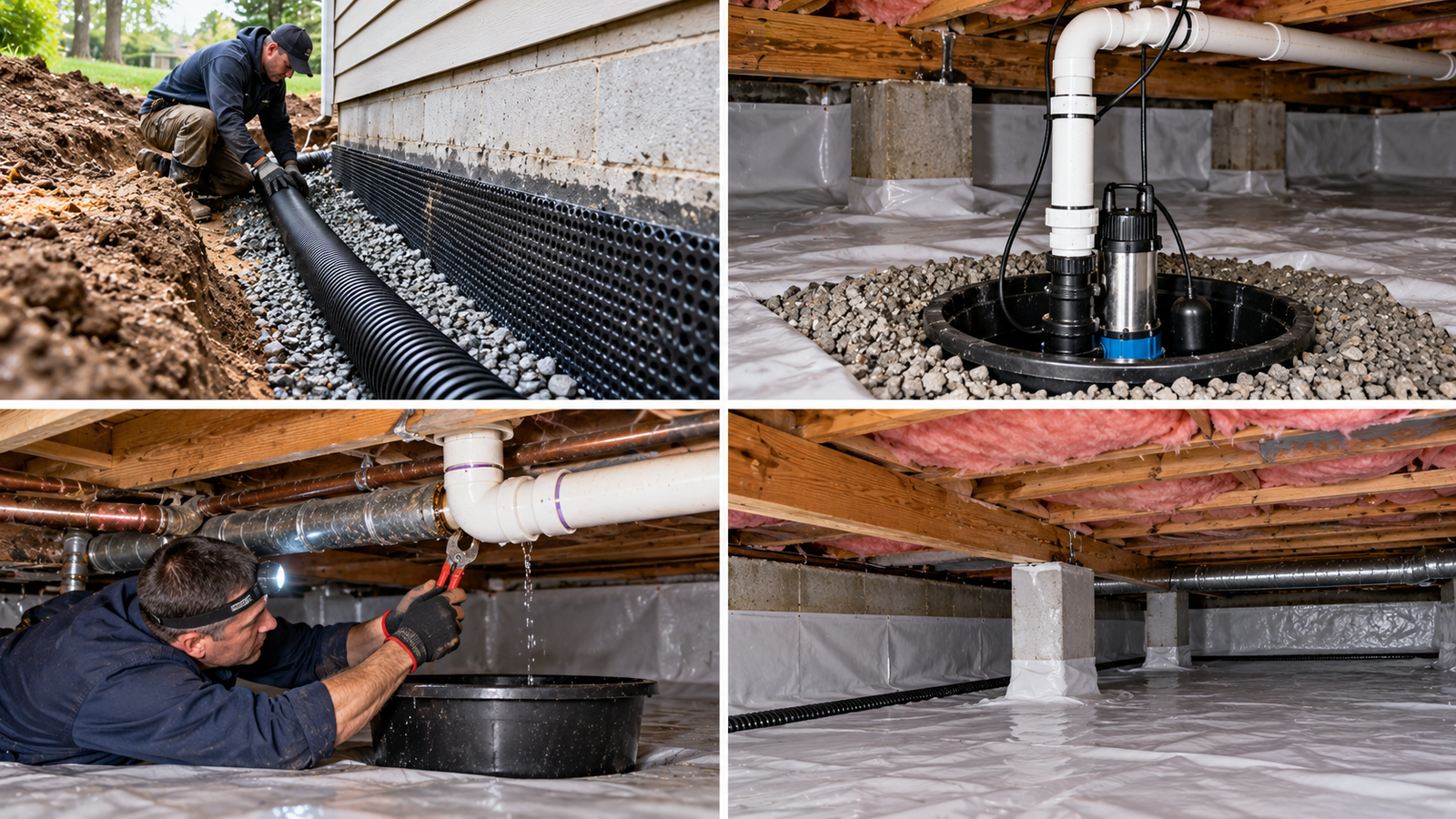
The most effective repair addresses the source of the water first. The following options cover common situations, but substantial flooding or structural damage requires professional assessment.
Improve exterior drainage
Begin with accessible maintenance. Clear leaves and debris from gutters, arrange repairs to leaking downpipes and check whether rainwater drains away from the building.
Where the surrounding ground directs water towards the foundations, a contractor may recommend regrading the soil or installing a suitable surface drainage channel. Buried drainage pipes may be necessary where surface measures cannot manage the water.
Before excavating, check for underground utilities and confirm that the proposed work complies with local requirements. Water must not be redirected onto neighbouring property or into an unsuitable drainage outlet.
Repair plumbing and damaged drains
If a leaking pipe is responsible, arrange for a qualified plumber to repair or replace the damaged section. A concealed waste-pipe leak may require a drainage survey to identify cracks, displaced joints or blockages.
Drying the area without repairing the leak is not a lasting solution. Once the repair is complete, monitor the space to confirm that new water is no longer appearing.
Install a suitable drainage system
A perimeter drain can collect water around the foundation and direct it towards an appropriate discharge point. Its design depends on soil conditions, the building’s foundations, groundwater levels and available drainage routes.
For persistent seepage, a sump pump may be suitable. Water collects in a purpose-designed sump before the pump discharges it to an approved location. A backup power arrangement and high-water alarm can help reduce the risk of pump failure during severe weather.
A pump should not be installed as a substitute for diagnosing the underlying problem. Incorrect excavation or uncontrolled pumping can affect foundation stability, while groundwater discharge may be subject to local restrictions.
Control ground moisture
A properly designed ground moisture barrier can reduce evaporation from exposed soil into the crawl space. In some buildings, this involves a durable membrane with carefully sealed joints and suitable detailing around foundations and supports.
However, a membrane is not a substitute for removing standing water or repairing active leaks. The materials and installation method must suit the building, particularly where historic masonry or traditional construction is involved.
Manage ventilation and condensation
Ventilation must suit the crawl space’s construction and climate. Existing ventilation openings should not be blocked without checking how the space is designed to dry.
In some climates, humid outdoor air entering a cooler crawl space can increase condensation rather than reduce it. Other buildings may need improved passive ventilation or a professionally designed mechanical system.
If you are investigating water in crawl space areas before installing insulation or sealing the space, resolve bulk water entry first. Sealing a damp area without a reliable moisture-control strategy can trap moisture and accelerate deterioration.
What Should You Do About Standing Water?
Standing water deserves prompt attention because prolonged wetting can damage timber, insulation and stored materials. The response depends on the depth, source and condition of the building.
-
Keep people and pets away from the affected area.
-
If flooding may have reached electrical equipment, do not enter the water or touch potentially affected equipment. Contact an appropriately qualified electrician or emergency service.
-
Arrange urgent plumbing assistance if a supply pipe is actively leaking.
-
Seek professional advice if water is contaminated, flooding is substantial or foundation movement is suspected.
-
Remove water only when it is safe to do so and an appropriate discharge route is available.
-
Dry affected materials and inspect for mould, timber decay and damaged insulation.
The UK government’s guidance on adapting buildings to flood risk highlights the need to consider safe pumping, discharge arrangements and electrical hazards. Deep or structurally concerning flooding warrants specialist assessment.
How to Prevent Water in Crawl Space Areas From Returning
Prevention combines routine maintenance with a drainage and moisture-control system suited to the property.
Inspect gutters and downpipes at least seasonally and after severe storms. Keep drainage channels clear, check exterior ground levels and investigate unexplained damp patches before they spread.
Arrange periodic checks of accessible plumbing, particularly where supply or heating pipes pass beneath suspended floors. Replace damaged insulation and address timber decay only after the cause of the moisture has been corrected.
In autumn and winter, pay particular attention to blocked gutters, prolonged rainfall and changes in groundwater. In warmer, humid conditions, check for condensation on cool surfaces and avoid assuming that opening every vent will necessarily dry the space.
If a property repeatedly floods, consider a professional drainage assessment and a maintenance plan for pumps, alarms and drainage channels.
Homeowners should retain records of recurring water ingress and completed repairs. Tenants should photograph the problem and notify their landlord or property manager promptly, especially when flooring becomes soft, mould develops or water approaches electrical installations. Responsibilities for repairs depend on the tenancy agreement and local law.
When Should You Call a Professional?
Professional help is advisable when the source remains unclear, water returns after basic drainage maintenance, or the problem involves groundwater, foundation cracks or damaged structural timber.
A plumber can investigate pipe leaks, a drainage contractor can assess underground drainage, and a building surveyor or structural engineer can investigate movement or deterioration. For historic buildings, seek advice from a professional familiar with traditional construction before applying impermeable coatings or altering ventilation.
Costs depend on the source, the size and accessibility of the space, excavation requirements, drainage arrangements and the extent of repairs. Obtain itemised quotations that distinguish diagnosis, water removal, permanent repairs, drying and restoration.
The long-term aim is not simply to make the space look dry. It is to control the source of moisture while preserving the building’s ability to dry safely.
Frequently Asked Questions
Is water in crawl space areas dangerous?
It can be. Standing water may conceal electrical hazards, contaminated waste, sharp objects or unstable ground. Persistent moisture can also contribute to mould, timber decay and damage to insulation. Avoid entering a flooded or unsafe space and arrange an assessment.
Should I worry about a small amount of water beneath my house?
Yes, if it recurs or remains for an extended period. A small puddle may indicate a leaking pipe, poor drainage or rising groundwater. Photograph the affected area from a safe position and investigate the cause before the moisture damages surrounding materials.
Can a sump pump solve crawl space flooding?
A sump pump can remove collected water when it is correctly designed and installed. However, it does not necessarily resolve leaking pipes, defective gutters or poor exterior drainage. The system also needs a lawful discharge route and appropriate maintenance.
Does ventilation help dry a wet crawl space?
Sometimes. Suitable ventilation can help remove moisture, but humid outdoor air may cause additional condensation on cool surfaces. The correct approach depends on the climate, the construction and whether the space was designed to be ventilated or sealed.
Can I cover the crawl space floor with a plastic membrane?
A suitable ground moisture membrane can reduce evaporation from exposed soil, provided it is correctly specified and installed. It should not cover unresolved standing water or active leaks. Traditional buildings may need a different moisture-management approach to avoid trapping moisture in masonry or timber.
Who is responsible for water in crawl space areas in a rented property?
The answer depends on the country, tenancy terms and cause of the problem. Tenants should report the issue promptly, keep photographs and avoid unsafe repairs. Landlords or property managers should investigate potential structural, plumbing and drainage defects in line with applicable local requirements.