
Damage Termites: 7 Warning Signs, Serious Risks and Smart Solutions
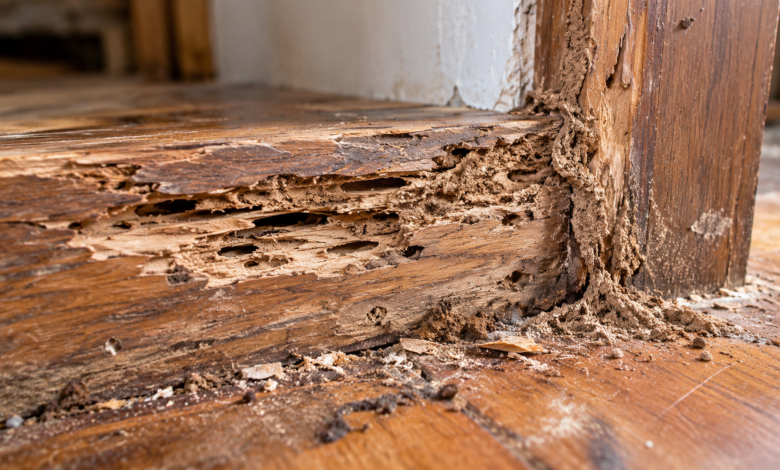
Termites can cause significant damage to wooden structures while remaining hidden behind walls, beneath floors or inside roof timbers. Recognising damage termites cause at an early stage can help homeowners prevent expensive repairs and protect their properties. These insects feed on cellulose, a material found in wood, cardboard and other plant-based products. Their activity can affect floorboards, door frames, skirting boards, wooden beams and furniture.
Termite problems are not equally common across Europe. Risk varies with climate, local termite species, building construction and moisture conditions. Some areas of southern Europe experience established termite activity, while many northern locations face a lower risk. However, location alone cannot confirm whether a property is safe. This guide explains the main warning signs, how termites affect buildings, what to do when an infestation is suspected and how to reduce future risks.
What Damage Do Termites Cause to a House?
Termites damage buildings by consuming cellulose-rich materials, particularly timber. They can hollow out wooden components from the inside, leaving a thin outer surface that may initially appear intact. As an infestation develops, affected materials can lose strength, and repairs may become more extensive.
The severity depends on the termite species, colony size, duration of activity, timber condition and location of the infestation. Not every termite sighting means a building has suffered serious structural damage. However, unexplained timber deterioration should be investigated rather than ignored.
Commonly affected areas include:
-
Floorboards, wooden flooring and floor joists.
-
Roof timbers, beams and wooden supports.
-
Door frames, window frames and skirting boards.
-
Built-in cupboards, furniture and timber panelling.
-
Wooden sheds, garden structures and stored timber.
Understanding the pattern of damage termites leave behind can help distinguish a potential infestation from ordinary wear, damp-related decay or other wood-boring pests.
7 Warning Signs of Termite Damage
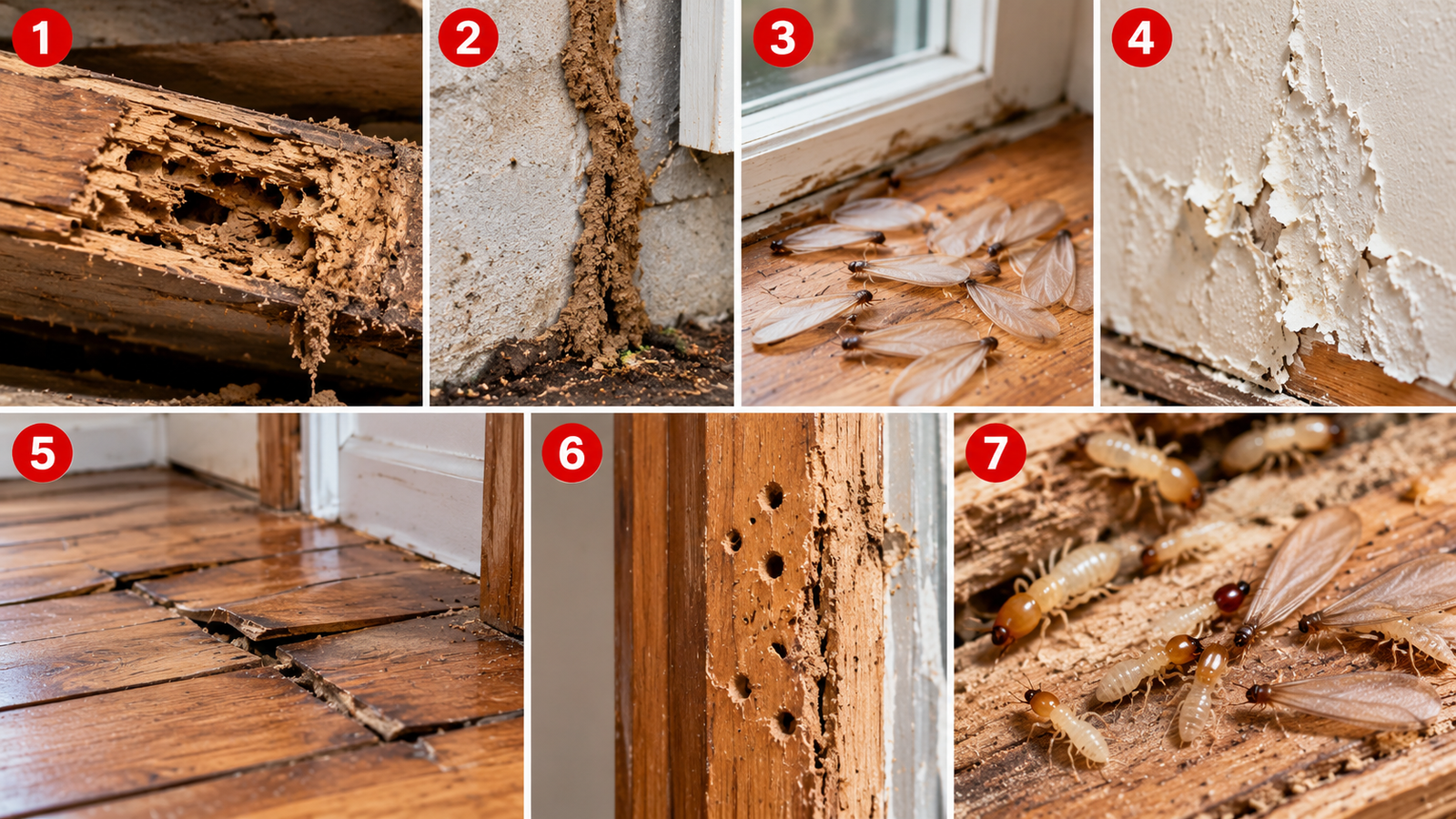
Termites often remain concealed, so homeowners should look for several clues rather than relying on one symptom.
1. Hollow or Weak Wooden Surfaces
Timber may sound hollow when tapped gently because termites have eaten material beneath the surface. Affected wood can also feel unusually soft or crumble when touched.
However, hollow timber is not definitive proof of termites. Rot, previous water damage and other wood-boring insects can produce similar symptoms. Avoid probing important beams or supports aggressively, as weakened timber may already have lost strength.
2. Mud Tubes Along Walls or Foundations
Some subterranean termites build narrow mud tubes to travel between their nests and food sources while maintaining moisture. These tubes may appear along foundations, masonry, service penetrations or sheltered wall surfaces.
A mud tube can be an important warning sign, particularly where it connects soil to timber. Not all termite species construct visible tubes, so their absence does not rule out an infestation.
3. Discarded Wings Near Windows
Reproductive termites may swarm and shed their wings after finding a suitable place to establish a colony. Small piles of similar-looking wings near windows, doors or light sources can indicate nearby termite activity.
Flying ants also shed wings, so identification matters. Compare the insects’ body shape, antennae and wing size, or ask a pest professional to examine a specimen.
4. Blistered Paint or Bubbling Surfaces
Paint that bubbles, wooden panels that appear swollen or flooring that develops unexplained ripples can sometimes indicate concealed termite activity.
Nevertheless, these symptoms frequently result from dampness, leaks or poor ventilation. Check for plumbing problems and moisture intrusion without assuming termites are responsible.
5. Damaged Floorboards and Loose Fittings
Termite-damaged flooring may feel spongy, sag or develop unusual weak spots. Wooden door frames and window fittings can also deteriorate, making doors or windows difficult to operate.
These problems can have other causes, including movement in the building, moisture damage or ordinary ageing. If a floor feels unstable or a supporting timber appears compromised, restrict access and arrange a professional inspection.
6. Small Holes or Damaged Timber Edges
Some affected wooden surfaces develop small openings, galleries or irregular edges. The appearance depends on the termite species and how the colony feeds.
Small holes alone are not conclusive. Powderpost beetles and other wood-boring insects can leave exit holes, sometimes accompanied by fine powder or frass. A specialist can help identify the responsible pest.
7. Visible Termites or Repeated Swarms
Cream-coloured worker termites, darker reproductive termites or winged swarmers may occasionally become visible indoors. Repeated sightings near timber, foundations or structural openings deserve attention.
A single winged insect does not establish that a colony exists inside the building. However, repeated activity combined with damaged timber or mud tubes increases concern about an established infestation.
Why Does Termite Damage Happen?
Termites feed on cellulose, which occurs in wood and many other plant-derived materials. Different species have different nesting habits, feeding preferences and environmental requirements.
Subterranean termites generally maintain contact with soil or another suitable moisture source. Drywood termites can establish colonies in timber without the same direct soil connection, depending on the species.
Several conditions can increase the likelihood of a problem:
-
Timber touching soil or being stored directly against foundations.
-
Persistent leaks around pipes, roofs or exterior walls.
-
Poor drainage and water collecting near the building.
-
Untreated or vulnerable timber in areas with established termite populations.
-
Unnoticed entry points around foundations and service openings.
Moisture deserves attention, but dampness does not automatically mean termites are present. Likewise, dry homes can still experience termite problems from species adapted to relatively dry timber.
Which Parts of a Property Are Most at Risk?
Structural Timber and Roof Spaces
Roof beams, joists and other load-bearing wooden components deserve particular attention because substantial deterioration can affect a building’s stability. Damage may remain hidden behind ceilings, insulation or wall coverings.
If a supporting beam looks hollow, cracked or heavily deteriorated, do not remove surrounding materials without considering the structural risk. Arrange an assessment by an appropriately qualified building professional.
Floors, Doors and Windows
Floorboards, skirting boards, door frames and window frames are easier to inspect than concealed structural members. Even so, visible damage may extend into inaccessible areas.
When damage termites cause affects several wooden components in the same area, a professional inspection can help establish the extent of the problem and whether repairs are necessary.
Garden Buildings and Stored Timber
Wooden sheds, fences, decking and timber stored against walls can provide access to suitable food sources in affected areas. These structures may also make termite activity harder to notice until deterioration becomes obvious.
Keep stored timber away from direct soil contact where practical, maintain suitable drainage and inspect vulnerable wooden structures periodically.
How to Respond to Suspected Termite Damage
The right response depends on the evidence, the building’s condition and the termite species involved.
Step 1: Document the signs. Photograph mud tubes, damaged timber, discarded wings and affected surfaces. Record where and when you noticed them.
Step 2: Check for obvious moisture problems. Look for leaking pipes, blocked gutters, standing water and damp areas. Arrange appropriate repairs without assuming that moisture is the only cause.
Step 3: Avoid disturbing suspected colonies. Do not dismantle structural timber or apply random pesticides inside walls. Disturbance can complicate assessment, and unsuitable chemicals may create health or environmental risks.
Step 4: Contact a qualified pest-control professional. Ask for identification of the suspected pest, an inspection of affected areas and a treatment plan suited to the building.
Step 5: Assess structural safety. If floors sag, beams crumble or supporting timber appears severely weakened, seek advice from a structural engineer or another suitably qualified building professional.
These steps help homeowners respond sensibly without making the problem worse.
How to Prevent Future Termite Problems
Prevention begins with reducing access to vulnerable timber and addressing building conditions that encourage pest activity.
-
Repair plumbing leaks and roof defects promptly.
-
Maintain gutters and drainage around the property.
-
Keep firewood and spare timber away from foundations.
-
Avoid direct soil-to-timber contact where the building design allows.
-
Inspect sheds, decking and accessible wooden components periodically.
-
Seal suitable entry gaps without blocking required ventilation.
-
Seek local advice about termite-resistant materials and protective treatments.
In areas where termites are established, professional inspections may be worthwhile even when no obvious symptoms are present. Historic buildings, timber-framed homes and properties with previous infestations may require particular attention.
For wider household protection, related maintenance topics include damp prevention, wood preservation and garden pest control.
How Much Does Termite Damage Repair Cost?
The cost of repairing termite damage varies considerably between European countries and individual properties. Minor repairs to a door frame or a small section of flooring may be relatively straightforward, while damaged joists, roof timbers or other structural components can require more extensive work.
A complete assessment may involve separate charges for pest identification, treatment, timber replacement and structural repairs. Access difficulties, the extent of concealed damage, labour rates and the need to remove finishes can also influence the final bill.
Request an itemised quotation that separates treatment from building repairs. If structural damage is suspected, confirm that the contractor has assessed the affected components and explained any temporary safety measures.
Do not assume that treating termites automatically restores weakened timber. Pest eradication and structural repair are separate tasks, and both may be necessary.
(FAQs)
What are the first signs of termite damage?
Early signs can include hollow-sounding timber, mud tubes, discarded wings and unexplained deterioration around wooden frames. None is conclusive alone, so professional identification is advisable when several signs appear together.
Can termites destroy a house completely?
Severe, prolonged infestations can substantially weaken vulnerable timber components. However, the extent of damage depends on the species, infestation duration and building construction. A structural assessment is needed to determine the actual risk.
Does termite damage always mean an infestation is active?
No. Older damage can remain after termites have disappeared or been treated. A pest professional can investigate whether activity is ongoing and distinguish historical deterioration from a current infestation.
Can termites damage brick houses?
Yes. Termites do not eat brick or concrete, but they can travel through cracks, joints or concealed openings to reach wooden components within masonry buildings.
Is termite damage common across Europe?
Termite risk varies by region and species. Some areas, particularly parts of southern Europe, have established termite populations, while other areas have a lower risk. Local pest-control advice is the best guide for an individual property.
Should I repair termite damage before treatment?
Usually, the infestation should be properly assessed and any active termites addressed before permanent repairs are completed. Immediate safety measures may be necessary first if structural timber is unstable. Coordinate pest treatment and building repairs with qualified professionals.



One Comment