How to Reseal Windows: A Practical Guide for Homeowners
Windows can develop gaps over time as sealant deteriorates, frames move slightly or weather exposure damages the joints. Learning how to reseal windows helps homeowners identify minor sealing problems, reduce draughts and protect their properties from rainwater. This guide explains how to reseal windows using suitable materials, correct preparation and practical DIY techniques.
How to Reseal Windows: Identify the Problem First
Before learning how to reseal windows, identify which part of the window has failed. Exterior sealant, rubber gaskets and double-glazing seals perform different functions. Understanding how to reseal windows correctly starts with finding the source of the problem rather than covering every visible gap.
Inspect the frame, sill and surrounding wall for cracked sealant, peeling edges, water stains or damaged rubber. If you want to know how to reseal windows to prevent rainwater leaks, remember that water can also enter through damaged flashing, blocked drainage channels or deteriorating masonry.
What You Need Before Starting
To understand how to reseal windows successfully, prepare the correct materials before beginning. You may need exterior-grade window sealant, a caulking gun, a suitable scraper, clean cloths, a compatible cleaner and masking tape.
Choosing the right product is an essential part of how to reseal windows. Check whether the sealant is suitable for uPVC, aluminium, timber, glass and the surrounding masonry. Never assume that every silicone or acrylic product is appropriate for exterior window joints.
How to Reseal Windows Step by Step
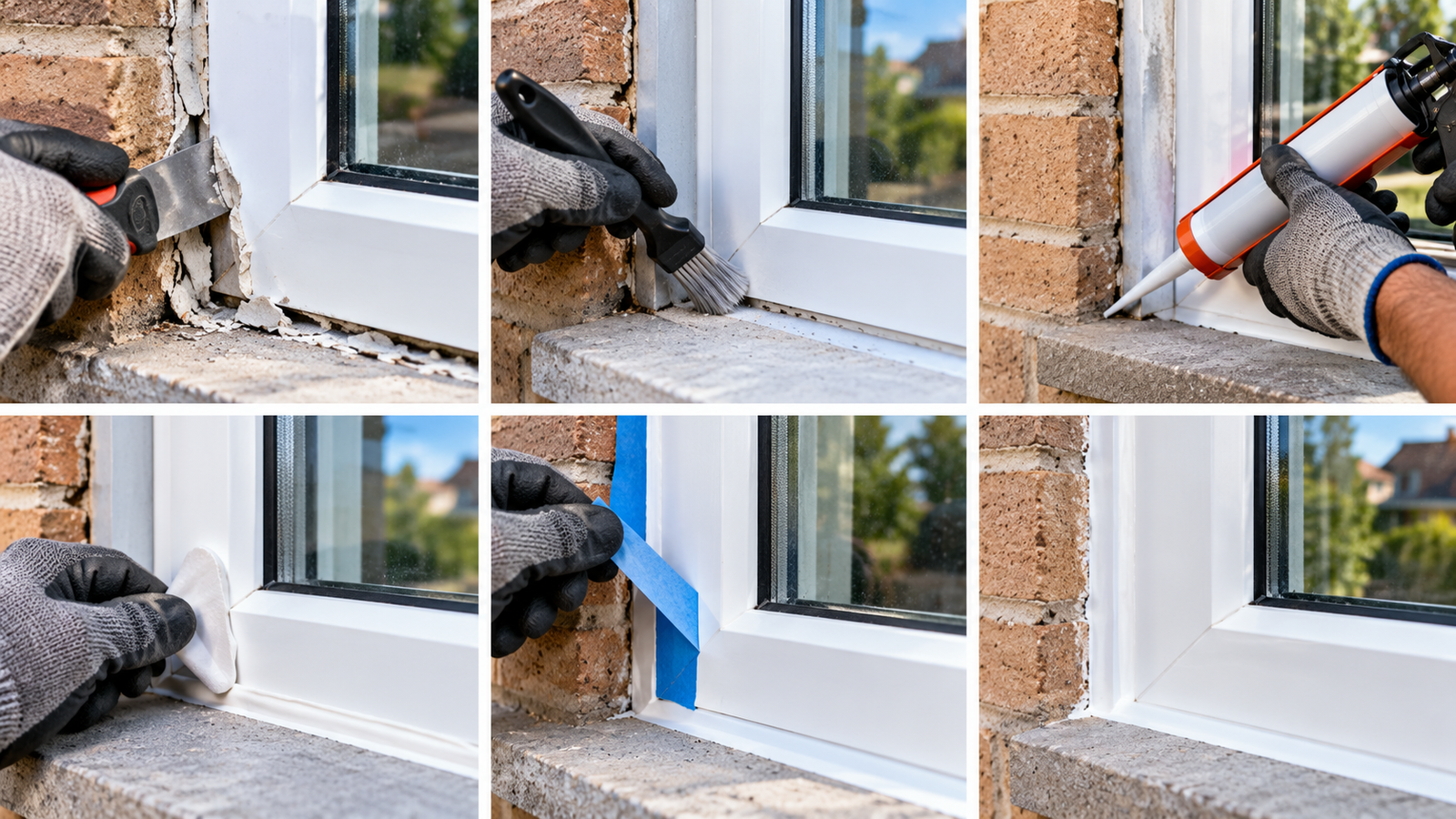
Step 1: Remove the Old Sealant
The first step in how to reseal windows is removing loose or damaged sealant. Carefully use an appropriate scraper to remove failing material without scratching the frame or damaging the glass. Applying new sealant over loose silicone can lead to poor adhesion.
Step 2: Clean and Dry the Surface
Anyone researching how to reseal windows should understand that preparation matters as much as application. Remove dust, grease and debris, then allow the joint to dry according to the new product’s instructions. A contaminated or unsuitable damp surface can prevent reliable bonding.
Step 3: Select a Compatible Sealant
When deciding how to reseal windows, choose a sealant designed for the location and materials involved. Exterior-grade silicone or a suitable hybrid sealant may work for some frame-to-wall joints, while paintable interior trim may require a different product.
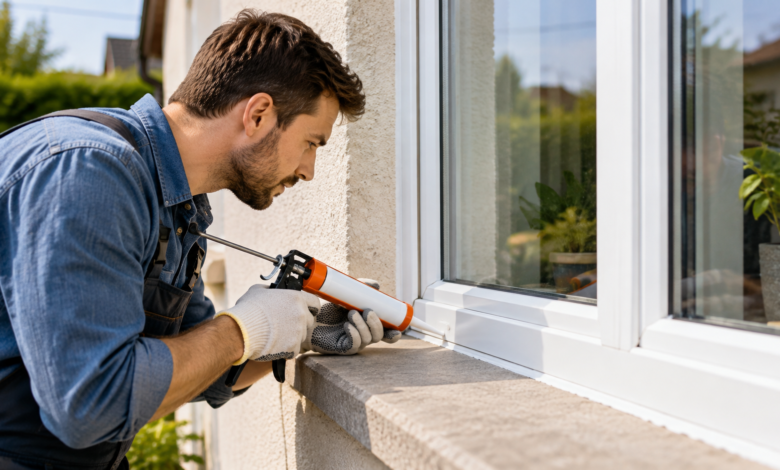
Step 4: Apply the New Sealant
Learning how to reseal windows involves applying a continuous bead that contacts both sides of the prepared joint. Follow the manufacturer’s instructions for nozzle size, application technique and joint dimensions. Keep drainage openings clear to avoid trapping water inside the window assembly.
Step 5: Smooth the Bead
For a neat finish, smooth the sealant using the recommended method. If you are learning how to reseal windows for the first time, masking tape can help create clean edges. Remove it at the appropriate stage specified by the manufacturer.
Step 6: Allow the Sealant to Cure
The final application stage in how to reseal windows is allowing sufficient curing time. Temperature, humidity, joint depth and product formulation all affect curing. Do not expose the repair to rain or disturb it before the instructions permit.
Common Mistakes to Avoid
Understanding how to reseal windows also means knowing what not to do. Avoid applying fresh sealant over failing material, using indoor-only products outside or blocking designed drainage channels.
Another common mistake is assuming how to reseal windows means covering every gap with silicone. Worn gaskets, damaged frames and failed double glazing require different repairs. Identify the underlying cause before choosing a solution.
Can Resealing Windows Improve Energy Efficiency?
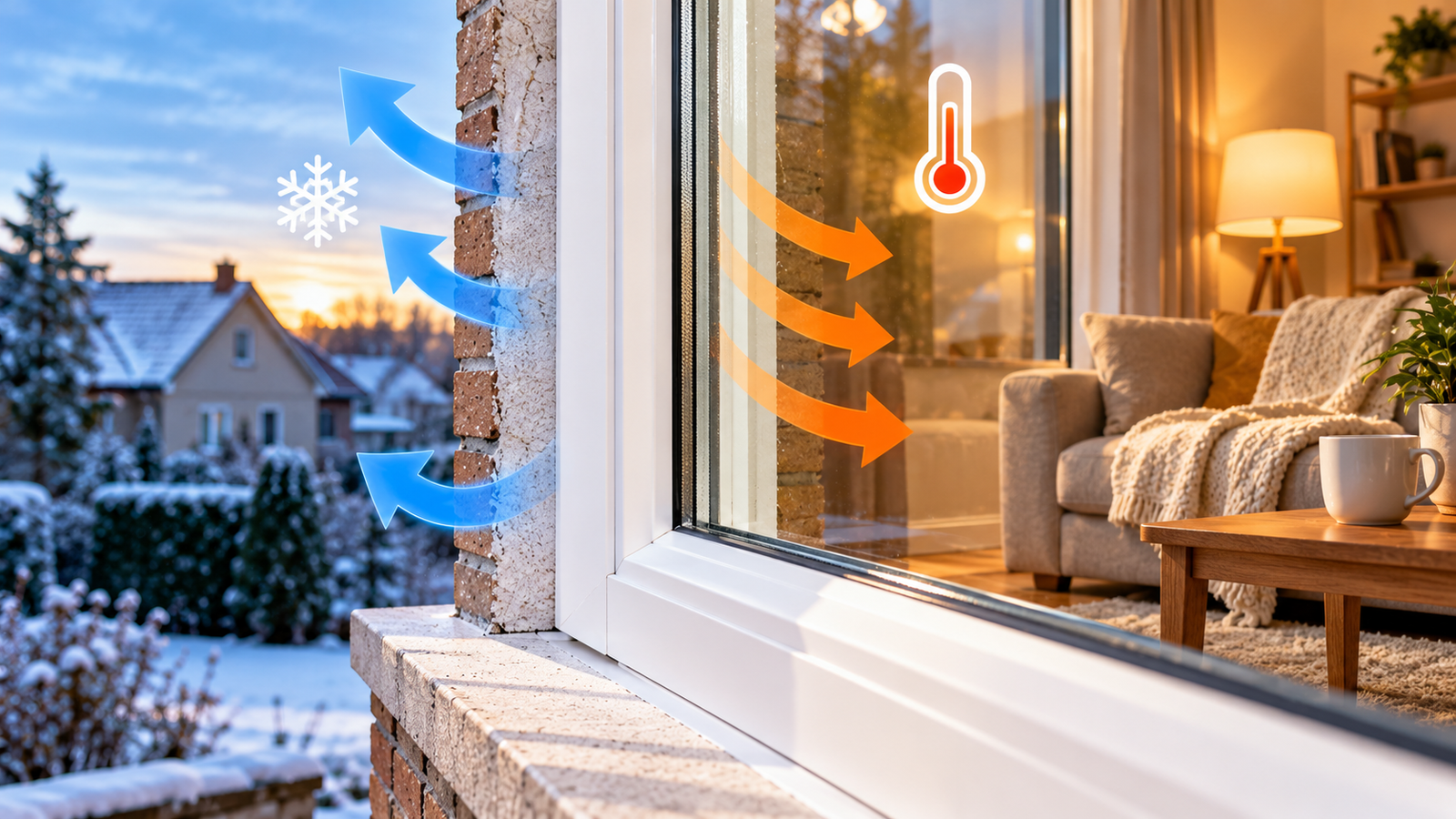
Learning how to reseal windows can help reduce unwanted air leakage when gaps around the frame are responsible for draughts. Better sealing may improve comfort, but it cannot solve every insulation or glazing problem.
When considering how to reseal windows before winter, inspect opening seals and maintain appropriate ventilation. In European homes, adequate ventilation helps manage indoor moisture and pollutants. Keep designed trickle vents and extractor fans unobstructed.
When Should You Call a Professional?
Knowing how to reseal windows is useful for minor repairs, but professional assistance may be necessary if water continues entering, the frame is rotten or the window is loose or distorted.
If you are unsure how to reseal windows around a historic frame, damaged masonry or an inaccessible upper-storey opening, seek appropriate advice. Resealing cannot repair structural deterioration or restore a failed double-glazing unit.
Frequently Asked Questions
How often should you reseal windows?
There is no universal replacement interval. Inspect joints periodically and learn how to reseal windows when the existing material cracks, detaches or stops providing an effective weather seal.
Can I reseal windows without removing old silicone?
Removing failed silicone is usually more reliable because fresh sealant may not bond properly to existing material. Follow the product manufacturer’s instructions for compatible repairs.
What is the best sealant for exterior windows?
The correct sealant depends on the frame, surrounding materials, joint movement and weather exposure. Choose a compatible exterior-grade product.
Will resealing windows stop condensation?
Not always. Draught sealing can improve comfort, but condensation may result from indoor moisture and cold surfaces. Maintain ventilation and investigate persistent condensation between glass panes separately.
Can I reseal windows from the inside?
Suitable interior trim gaps or worn weatherstripping can sometimes be repaired from inside. However, an interior bead does not automatically replace a failed exterior weather seal.
Is it cheaper to reseal windows than replace them?
Resealing a sound window is generally a smaller repair than replacing the complete unit. However, damaged frames or failed glazing may require more extensive work.