Historic Houses: Architecture, History, Maintenance and Modern Living
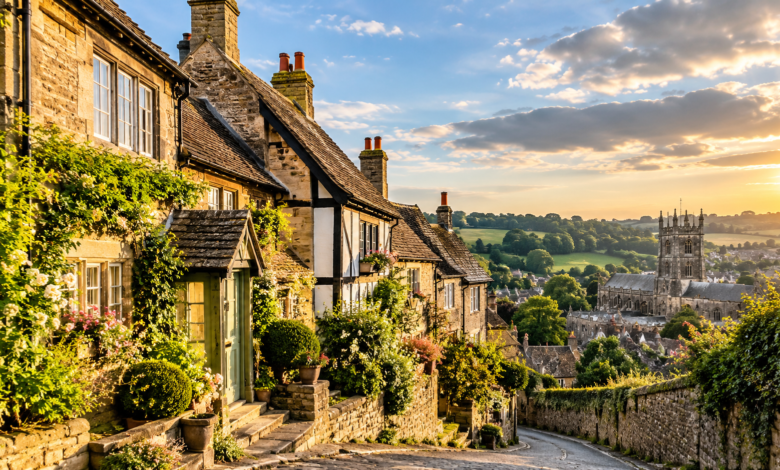
Historic houses offer a connection to the past through their architecture, materials and distinctive character. Across Europe, these properties range from medieval townhouses and Georgian terraces to Victorian family homes, traditional stone cottages and rural farmhouses. Each reflects the building techniques, lifestyles and local materials of its period.
However, owning or maintaining historic houses involves more than preserving attractive features. Older properties may need specialist repairs, careful moisture management, improved insulation and permission for certain alterations. Their original windows, roof structures, fireplaces and decorative details can also require particular attention.
Whether you are considering buying a period property, researching architectural styles or looking after an older home, understanding how the building was constructed is essential. This guide explains the main characteristics of historic houses, their advantages and disadvantages, and practical ways to protect their character while making them comfortable for modern living.
What Are Historic Houses?
Historic houses are residential buildings that have architectural, cultural, social or historical significance. Some are officially protected heritage properties, while others are valued locally because of their age, design or connection to important events and communities.
Not every old house is legally protected, and there is no single age threshold that defines a historic property throughout Europe. Designation systems, conservation rules and eligibility requirements vary between countries and local authorities.
Historic houses may include modest workers’ cottages, traditional village homes, aristocratic residences, urban townhouses and converted agricultural buildings. Their importance can come from original construction methods, surviving interior features, historical associations or their contribution to a traditional streetscape.
The European Union recognises cultural heritage as a broad inheritance that includes historic buildings, monuments, landscapes and other expressions of cultural life. Responsibility for many heritage-protection decisions rests with individual countries and their regional or local authorities.
Popular Architectural Styles Across Europe
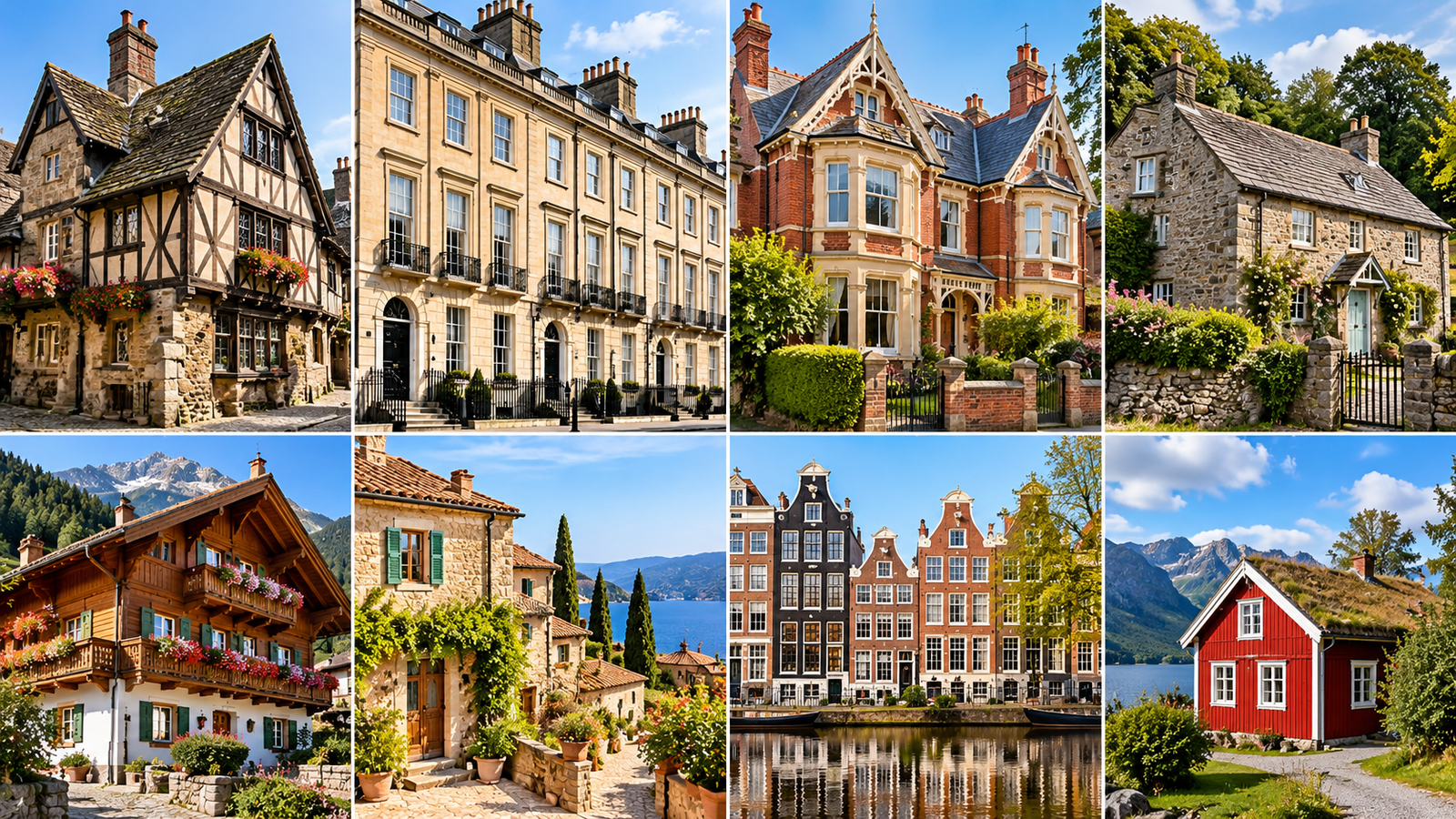
The appearance of historic houses differs considerably according to geography, climate, available materials and architectural fashion.
Medieval and Tudor Properties
Medieval houses may feature thick masonry walls, small window openings, steep roofs and timber framing. In parts of England, surviving Tudor properties are known for exposed timber frames, plaster infill and uneven façades.
These buildings have considerable character, but their age alone does not reveal their structural condition. Later alterations, previous repairs and changes to drainage can all affect how well they perform today.
Georgian and Victorian Homes
Georgian houses are commonly associated with balanced façades, sash windows, decorative mouldings and carefully proportioned rooms. Victorian homes, which developed during the nineteenth century, often feature brickwork, bay windows, patterned tiles, ornamental ironwork and more elaborate interior decoration.
Many historic houses in British cities belong to these periods. Similar nineteenth-century urban residences also appear in other European countries, although their architectural details differ.
Traditional Stone Cottages and Rural Homes
Traditional rural properties reflect local building materials. Stone cottages are common in several European regions, while timber-framed houses, rendered farmhouses and clay-tiled homes appear elsewhere.
In colder areas, roof design and wall construction often reflect local weather conditions. Mediterranean properties may have masonry walls, shutters, tiled roofs and layouts suited to warmer climates.
Recognising these differences helps owners choose appropriate materials when repairs become necessary.
Why Do Historic Houses Remain Popular?
Historic houses appeal to buyers and architecture enthusiasts for several reasons.
Distinctive character: Original fireplaces, timber beams, stonework, decorative plaster and traditional doors can give an older home an individual identity that is difficult to reproduce convincingly.
Architectural interest: Period properties can reveal how building techniques and domestic lifestyles changed over time. Original layouts and surviving features may also contribute to a property’s cultural value.
Established locations: Older homes are sometimes found in historic town centres, established residential neighbourhoods or traditional villages with existing transport links and local amenities. This depends on the specific location rather than the property’s age.
Reuse of existing buildings: Maintaining a serviceable older home can preserve existing building materials and avoid some of the material demand associated with demolition and replacement. The environmental outcome depends on the condition of the building, the work required and how efficiently it can be used.
Nevertheless, historic houses are not automatically better investments or more sustainable homes. Purchase price, maintenance needs, heating performance and local demand all influence their long-term suitability.
What to Check Before Buying a Historic Property
Buying a period home requires more investigation than simply looking at attractive architectural features. A property’s condition, legal status and repair history can significantly affect the overall cost of ownership.
Arrange an Appropriate Building Survey
Before purchasing, commission a survey from a suitably qualified professional who understands traditional construction. Depending on the property, further investigations by structural engineers, conservation specialists or timber and damp professionals may be appropriate.
Pay particular attention to:
- Roof and gutters: Look for slipped tiles, damaged flashing, blocked gutters and signs of water penetration.
- Walls and foundations: Investigate significant cracks, bulging masonry, deteriorating mortar and evidence of movement.
- Damp and ventilation: Check for persistent moisture, condensation, mould and poor airflow.
- Windows and doors: Examine timber decay, damaged frames, draughts and previous replacement work.
- Heating and services: Establish the condition of electrical installations, plumbing, boilers and drainage.
- Previous alterations: Ask for records of renovations, permissions, warranties and significant repairs.
A visual inspection cannot confirm every hidden defect. Specialist investigations may be necessary before committing to expensive work.
Check Heritage Status and Permissions
Some historic houses are formally listed or protected under local heritage legislation. In England, alterations affecting the special architectural or historic interest of a listed building may require listed building consent. Planning permission or building regulations approval may also be relevant, depending on the proposed work.
Other European countries use different systems, so consult the relevant local authority before making assumptions about permitted changes.
Ask whether restrictions apply to windows, extensions, roof coverings, internal features, gardens or outbuildings. Include potential professional fees and consent-related requirements in your purchasing budget.
How to Maintain Historic Houses
Regular maintenance helps identify defects before they develop into expensive repairs. A simple inspection schedule is often more useful than waiting until something visibly fails.
Start With the Roof and Rainwater System
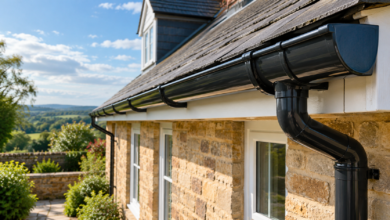
Check accessible roof areas, gutters, downpipes and external drainage for obvious damage or blockages. Arrange professional inspections where roofs are difficult to access. Never climb onto a fragile roof or use an unsafe ladder to investigate a suspected problem.
Water entering through defective roofs or rainwater systems can damage ceilings, timber and internal finishes. Repairing the source of the leak should come before repainting or replacing damaged surfaces.
Use Materials Suitable for Traditional Construction
Older buildings may have been built with solid masonry, lime mortar, timber framing or other materials that behave differently from modern construction systems.
For example, traditional solid walls can rely on the movement and evaporation of moisture through suitable materials. Applying an incompatible, impermeable coating or mortar can sometimes trap moisture and contribute to deterioration.
The correct repair depends on the building’s construction and condition. Historic England recommends understanding traditional materials and the underlying causes of decay before selecting repair methods.
Manage Damp and Condensation
Damp can result from roof leaks, defective pipes, damaged pointing, poor drainage, condensation or a combination of factors. Dark patches alone do not identify the cause.
Look for patterns such as mould around cold window frames, peeling finishes, persistent musty smells or staining below a leak. Improve suitable ventilation, maintain functioning extraction fans and investigate plumbing or external water-entry problems.
Avoid treating every damp wall with the same chemical product or waterproof coating. If moisture persists or the cause is unclear, seek an independent assessment from a professional experienced in traditional buildings.
For additional advice, see our planned internal guide to [damp and mould prevention].
Improving Energy Efficiency Without Losing Character
Historic houses can sometimes be made more comfortable and efficient, but improvements need to suit the original construction.
Begin with relatively low-impact measures. Repair defective windows, seal appropriate draughts, maintain heating controls, insulate accessible hot-water pipes and check that ventilation remains adequate.
Insulation requires more careful assessment. Roof insulation, floor insulation and wall improvements can affect moisture movement, ventilation and the appearance of historic features. Internal or external wall insulation may therefore be unsuitable without a detailed assessment of the particular building.
Original windows should not automatically be replaced simply because they are old. Repairing frames, improving seals and using suitable secondary glazing may help retain their character while improving comfort.
For heating upgrades, assess the whole property rather than choosing equipment based on general recommendations alone. The best approach depends on heat loss, available space, existing radiators, electrical capacity and the building’s moisture characteristics.
Country-specific energy grants, planning requirements and building standards should be checked with official authorities because eligibility and regulations change.
What Are the Challenges of Owning Historic Houses?
Historic properties can offer attractive living spaces, but they also come with practical disadvantages.
Higher maintenance demands: Traditional materials and specialist craftsmanship may be more expensive or harder to source than standard modern alternatives.
Unexpected repair costs: Hidden timber decay, defective drainage, outdated services or structural problems may only become apparent during renovation.
Restrictions on alterations: Protected buildings can require specialist advice and formal approval before particular changes are made.
Energy performance: Some older homes have significant heat loss, draughts or uneven indoor temperatures. Improvements must balance energy efficiency with moisture control and heritage preservation.
Insurance considerations: Insurers may ask about the building’s construction, listed status, occupancy and repair condition. Specialist cover may be appropriate for some properties.
Before buying, compare the full ownership cost with your available budget. The purchase price is only one part of the financial commitment; planned maintenance, professional fees and a contingency for unexpected repairs also matter.
Conclusion
Historic houses preserve architectural traditions while continuing to serve modern households. Their long-term condition depends on understanding traditional materials, identifying defects early and making improvements that suit the original construction.
For prospective buyers, careful surveys and checks on legal restrictions can reduce the risk of unexpected costs. For existing owners, regular maintenance, appropriate repairs and carefully planned energy upgrades can help protect both comfort and architectural character.
The most effective approach is to treat an older property as a building with its own history and technical requirements rather than applying standard modern renovation methods without assessment.
Frequently Asked Questions
What makes a house historic?
A house may be considered historic because of its architectural style, age, cultural importance, association with significant people or events, or contribution to a historic area. Formal heritage protection depends on the applicable country’s designation system.
Are historic houses expensive to maintain?
They can be, particularly when roofs, structural elements, traditional windows or specialist finishes require repair. However, costs vary considerably according to condition, location, construction and maintenance history.
Can you modernise historic houses?
Yes, many older properties can accommodate modern kitchens, bathrooms, heating systems and improved insulation. The suitable approach depends on the building’s construction, heritage status and local regulations. Some changes require formal consent.
How can I make a historic house more energy-efficient?
Start by addressing leaks and appropriate draughts, maintaining heating controls and improving suitable insulation. Assess ventilation and moisture risks before insulating walls or changing windows, and consult a specialist when the building’s construction makes the consequences uncertain.
Do all historic houses have legal protection?
No. A house can have historical or architectural interest without being formally designated. Protection varies by country and locality, so check official heritage registers and local planning requirements before undertaking alterations.
Is buying a historic house a good investment?
It depends on the purchase price, location, condition, future maintenance costs and local property market. Historical character alone does not guarantee appreciation or rental demand. A suitable building survey and realistic financial assessment can help you judge the risks.