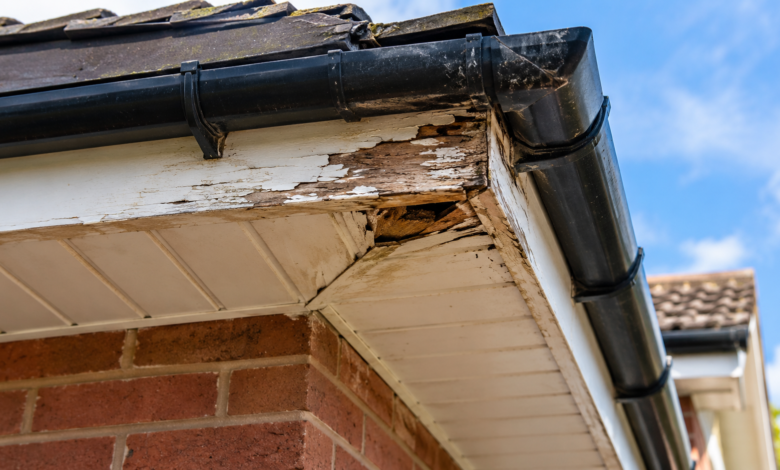
Soffit Repair: Signs, Costs and When to Replace
Soffit repair is often necessary when the boards beneath a roof overhang become cracked, loose, rotten or damaged by moisture. Although these areas are easy to overlook, they help protect the roof structure, discourage pests from entering the roof space and, where designed for ventilation, support airflow through the loft.
For homeowners in the UK and elsewhere in Europe, the correct repair depends on the material, extent of damage, condition of the adjoining fascia and source of any water ingress. A small area of cosmetic damage may be repairable, whereas widespread decay or sagging boards can indicate a more serious problem. Understanding the warning signs, repair options and likely costs can help you decide whether maintenance is sufficient or a roofing professional should inspect the roofline.
What Is a Soffit and Why Does It Matter?
A soffit is the underside of the roof overhang, usually positioned between the outside wall and the fascia board. The fascia runs along the roof edge and commonly supports the guttering. Although the two components work together, they perform different functions.
Soffits cover exposed roof edges, help prevent weather and animals from entering vulnerable areas, and may incorporate ventilation openings. The exact design depends on the building and roof construction.
A damaged soffit can expose timber and adjoining materials to rainwater, allow birds or insects to enter and interfere with intended roof ventilation. However, not every soffit contains ventilation openings, and adding vents without understanding the roof’s ventilation requirements is not always appropriate.
Signs Your Soffits Need Repair
Identifying deterioration early can help prevent a relatively minor roofline issue from developing into a larger repair.
Cracks, holes and loose panels
Cracked boards, missing sections and gaps around joints can allow moisture or pests to enter the roof space. Loose panels may also indicate failed fixings, damaged supporting timber or movement caused by weather.
Peeling paint and rotten timber
Timber soffits require suitable exterior protection. When paint begins peeling repeatedly, water may be reaching the wood. Soft, crumbling or discoloured timber can indicate decay, particularly where guttering leaks or water collects around joints.
Paint alone will not solve established rot. The damaged material and its moisture source need to be assessed before a lasting repair is attempted.
Damp patches, mould or condensation
Water staining around the eaves, mould in the loft or persistent condensation can indicate inadequate ventilation, a roof leak or another moisture problem. These symptoms do not automatically prove that the soffit is responsible.
A useful inspection should consider the gutters, roof covering, flashing, ventilation openings and adjoining timber rather than treating the visible board in isolation.
Sagging boards and damaged guttering
If a soffit or fascia is bowing, separating from the building or moving under the weight of the gutter, the supporting structure may be compromised. This requires professional assessment, particularly when gutters are pulling away or roof timbers appear damaged.
Common Causes of Soffit Damage
Several problems can contribute to roofline deterioration:
- Leaking or overflowing gutters: Water can repeatedly soak timber and enter joints behind the fascia.
- Poor exterior maintenance: Damaged paint or unprotected timber can absorb moisture.
- Age and weather exposure: Temperature changes, rain, frost and sunlight can gradually weaken materials.
- Blocked or unsuitable ventilation: Restricted airflow can contribute to moisture accumulation in roof spaces.
- Pests and birds: Animals may enlarge existing gaps or damage vulnerable panels.
- Incorrect installation: Poorly secured boards, unsuitable fixings or badly finished joints can lead to premature failure.
Before arranging soffit repair, establish what caused the damage. Replacing a rotten section without correcting a leaking gutter, for example, may simply result in the same problem returning.
How to Choose the Right Repair
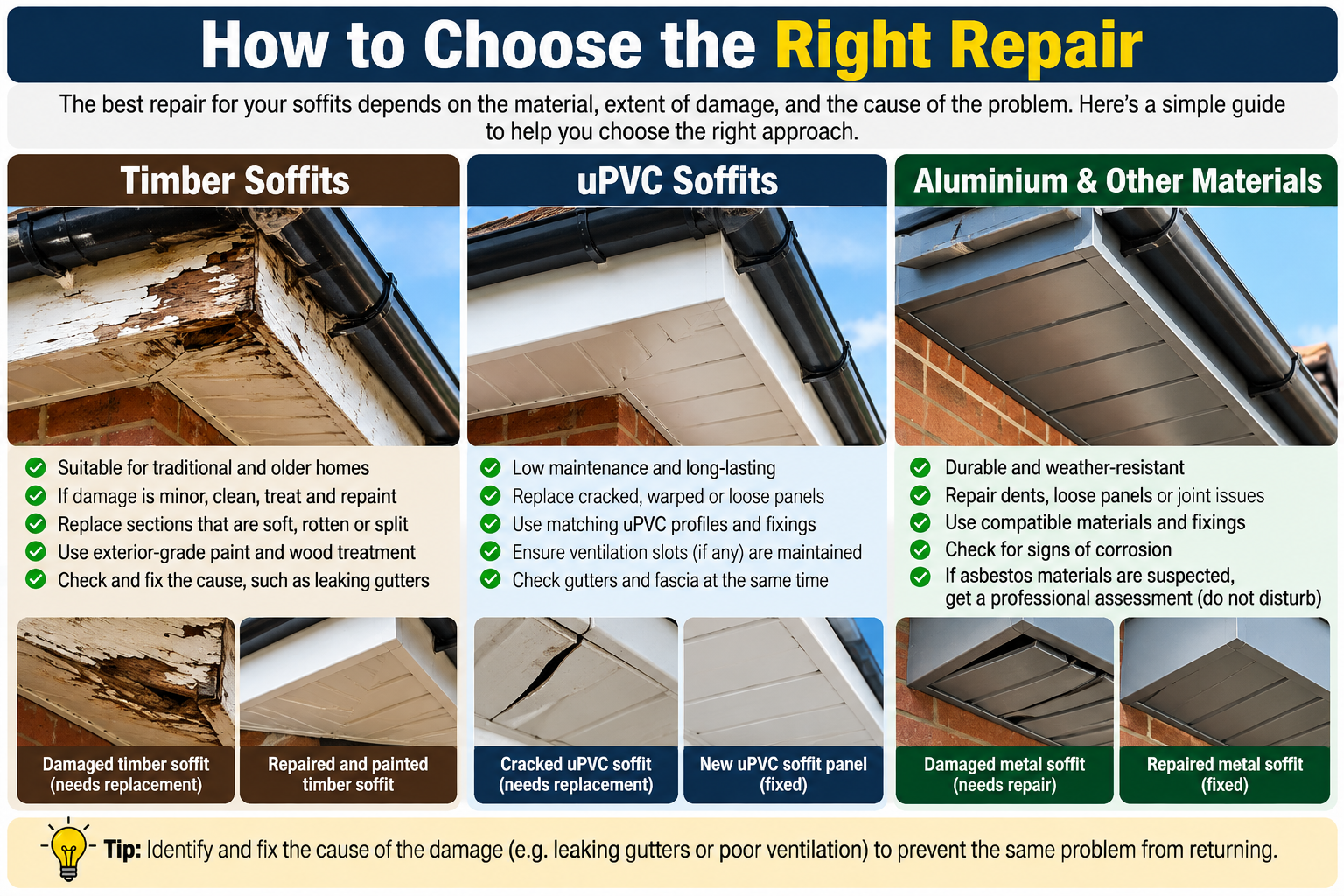
The appropriate method depends on the material, location and extent of deterioration.
Timber soffits
If the damage is superficial and the timber remains sound, preparation and repainting with a suitable exterior coating may be sufficient. Small, localised defects can sometimes be repaired using compatible materials.
Timber that is soft, deeply rotten, split through its thickness or no longer securely fixed usually requires replacement. A contractor should also inspect the supporting ends of the roof timbers where deterioration has spread.
uPVC soffits
uPVC boards generally require less routine maintenance than painted timber, but they can crack, warp, become brittle or pull away from their fixings.
A damaged panel may be replaceable without renewing the entire roofline if the surrounding boards and supporting structure remain sound. Replacement panels must suit the existing profile, fixing arrangement and ventilation design.
Aluminium and other materials
Metal soffits may be dented, corroded or separated at joints, depending on their finish and installation. Repairs should use compatible components to avoid creating new problems.
Older buildings may contain unfamiliar or potentially hazardous materials. If asbestos-containing boards are suspected, do not drill, sand, cut or break them. Arrange an assessment by a suitably qualified asbestos professional before disturbing the material.
Can You Repair Soffits Yourself?
Minor maintenance may be manageable for someone with the right skills, but roofline work presents a significant working-at-height risk. A repair that appears simple from the ground can become dangerous when access equipment, gutters or roof edges are involved.
For low-risk maintenance, you can inspect the roofline from ground level using binoculars and record visible cracks, staining, loose panels or overflowing gutters. Keep the inspection visual rather than attempting to reach damaged boards.
For any work requiring access to the roof edge, use an appropriately qualified contractor with suitable access equipment. Do not lean from windows, climb onto an unsupported ladder to remove boards or work in windy, wet or icy conditions.
A professional should handle widespread rot, sagging sections, damaged roof timbers, recurring leaks and work involving suspected asbestos. The contractor should also check whether the roof covering or guttering needs attention.
How Much Does Soffit Repair Cost in the UK?
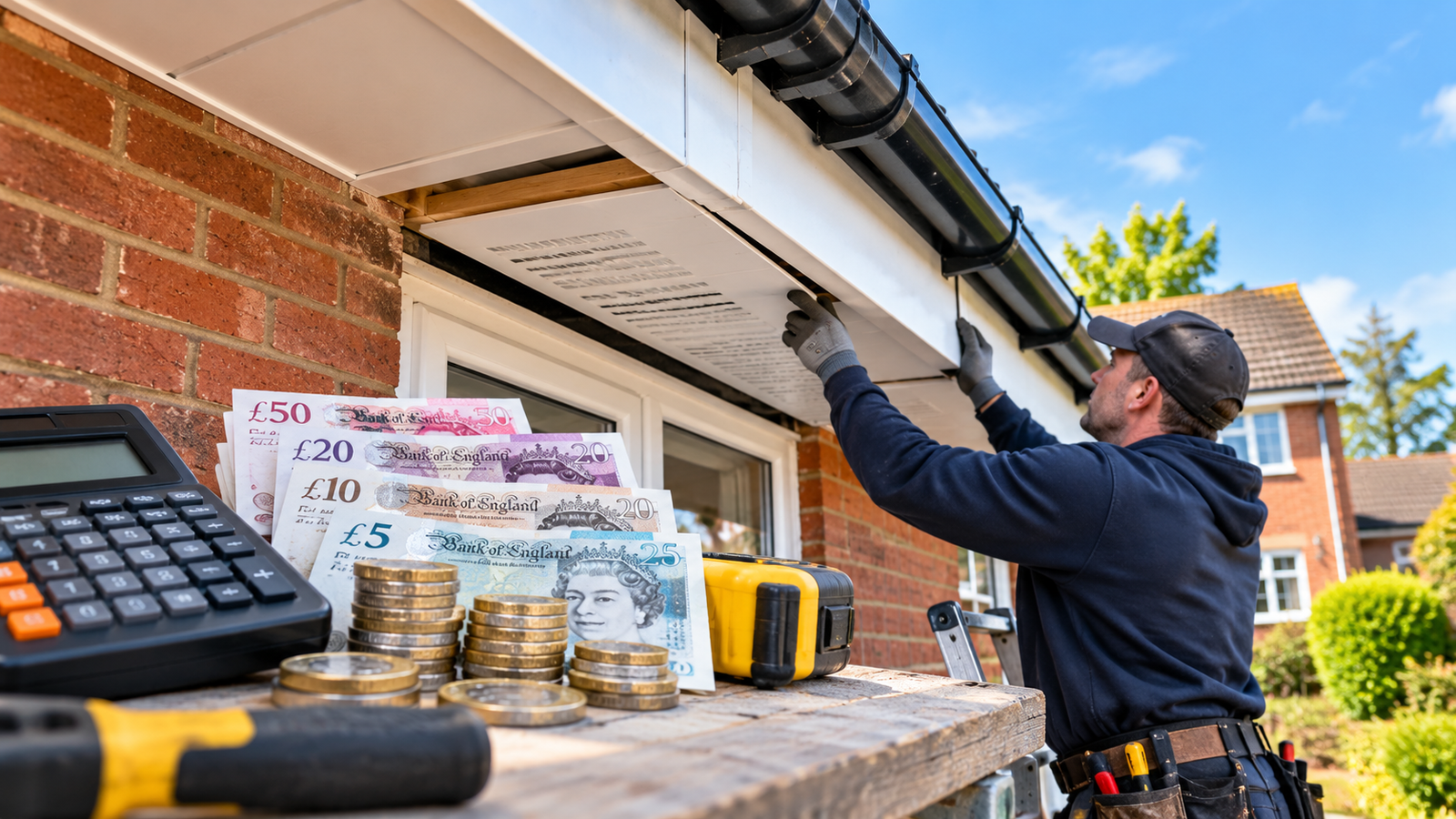
The cost depends on the damaged area, material, labour, property height and access requirements. A small local repair is generally less involved than replacing long sections of soffit and fascia together.
UK cost guides published in 2026 report typical fitted prices of approximately £115–£185 per linear metre for combined fascia and soffit replacement. This is a replacement benchmark, not a quote for a minor soffit repair, and scaffolding or other access costs may be additional. Actual prices vary by contractor and location. Checkatrade cost guide.
The main factors affecting your quote include:
- Extent of damage: A single replaceable panel differs considerably from extensive roofline deterioration.
- Material choice: Timber, uPVC and aluminium have different material and finishing requirements.
- Access: Multi-storey homes, conservatories and awkward rooflines may require specialist access equipment.
- Hidden damage: Rotten rafter ends or damaged supporting timber can increase the scope of work.
- Related repairs: Gutter replacement, roof repairs and waste disposal may add to the total.
Ask for an itemised quote that identifies the repair area, materials, labour, access equipment, waste removal and any provisional allowance for hidden damage. Obtain comparable quotes before committing to a substantial project.
How to Prevent Future Soffit Damage
Regular roofline checks can help identify problems before extensive deterioration develops.
Inspect visible soffits, fascia boards and gutters during routine seasonal home maintenance, especially after severe weather. In autumn, check for blocked gutters and arrange cleaning where needed. In spring, look for cracks, loose panels and signs of winter water damage.
Keep gutters and downpipes clear so rainwater can drain properly. Repair leaks promptly, maintain painted timber with suitable exterior coatings and ensure ventilation openings remain unobstructed where the roof design requires them.
If condensation or damp keeps returning, investigate the underlying moisture source rather than relying on surface treatments. Advice about roof ventilation, insulation and moisture control may be relevant, particularly in older European properties where construction methods vary.
Homeowners should also retain records of repairs and inspections. For rented properties, report loose boards, leaks or visible deterioration to the landlord or property manager rather than undertaking roofline repairs without permission.
When Should You Repair or Replace the Soffit?
Repair is generally more appropriate when the damage is limited, the surrounding boards are sound and the cause can be corrected. Replacement becomes more sensible when deterioration is widespread, timber is extensively rotten, panels are badly warped or repeated repairs have failed.
The decision should account for the condition of the underlying structure, not just the appearance of the outer surface. Covering rotten boards with new cladding may conceal the problem without resolving it.
A roofing professional can assess whether individual sections can be replaced or whether renewing the soffit and fascia together offers a more reliable solution. The aim is to restore weather protection and any required ventilation without creating new moisture problems.
Conclusion
Soffit repair is most effective when it addresses both the visible damage and its underlying cause. Regular roofline inspections, functioning gutters, appropriate ventilation and timely maintenance can help protect the roof structure. Where boards are sagging, extensively rotten or difficult to access safely, seek a professional assessment rather than attempting a risky DIY fix.
Frequently Asked Questions
What is the main purpose of soffit repair?
Soffit repair restores damaged boards beneath the roof overhang, helping protect the roof edge from moisture and pests. It can also restore intended ventilation where soffit vents form part of the roof design.
Can damaged soffits cause damp in the loft?
Yes, damaged soffits can contribute to moisture entering the roof space or interfere with ventilation. However, roof leaks, condensation and other building defects can cause similar symptoms, so the underlying source should be identified.
Is it better to repair or replace rotten soffit boards?
Small areas of damage may be repairable if the surrounding material remains sound. Extensive rot, structural deterioration or recurring failures usually justify replacing the affected sections after the moisture source has been corrected.
How long does a soffit repair take?
A small, accessible repair may take considerably less time than replacing several sections of roofline. Property height, material availability, scaffolding and hidden damage influence the schedule, so ask the contractor for an estimate specific to your property.
Do soffit repairs include fascia and guttering?
Not necessarily. The work may involve only the soffit, but fascia boards and gutters should be inspected because leaks or failed fixings can cause related damage. Ask the contractor to identify which components require work and price them separately.
Can I paint damaged soffits instead of replacing them?
Painting may improve the appearance and protection of sound timber with superficial coating damage. It will not restore rotten, cracked-through or structurally weakened boards. Investigate moisture problems and replace unsound material where necessary before applying a finish.