
Al-Kântara: Meaning, History, Origins & Cultural Significance
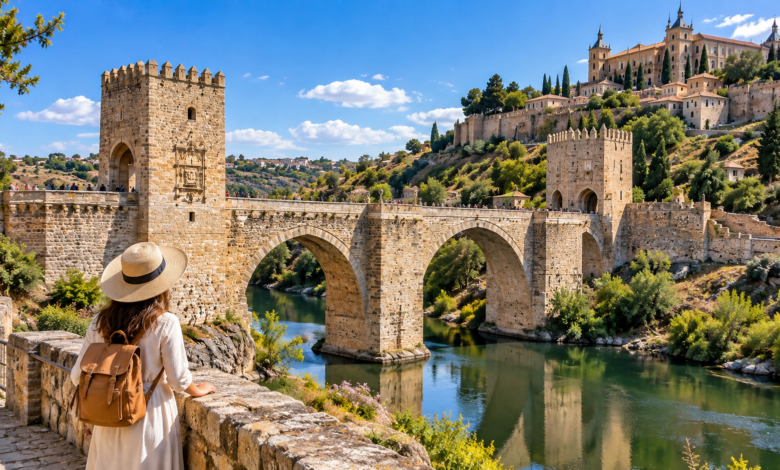
Al-kântara is a historical Arabic term closely connected with the idea of a bridge, arch, or elevated crossing. The word comes from Arabic al-qanṭara (القنطرة), a term used historically for a constructed bridge or arched structure that allows people, animals, or water to pass beneath it. Over time, the word entered place names across regions influenced by Arabic and Islamic culture, particularly in the Mediterranean and the Iberian Peninsula.
Understanding al-kântara therefore requires more than translating a single word. Its meaning reflects the movement of language, architecture, trade, religion, and political influence across different societies. The term can refer to a physical structure, a place name, or a historical linguistic connection. Its cultural significance is especially visible in medieval architecture and historic geography.
What Does Al-Kântara Mean?
al-kântara generally refers to a bridge, arch, or raised structure that provides a crossing over something such as a river, valley, or road.
The Arabic word is commonly written as al-qanṭara or al-qantara. The initial al- is the Arabic definite article, meaning “the,” while qanṭara refers to a bridge or arched crossing.
The exact spelling varies when the word is transferred between Arabic, Latin, Spanish, French, Portuguese, and other languages. That is why forms such as Alcántara, Alcantara, Al-Qantara, and al-kântara can appear in historical or modern contexts.
The term is particularly interesting because it demonstrates how a geographical feature can become a lasting linguistic marker. A settlement associated with a bridge could acquire a name derived from the structure itself, preserving evidence of an area’s historical connections long after the original construction changed or disappeared.
The Origins of Al-Kântara
The linguistic history of al-kântara is connected to Arabic qanṭara. The Arabic term itself has a complex historical background, and scholars have discussed possible connections with older Near Eastern and Mediterranean vocabulary.
In medieval Arabic-speaking societies, qanṭara referred to substantial bridges and arched structures. Bridges were especially important in cities and settlements situated along major rivers or important routes because they connected commercial, agricultural, military, and residential areas.
The word later became especially common in the Iberian Peninsula during centuries of Muslim rule. Arabic place names survived in many parts of Spain and Portugal even after political control changed. Some were preserved by adapting them into Romance languages.
One of the clearest examples is Alcántara in western Spain. The name is derived from Arabic and is associated with the bridge spanning the Tagus River. This demonstrates how al-kântara is not simply a vocabulary term; it can also preserve a historical relationship between language and landscape.
Al-Kântara in Islamic and Medieval Architecture
Bridges held practical and strategic importance throughout the medieval Mediterranean world. A major crossing could determine how easily people, goods, armies, and animals moved through a region.
In Islamic architectural traditions, bridges could combine structural engineering with monumental design. Stone arches were particularly effective because they could support substantial loads while allowing water to pass through the openings beneath them.
The architectural idea represented by al-kântara therefore has several dimensions:
- Transportation: Bridges connected roads and settlements.
- Trade: Crossings helped merchants move goods between markets.
- Military movement: Strategic bridges could control important routes.
- Urban development: Settlements often grew around important crossings.
- Architecture: Large arches became significant examples of engineering.
- Cultural exchange: Bridge-building traditions moved across linguistic and political boundaries.
This explains why the term appears in historical place names rather than remaining only an ordinary architectural word.
Al-Kântara and the Iberian Peninsula
The Iberian Peninsula provides one of the strongest examples of the cultural legacy associated with al-kântara.
During Islamic rule in parts of the peninsula, Arabic became an important language of administration, scholarship, commerce, and everyday life. Thousands of Arabic-derived words and place names subsequently entered Iberian languages.
Alcántara, in Extremadura, Spain, is particularly significant. It is located near the Portuguese border and is known for its historic Roman bridge over the Tagus River. The name itself reflects Arabic linguistic influence, even though the famous bridge predates the Islamic period.
This distinction is important. The Arabic-derived name does not necessarily mean Muslims originally built the structure. In this case, the Roman bridge existed centuries before Islam arrived in Iberia, while the later Arabic name became associated with the location.
That makes Alcántara a useful example of how places can accumulate several historical layers: Roman engineering, Islamic-era linguistic influence, medieval Christian history, and modern Spanish identity.
For more insights, you can read our previous article here: Best Beaches in Mexico 2026
Why Is Al-Kântara Culturally Significant?
The cultural importance of al-kântara comes partly from what a bridge represents beyond its physical function.
A bridge connects two sides that would otherwise remain separated. Historically, bridges enabled interaction between communities, facilitated commerce, and supported the movement of ideas and people.
The word also illustrates cultural transmission. Arabic vocabulary entered numerous languages through centuries of contact in the Middle East, North Africa, the Iberian Peninsula, Sicily, and other parts of the Mediterranean.
The legacy remains visible in geographical names today. A traveler encountering a place whose name derives from qanṭara may be looking at a linguistic trace of a much larger historical story involving different civilizations.
Al-Kântara vs. Alcántara: Are They the Same?
The forms are closely related, but you should not automatically treat them as identical in every context.
Al-qanṭara is the Arabic form, while Alcántara is a Spanish place name derived from Arabic. al-kântara is another transliterated form you may encounter in writing.
These spelling differences arise from transliteration systems and how Arabic sounds were adapted into other languages.
Form Context General meaning
al-qanṭara Arabic Bridge or arched crossing
al-qantara Simplified Latin transliteration Bridge or arch
al-kântara Alternative transliteration Arabic-derived form
Alcántara Spanish Place name derived from Arabic
Pronunciation and exact historical meaning can therefore depend on the language and context in which the term is used.
Where Can Travelers Encounter the Legacy of Al-Kântara?
For travelers interested in the historical meaning of al-kântara, Spain offers particularly useful examples.
Alcántara, Spain
Alcántara is a historic town in Extremadura near the Portuguese border. Its most famous landmark is the ancient Roman bridge over the Tagus.
The Romans built the bridge, and it remains one of the area’s most important examples of ancient engineering. The surrounding landscape and historic town make the location relevant to travelers interested in Roman history, medieval Iberia, architecture, and cultural heritage.
Historic Islamic Spain
You can also explore the wider legacy of Arabic terminology throughout Andalusia and other parts of Spain. Cities such as Córdoba, Granada, Seville, and Toledo contain numerous examples of Arabic influence in architecture, vocabulary, place names, and historical geography.
However, not every place with an Arabic-derived name has the same historical story. Travelers should distinguish between a name’s linguistic origin and the origin of the structure or settlement itself.
How Did the Word Spread?
The spread of al-kântara can be understood through centuries of contact between Arabic-speaking societies and neighboring cultures.
Several mechanisms helped Arabic vocabulary travel:
- Trade routes connected Mediterranean communities.
- Political rule introduced Arabic terminology into administration and geography.
- Architecture created shared technical vocabulary.
- Place names preserved words after political boundaries changed.
- Translation and scholarship carried Arabic terminology into other languages.
This process was not unique to the word qanṭara. Many modern European languages contain words or place names with Arabic origins, reflecting the long history of interaction between Arabic-speaking and European societies.
What Does Al-Kântara Represent Today?
Today, al-kântara can be understood as both a linguistic and cultural reference. At its simplest, it points toward the concept of a bridge or arch. Historically, however, the word can reveal connections between geography, architecture, language, and cultural exchange.
For travelers, this makes Arabic-derived place names particularly valuable clues. A name can sometimes reveal who lived in a region, which languages were spoken there, or how different historical periods shaped the landscape.
The most important caution is that a place name should not be treated as proof of the origin of every monument found there. Historical sites often contain several layers from different civilizations.
Conclusion
al-kântara is more than a word for a bridge. Its history illustrates how language can preserve traces of architecture, geography, migration, trade, and cultural contact across centuries. From the Arabic qanṭara to place names such as Alcántara, the term demonstrates how historical vocabulary can remain embedded in modern landscapes. For travelers interested in cultural heritage, understanding al-kântara offers a useful way to look beyond individual monuments and recognize the overlapping Roman, Islamic, medieval, and modern histories that shaped places around the Mediterranean and Iberian Peninsula.
(FAQs)
What does al-kântara mean?
al-kântara is an Arabic-derived term associated with a bridge, arch, or elevated crossing. The Arabic form is commonly transliterated as al-qanṭara or al-qantara.
Is al-kântara an Arabic word?
Yes. The term is associated with the Arabic word qanṭara (قنطرة), meaning a bridge or arched crossing. Different transliteration systems can produce spelling variations.
What is Alcántara in Spain known for?
Alcántara is a historic town in Extremadura, Spain, known particularly for its ancient Roman bridge over the Tagus River and its broader historical heritage.
Is the Alcántara bridge an Islamic bridge?
No. The famous Roman bridge at Alcántara predates Islam by several centuries. Its later Arabic-derived place name reflects the region’s linguistic history rather than the bridge’s original construction date.
Why is al-kântara important in history?
The term matters because it connects language, architecture, and geography. Arabic-derived forms of the word survived in place names, particularly in areas that experienced long periods of contact with Arabic-speaking societies.
Can travelers explore al-kântara-related heritage today?
Yes. Travelers can explore places such as Alcántara in Spain and investigate the wider Arabic linguistic and architectural heritage of the Iberian Peninsula. Interpret historical sites according to their individual construction dates and cultural contexts.
Final Thoughts
al-kântara is more than a word associated with a bridge or crossing. Its history reflects the lasting influence of Arabic language and culture across the Mediterranean and Iberian Peninsula. From the Arabic qanṭara to the place name Alcántara in Spain, the term connects language, architecture, geography, and centuries of cultural exchange. Understanding its origins also helps travelers see historic destinations as layered places shaped by different civilizations, not a single period of history.





2 Comments