
15 Best Things to Do in Montenegro in 2026: Beaches, Mountains, Old Towns & Day Trips
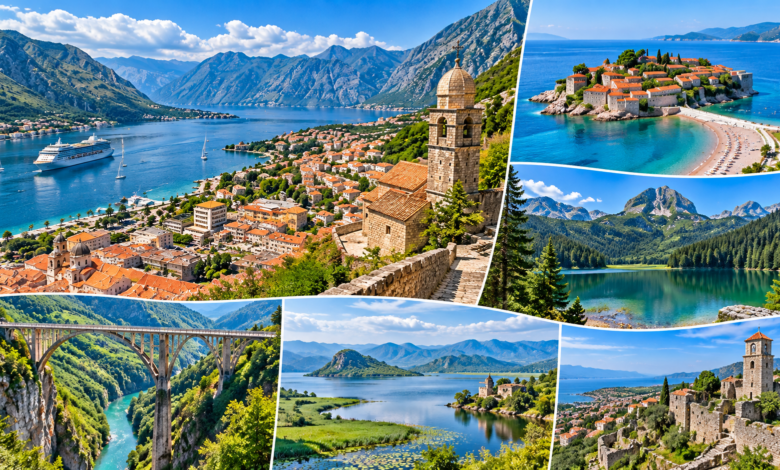
Montenegro packs an unusual amount of variety into a small country. Along the Adriatic coast, you can wander through medieval stone towns, swim in pebbled beaches and take boat trips across the Bay of Kotor. Inland, the landscape quickly shifts into limestone mountains, glacial lakes, deep river canyons, and protected forests. For travellers researching things to do in Montenegro, that contrast is the main attraction.
This guide focuses on 15 experiences that combine Montenegro’s best-known landmarks with outdoor adventures and worthwhile day trips. You’ll find Kotor and Perast, Budva and its coast, Lake Skadar, Lovćen, Durmitor, Tara Canyon, Ostrog Monastery and several less-obvious stops. Practical advice on seasons, transport and itinerary planning is included so you can decide which experiences actually fit your trip.
15 Best Things to Do in Montenegro
1. Explore Kotor Old Town
Kotor is the natural starting point for many visitors. Its compact Old Town sits at the head of the Bay of Kotor and forms part of the UNESCO-listed Natural and Cultural-Historical Region of Kotor. The area contains medieval streets, churches, palaces and defensive walls rising dramatically above the town. (UNESCO World Heritage Centre)
One of the best things to do in Montenegro is simply walking Kotor without a strict schedule. Explore the squares, visit St. Tryphon Cathedral and, if conditions and fitness allow, climb toward the fortress for views across the bay.
Allow at least half a day for the Old Town; a full day gives you more time for the walls and surrounding sights.
2. Take a Boat Trip Around the Bay of Kotor
The Bay of Kotor deserves time beyond the city itself. Boat excursions can connect several coastal sights and provide a different perspective on the mountains surrounding the water.
The Blue Cave on the Luštica Peninsula is one popular boat-trip destination, known for the blue light reflected inside the cave. The official tourism board also highlights shellfish farms around Herceg Novi and Risan, where visitors can experience local mussels and oysters. (Montenegro)
For travellers interested in coastal things to do in Montenegro, this is a good alternative to spending every day on a beach.
3. Visit Perast and Our Lady of the Rocks
Perast is a small historic settlement about 12 km from Kotor. Its waterfront is lined with stone buildings, churches and former palaces, creating a very different atmosphere from busier coastal resorts. (Montenegro)
Boat trips from Perast can take visitors to Our Lady of the Rocks, an artificial island with a church and museum. Check local boat operating arrangements before travelling because services can be seasonal.
Perast works especially well as a half-day addition to a Kotor itinerary.
4. Walk Through Budva Old Town
Budva combines a historic walled centre with beaches and a lively modern resort atmosphere. The Old Town has more than 2,500 years of recorded history and contains medieval walls, narrow streets, churches and the Citadel. (Budva Travel)
It is one of the easiest things to do in Montenegro for travellers who want history without leaving the coast.
After exploring the Old Town, continue toward the surrounding beaches or waterfront. Summer can be particularly busy, so travellers who prefer quieter sightseeing may find spring or early autumn more comfortable.
5. See Sveti Stefan From the Coast
Sveti Stefan is one of Montenegro’s most recognisable coastal scenes: a historic fortified island connected to the mainland by a narrow causeway. Rather than assuming that every part of the island is freely accessible, treat it primarily as a viewpoint and coastal landscape unless current access arrangements confirm otherwise.
The surrounding Budva Riviera also provides opportunities for swimming, coastal walks and photography. This makes the area useful even when your itinerary does not include staying at the resort.
For more insights, you can read our previous article here: Best Way Inn.
6. Visit Lovćen National Park and Njegoš Mausoleum
Lovćen combines mountain scenery with an important part of Montenegro’s cultural history. You can reach the national park from the Kotor or Cetinje side, and the nearby former royal capital of Cetinje adds museums and historic buildings to the trip. (Montenegro)
At the summit area, the Njegoš Mausoleum sits high above the surrounding landscape. The official tourism information notes that visitors reach the mausoleum by climbing 461 steps. (Montenegro)
This is among the most rewarding things to do in Montenegro for travellers who want scenery and heritage in the same excursion.
7. Spend Time on Lake Skadar
Lake Skadar National Park offers a completely different landscape from the Adriatic coast. It is known for wetlands, birdlife, historic settlements, waterways and traditional rural scenery.
Boat trips, kayaking, hiking, cycling and birdwatching are among the activities highlighted by Montenegro’s tourism authority. The lake’s area also changes seasonally, with the official tourism source listing approximately 370 km² in summer and 540 km² in winter. (Montenegro)
Virpazar is a practical base for many lake excursions, while the Crnojević River area offers another scenic option.
8. Hike or Sightsee in Durmitor National Park
Durmitor is where Montenegro’s alpine side takes centre stage. The UNESCO-listed national park contains high peaks, glacial lakes, forests and major river canyons. Bobotov Kuk reaches about 2,523 meters, according to Montenegro’s official tourism information. (UNESCO World Heritage Centre)
One of the easiest introductions is Black Lake near Žabljak. More experienced hikers can explore the wider marked trail network.
Durmitor is essential for travellers whose idea of things to do in Montenegro includes mountains rather than only coastal sightseeing.
9. See Tara Canyon and Đurđevića Tara Bridge
Tara Canyon is one of Montenegro’s signature natural attractions. The canyon reaches a reported depth of 1,333 meters, and the region is closely associated with rafting, hiking, kayaking and the dramatic Đurđevića Tara Bridge. (Montenegro)
Rafting is generally seasonal, with Montenegro’s tourism authority describing the main rafting season as April to October. Spring can bring stronger rapids because of snowmelt. (Montenegro)
If you do not want to raft, the bridge and surrounding viewpoints still make a worthwhile northern Montenegro excursion.
10. Visit Ostrog Monastery
Ostrog Monastery is built into a steep rock face and is one of Montenegro’s most important religious sites. The upper monastery contains cave churches associated with Saint Basil of Ostrog and stands at roughly 900 meters above sea level. (Montenegro)
Visitors should dress respectfully because this remains an active religious site rather than simply a tourist attraction.
Ostrog fits well into a central Montenegro road trip, especially between Podgorica and northern destinations.
11. Explore Biogradska Gora National Park
Biogradska Gora is ideal if you want forests and lakes rather than dramatic exposed mountain peaks. The park protects an ancient forest reserve in the Bjelasica mountain region and includes Lake Biograd, several glacial lakes and hiking routes. (Montenegro)
A walk around Lake Biograd is a relatively accessible introduction, while longer trails suit travellers with more time and suitable equipment.
For nature-focused activities in Montenegro, this park offers a quieter alternative to the better-known Durmitor area.
12. Relax on the Beaches Around Ulcinj
Ulcinj gives Montenegro a different coastal character, with a stronger southern Adriatic and multicultural influence. Its Old Town sits above the sea, while the wider municipality includes long sandy beaches.
Velika Plaža is particularly notable for its extensive sandy shoreline. Nearby Ada Bojana sits where the Bojana River meets the Adriatic and is known for its distinctive beach-and-river setting. (Montenegro)
This part of the country is especially useful for travellers who want beach time rather than predominantly rocky bays.
13. Wander Through Old Bar
Old Bar is an atmospheric historic settlement inland from modern Bar. Its ruins include defensive structures, churches, palaces, aqueducts, and other remains from different periods of the city’s history. (Montenegro)
Combine Old Bar with the coastal city of Bar and the famous Old Olive Tree area for a fuller day.
It is one of the more interesting things to do in Montenegro for visitors who enjoy archaeology and historic ruins more than polished resort centres.
14. Explore Herceg Novi
Herceg Novi sits near the entrance to the Bay of Kotor and is known for its old town, fortifications, stairways and Mediterranean vegetation. Its position also makes it a good starting point for boat excursions to the Luštica Peninsula and Blue Cave.
Because the town is built on slopes, expect plenty of steps. Montenegro’s tourism board specifically emphasises the city’s numerous stairways and historic character. (Montenegro)
Herceg Novi can work as either a base or a day trip from other parts of the bay.
15. Go Underground at Lipa Cave
Near Cetinje, Lipa Cave provides an option for travellers who want something beyond beaches and mountain viewpoints. Montenegro’s tourism authority identifies Lipa Cave as the country’s cave open to organised tourist visits, while other caves require specialist arrangements and permissions. (Montenegro)
Because cave tours operate differently from independent hiking, check current tour times before going.
This is a particularly useful addition to a Lovćen-Cetinje day because the destinations are geographically close.
How to Get Around Montenegro
Montenegro has two international airports: Podgorica Airport and Tivat Airport. Tivat is particularly convenient for the Bay of Kotor and much of the coast, while Podgorica is useful for the capital, central Montenegro and several northern or southern routes. (Montenegro)
Buses connect major towns and are practical for travellers who do not want to drive. Montenegro’s tourism authority also describes the country’s main roads as generally well maintained, although mountain routes require more attention than coastal highways. (Montenegro)
A rental car is particularly useful if your itinerary combines Kotor, Lovćen, Durmitor, Lake Skadar and smaller villages. For a short coastal trip, buses and organised excursions can reduce the need for a car.
Best Time to Visit Montenegro
The best time depends on what you want to do. Montenegro’s official tourism guidance identifies May through October as a broadly favourable period. July and August are the busiest coastal months, while spring and autumn can offer a better balance for sightseeing and road trips. (Montenegro)
For beaches, summer is the obvious choice. For hiking and sightseeing, late spring and early autumn can be more comfortable. Winter is more appropriate if your priority is snow and mountain activities rather than a classic Adriatic holiday.
How Many Days Do You Need in Montenegro?
Five days can cover Kotor, Perast, Budva and another coastal excursion. Seven to 10 days gives you enough time to combine the coast with Lovćen, Lake Skadar or Ostrog.
For a broader experience, allow around 10 to 14 days and include northern Montenegro. Trying to combine Kotor, Ulcinj and Durmitor in only a few days can turn the trip into a sequence of long drives rather than a relaxed holiday.
Travel Tips for Montenegro
A few practical choices can make things to do in Montenegro easier to organise:
- Keep flexible time for mountain weather, especially around Durmitor and Lovćen.
- Allow extra time for road journeys; map distances can underestimate travel time on winding mountain roads.
- Carry some cash even though cards are widely accepted. The official currency is the euro. (Montenegro)
- Check attraction, park and boat schedules before setting out, particularly outside the peak summer period.
- For religious sites such as Ostrog Monastery, dress and behave respectfully.
- If driving, avoid planning too many major stops in one day.
- Check Montenegro’s official entry information for your nationality before departure because visa requirements vary by country. (Montenegro)Conclusion
- The best things to do in Montenegro depend on whether you want a coastal escape, mountain adventure or a combination of both. Kotor, Perast, and Budva offer an easy introduction to the Adriatic, while Lovćen, Lake Skadar, and Ostrog add culture and scenery. Farther north, Durmitor, Tara Canyon and Biogradska Gora reveal a very different side of the country. For most travellers, the smartest approach is to combine several regions rather than staying in one resort for the entire trip.
Frequently Asked Questions
What are the best things to do in Montenegro for first-time visitors?
For a first visit, focus on Kotor, Perast, Budva, a Bay of Kotor boat trip and either Lovćen or Lake Skadar. Add Durmitor if you have enough time to travel north.
Is Montenegro good for a beach holiday?
Yes. The Adriatic coast offers beaches ranging from small pebbled coves around the Bay of Kotor and Budva to longer sandy beaches near Ulcinj. Summer is the main beach season.
How many days are enough for Montenegro?
Five to seven days works for a focused coastal trip. Around 10 days or more is better if you want to combine the coast with Montenegro’s mountains and national parks.
Are there good things to do in Montenegro without a car?
Yes. Buses connect major destinations, and organised excursions can cover attractions such as Kotor, Perast, Budva and some national park areas. A car becomes more useful for remote mountain locations and flexible road trips. (Montenegro)
What is Montenegro best known for?
Montenegro is particularly known for the Bay of Kotor, Adriatic beaches, medieval coastal towns, Durmitor National Park, Tara Canyon, Lake Skadar and its mountainous landscapes.
When is the best time to visit Montenegro?
Montenegro’s tourism authority recommends May through October. Summer favours beaches, while May, June, September and October can be more suitable for sightseeing and outdoor exploration. (Montenegro)


One Comment